Diehard horse racing fans keep the sport alive in Iraq
Автор: AP Archive
Загружено: 2015-07-30
Просмотров: 24422
Описание:
(6 Dec 2010)
Baghdad's Abu Ghuraib district
Baghdad, 18 Nov. 2010
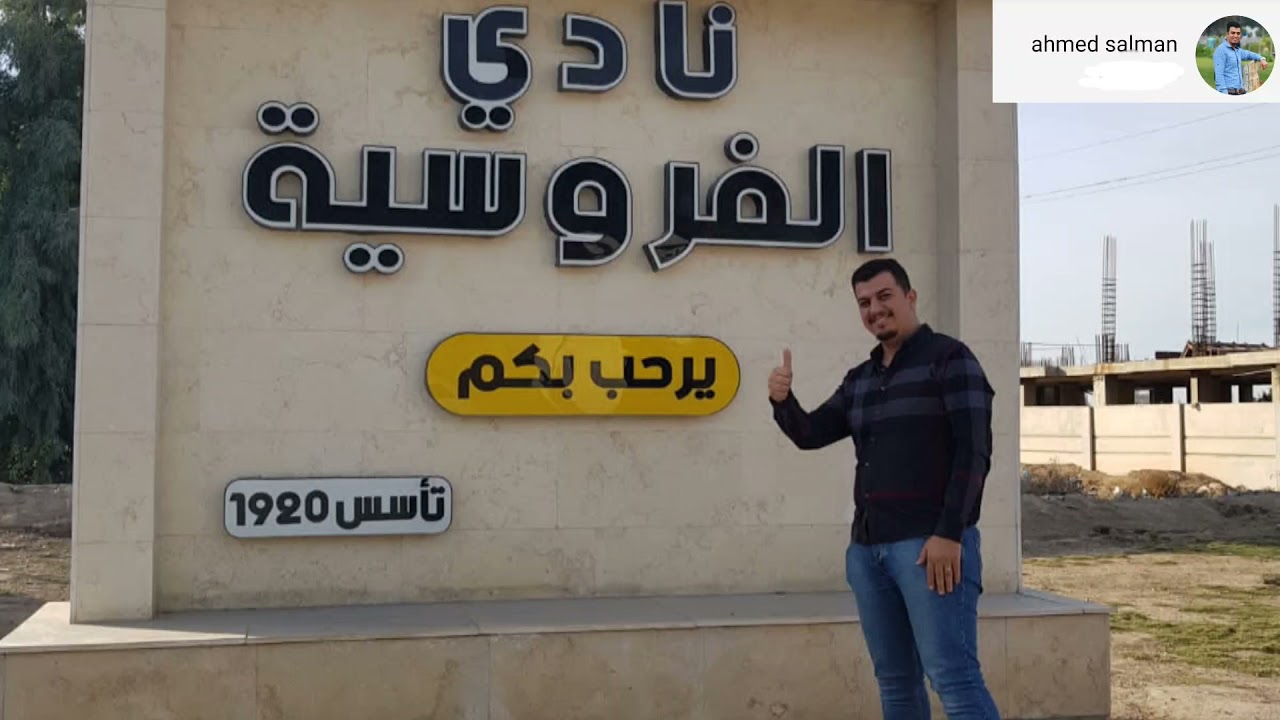
1.Wide exterior of Equestrian Club
2.Various horses and jockeys preparing for races
3.Various of race
4.Horse with jockey in the yellow shirt wins
5. Winning horse being led into paddock
6. SOUNDBITE (Arabic) Mohammed Mashrif, Jockey
''I have been riding since I was a little boy. I followed in the footsteps of my father. I took part in races and the first race I won was the Mansour club race".
7. Wide of horses
8. Jockeys walking in a line and stopping
9.Wide shot race goers
10. Jockeys on horse back leaving
11. Set up for Deputy Chairman of the Club
12. SOUNDBITE (Arabic) Deputy chairman of the club Mohammed Naji:
'' The club was exposed to destruction, plunder, bombardment and havoc after the occupation of Iraq in 2003. All documents and facilities of the club were set on fire and destroyed.''
13. Horses at stable
14. Close horse in stable
15. Veterinary Mohammed Mahmoud examining horse
16. Horse drinking water
17. Veterinary Mohammed Mahmoud examining horse eyes
18. Walking shot Mahmoud
19. SOUNDBITE (English) Veterinary Mohammed Mahmoud
''Every horse is inspected daily and checked for every disease before racing each day. Our race is on Saturday and Thursday every week.''
20. Various of horses feeding
21. guiding horses
22. Wide of horses' paddock
LEADIN
A race track in Baghdad is one of the few areas in Iraq that is free from religion and sectarian politics.
The country's once-thriving horse race industry, one of the best in the Middle East, continues to attract diehard fans despite a 20-year ban on international racing and a war that drove many breeders into exile and left many horses dead.
STORYLINE
The remains of Iraq's horse racing legacy. Nevertheless, a group of horse lovers and gamblers meets twice a week at the track in western Baghdad to bet on and cheer their favourites.
Fans gather every Tuesday and Saturday, betting on a five-race card featuring purebred Arabians and Anglo-Arabian horses.
They compete on a dirt oval at distances of up to 2,400 meters (1 1/2 miles) for prize money that can reach $2,200. The exception is the 2,400-meter (1 1/2-mile) Baghdad Derby, which has a purse of $4,000 and caps the track's eight-month racing season.
Women do not attend the races and the crowd is packed with men, many of whom are betting even though both Shiite and Sunni sects of Islam strictly forbid it.
The Baghdad Equestrian Club, as the track and stables are called, was established in the Mansour area in the 1920s. Saddam Hussein's sons were racing fans, and Iraq's deposed president liked posing for photos on horseback.
Then he ordered the invasion of Kuwait in 1990. More than a decade of international sanctions followed as horse racing was among the Iraqi sports that was kicked out of international organizations and banned from world competitions.
In another blow, Saddam ordered an end to gambling at the track in the mid-90s, after Iraqi women complained their husbands were wasting family savings wagering on horses.
The betting ban _ and the building of a giant mosque in Mansour that forced the track's relocation to its current site _ also was part of Saddam's efforts to earn favours with the Sunni clergy and conservative tribal leaders at a time when he was deeply unpopular due to the country's repeated wars and international sanctions.
The antigambling measures were part of a wider campaign by the dictator to curb Iraq's secular lifestyle and Western attitudes, including the free flow of alcohol.
Find out more about AP Archive: http://www.aparchive.com/HowWeWork
Twitter: / ap_archive
Facebook: / aparchives
Instagram: / apnews
You can license this story through AP Archive: http://www.aparchive.com/metadata/you...
Повторяем попытку...

Доступные форматы для скачивания:
Скачать видео
-
Информация по загрузке: