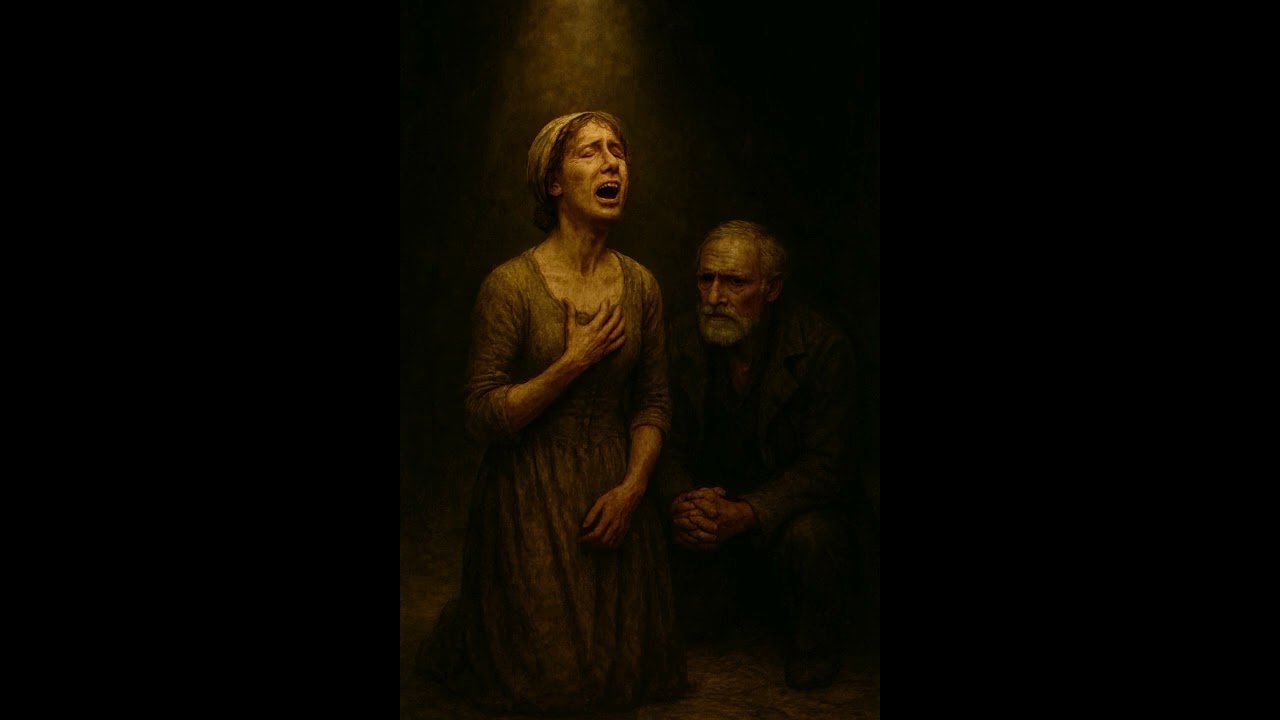
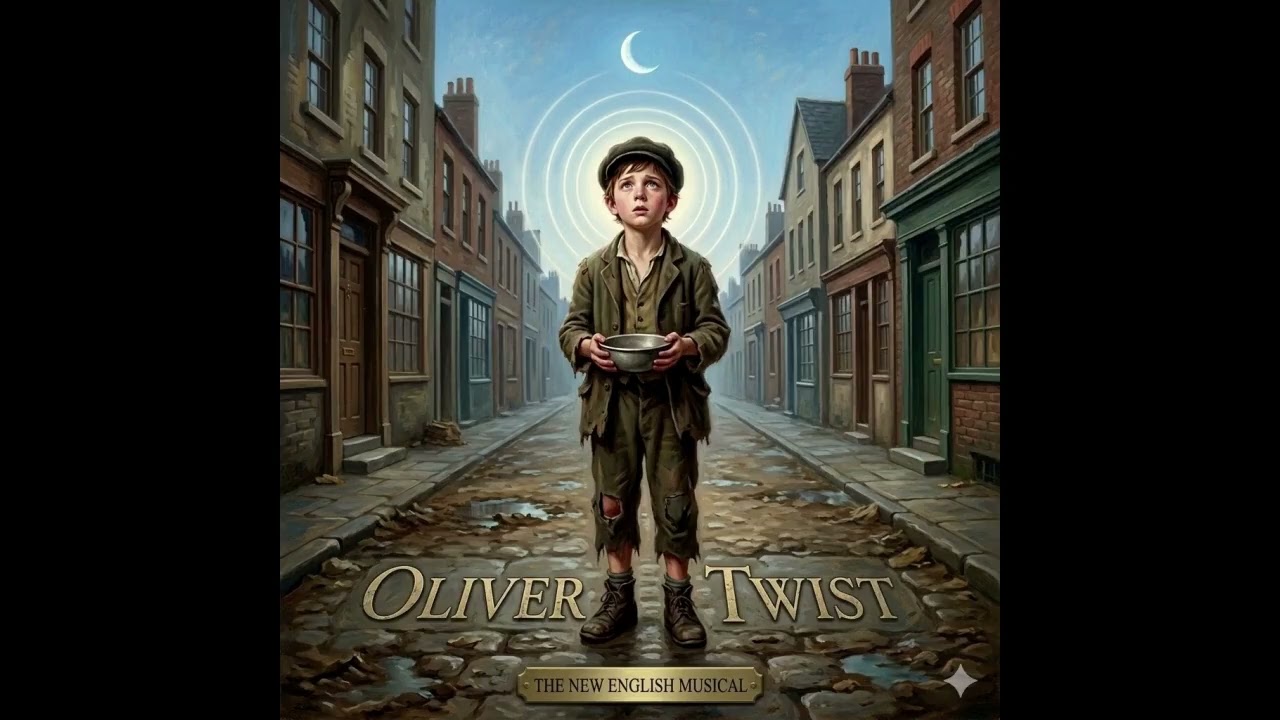
DAY 1 ACT I – MOVEMENT II “The Bowl and the Silence” Music by Benjamin Britten Sinfonia da Requiem
Автор: East Meet West
Загружено: 2026-03-05
Просмотров: 3
Описание:
Act I Song 2, The Bowl and the Silence, is the first moment in Over Twist where the audience truly hears the Workhouse breathe. If Song 1 establishes the ritual and the machinery of the world, Song 2 reveals the emotional physics that govern it: hunger, obedience, fear, and the quiet, impossible courage that begins to form inside Oliver. This song must deepen the musical grammar introduced earlier, expanding the roles of Britten and Vaughan Williams while sharpening the symbolic identities of the characters.
The Story Arc
The song takes place during the morning meal, where the Boys receive their thin bowls of gruel. The ritual is precise, almost sacred in its cruelty. The Masters oversee the distribution with mechanical authority, ensuring that no child receives more than the prescribed measure. The Boys sit in rows, silent, waiting for permission to lift their spoons. The Narrator describes the scene with a detached, almost documentary tone, as if observing a species in captivity. Oliver, still barely a voice in the musical, begins to sense the injustice of the ritual. His hunger is not only physical; it is moral, emotional, existential. The silence becomes unbearable, and the song builds toward the moment where he will eventually ask for more.
The Musical Characters
The Machine dominates the opening, represented by low strings and cold rhythmic pulses inspired by Britten’s Lacrymosa. The percussion is sparse but heavy, like the sound of a distant industrial heartbeat. The Masters enter with clipped baritone lines, rhythmically rigid, almost spoken rather than sung. Their voices are intentionally devoid of warmth, shaped by the same mechanical logic that governs the Workhouse.
The Boys sing in narrow, breathy unison, their voices intentionally flattened to remove individuality. Their melody is simple, repetitive, and circular, mirroring the monotony of their lives. The Narrator, sung by the children’s choir in a higher register, floats above the scene, offering commentary that is both innocent and devastating.
Oliver’s presence is again represented by a single violin line — a fragile gesture drawn from Vaughan Williams’ The Lark Ascending. This line appears only briefly, like a thought he cannot yet speak. As the song progresses, the violin becomes slightly more confident, hinting at the moral awakening that will soon break the silence.
The Musical Meaning
Britten provides the architecture of control. His influence shapes the rigid rhythms, the cold harmonies, and the oppressive atmosphere. The Workhouse is a machine, and the music must feel like one. The silence between phrases is as important as the notes themselves; it is the silence of fear, of obedience, of children who have learned not to hope.
Vaughan Williams provides the architecture of conscience. His harmonic language appears in small, luminous moments — a soft chord, a rising violin, a gentle shift in the choir. These moments represent Oliver’s inner world, the part of him that refuses to be crushed. Symphony No. 5 adds a quiet spiritual glow, suggesting that even in the darkest places, there is a moral light waiting to rise.
The Dramatic Function
Act I Song 2 is the emotional hinge of the Workhouse sequence. It shows the audience not only what the world is, but what Oliver feels within it. The tension between Britten’s machinery and Vaughan Williams’ sky becomes the central conflict of the musical. The song ends not with resolution, but with pressure — the pressure that will eventually force Oliver to stand, bowl in hand, and ask the question that will change everything.
Повторяем попытку...

Доступные форматы для скачивания:
Скачать видео
-
Информация по загрузке: