Intro to Pigments [consitutional iridology]
Автор: Judith Cobb - Iridology Education
Загружено: 2026-02-18
Просмотров: 40
Описание:
In this video we are introducing the concept of pigments.
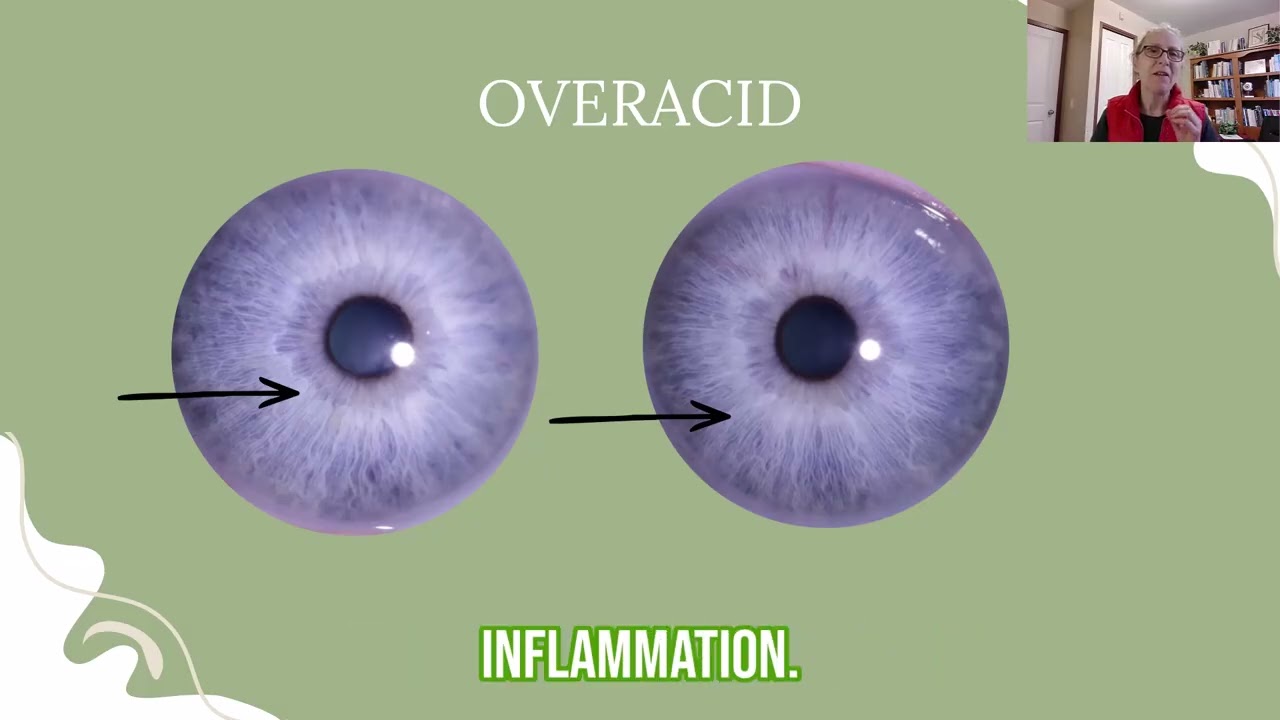
When we talk about pigments in iridology, we're referring to those freckle-like spots. They can be yellow, orange, red, rust, brown, black—and sometimes we include white, though white is a special case.
Each pigment gives us at least two key pieces of information:
*The color tells us which organ or system is inherently predisposed to imbalance.
*The placement shows which other organs or areas are likely to be affected or involved.
Today, we're focusing on just two of the most common pigment colors: orange and brown.
Orange Pigment
The question I often get is: "What shade of orange?" The answer is simple—any shade. Bright orange, dirty orange, soft orange—it all points in the same direction: the liver, gallbladder, and pancreas.
These three organs are so closely intertwined in their functions that when one is stressed, the others often feel it too. That's exactly why a solid understanding of human anatomy and physiology is essential when you add iridology to your toolkit.
For example, if someone describes unstable energy—highs and lows like a rollercoaster ride—and you see orange in their iris, you can reasonably suspect liver and/or pancreas involvement.
Your job then is to ask the right questions to pinpoint whether it's primarily one organ, the other, or both
Once you've clarified that, you can guide them with practical steps: Are there dietary changes, lifestyle adjustments, or targeted supplements that could help improve their health?
Brown pigment is more specific. It speaks narrowly to liver predispositions.
Remember, the liver performs over 500 functions in the body. You don't need to memorize them all, but being able to list at least five or six key ones (beyond just "filtering the blood") helps you see connections between organs and symptoms more quickly.
When you see brown pigments, ask liver-focused questions—because some symptoms that seem liver-related can stem from other imbalances too
We won’t dive into pigment placement just now because that requires a knowledge of how organs work together and how they can impact each other. It also requires an iridology map. If you would like a downloadable copy of the one I use, send me a DM.
We've only scratched the surface of what pigments can reveal.
When you layer it all together in an iris assessment…
Constitution → base chemistry predispositions
Structural subtype → tissue strength and nervous system tendencies
Constitutional subtype → deeper chemistry insights
Pigments → specific organ predispositions
…you gain a fast, clear insight into your client's needs. It saves time and money in assessments while helping you build deep rapport right away.
If you're ready to learn iridology at a clinical level—and integrate it seamlessly with the modalities you already use—click the link in the description for more information.
https://iridology.education/course-info
Повторяем попытку...
![Intro to Pigments [consitutional iridology]](https://imager.clipsaver.ru/ROZvQRix57w/max.jpg)
Доступные форматы для скачивания:
Скачать видео
-
Информация по загрузке: