Elliott Smith - Reagan Years - ( 1985 ) - ( Side A )
Автор: Justin Walsh
Загружено: 2026-01-20
Просмотров: 29
Описание:
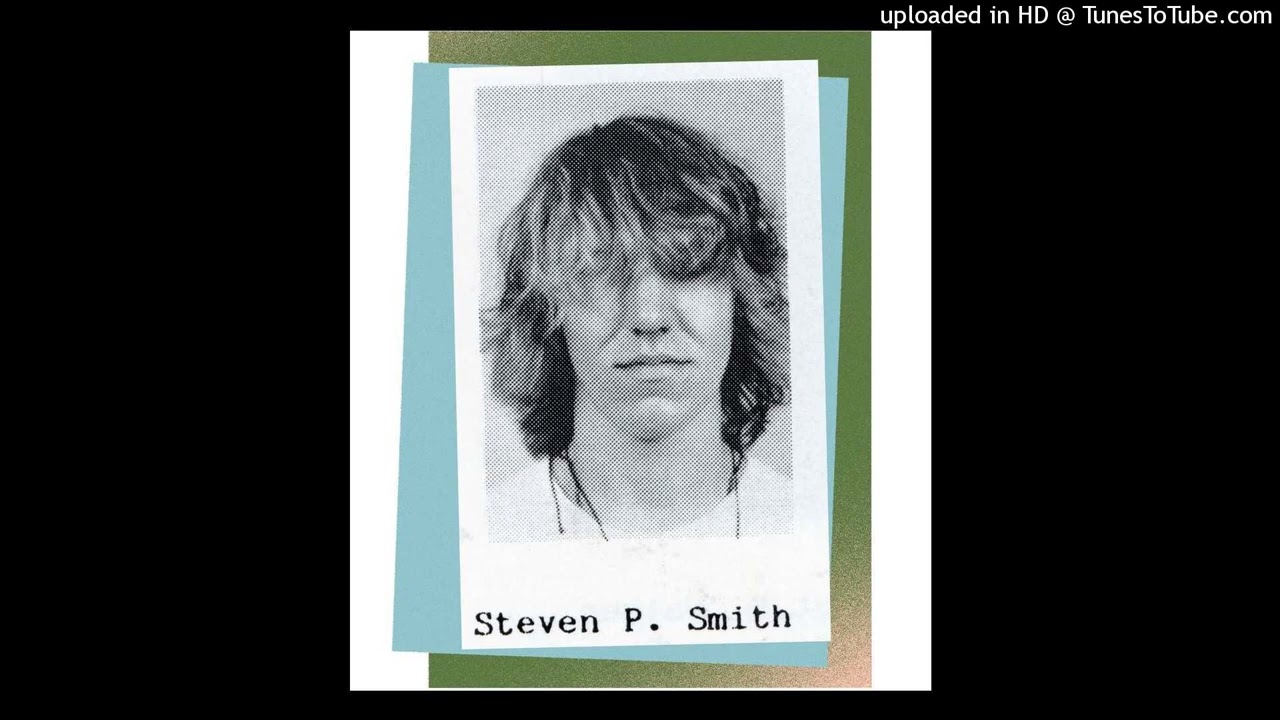
Between 1985 and 1989, Elliott Smith—then known as Steven Paul Smith—was a shy, introverted teenager at Lincoln High School in Portland, Oregon, who formed a close-knit group of music-obsessed friends and recorded six full-length albums of original material on cassette. These homemade recordings, made from ages 16 to 20, trace the surprising, eclectic path that shaped the introspective singer-songwriter he would later become.
In 1985, as a sophomore new to Lincoln High, Smith (then 16) quickly bonded with fellow quiet music lovers Jason Hornick and Garrick Duckler. The trio—joined soon by Tony Lash (drums), Glynnis Fawkes (artwork and occasional contributions), and Susan Pagani (lyrics and Smith's girlfriend during junior year)—began collaborating intensely. They rehearsed in bedrooms and friends' homes, sharing Beatles influences (especially "Strawberry Fields Forever" and "I Am the Walrus"), Billy Joel, new wave, Led Zeppelin, Pink Floyd, and Rush. Smith brought his acoustic guitar, and the group started writing and recording together.
Their first album, Any Kind of Mudhen (1985, credited to Stranger Than Fiction), was mostly Smith and Hornick, using a crude Dr. Rhythm drum machine. It featured tender, acoustic-driven songs written entirely by Smith—"Joy to the World," "Pbida" (a playful nod to Pagani's obsession with fish, from the Russian "рыба"), and "To Build a Home"—with hushed vocals and unadorned fragility that foreshadowed his solo style. Side-two included goofy spoken-word tracks like the seven-and-a-half-minute "It Was a Sunny Day," full of absurd, laughing lyrics.
By 1986, with Lash on drums, the band dove into ambitious, multipart compositions. Waiting For the Second Hand and Still Waters More or Less (both 1986) embraced prog-rock excess: sprawling epics, complex time signatures, blistering guitar solos, and dense lyrics. Tracks like "Laughter" (nine minutes of crammed ideas) and "Song to the Great Serpent" reflected teenage grandiosity and "so much ambition and abandon," as Lash later described. Duckler's manifesto-like texts (e.g., "The Vatican Rock" with its anti-imperialist blues vamp, Chuck Berry chants, and even a tap-dancing solo) added satirical edge, while the group indulged in Rush-inspired complexity.
In 1987, Menagerie continued the Stranger Than Fiction era, with lineup tweaks (Adam Koval subbing on drums) and more nerdy, over-the-top creativity. The band performed locally—at school events, a private school's concert, Fawkes' house parties, and even a homecoming dance—mixing originals with covers (Bob Dylan, Genesis' "Abacab," Beatles, Cheap Trick). Despite the material's unsuitability for dances, they earned affection and excitement from peers; the group felt like "nerdy but not nerds," comfortable in their environment.
By 1988, now as A Murder of Crows, they recorded The Greenhouse. The sound toughened—stronger Costello influence, snarling attitude, wild guitar theatrics—reflecting growing confidence after years together. Notably, "Condor Ave" emerged here: a near-identical melody and arrangement to the later Roman Candle classic, but with Duckler's original lyrics from a child's perspective on a mother's disappearance or death.
In 1989, as Harum Scarum, they released Trick of Paris Season. Smith was now at Hampshire College in Massachusetts, returning on breaks to record. The album showed swagger and mastery: chunkier rock from a borrowed powerful amp, punk-funk grooves (e.g., "Small Talk" with Jane’s Addiction/Red Hot Chili Peppers strut and lines like "The phone is busy, her legs are naked"), and the first liner-note appearance of "Elliott Smith." Proto-versions surfaced too—"Catholic" (early "Everybody Cares, Everybody Understands" from XO) and harmonic seeds like those in "Asleep" (leading to "I Didn’t Understand").
These six albums—recorded live with minimal gear, full of in-jokes, laughter, and fearless experimentation—captured a joyful, self-contained creative ferment free of fame's pressures. The group bonded deeply through music, letters, mixtapes, and endless phone calls (Smith and Pagani's long-distance romance fueled by shared songs). They rehearsed during lunch, labored after school, and created purely for love of the process. Friends recall nonstop hilarity, absurd phrases ("ducky boy soup"), cemetery Halloween antics, and a sense of pure fulfillment—Smith's happiest, least self-conscious time. These teenage tapes reveal him as a dedicated tinkerer and woodshedder, testing every rock style before distilling it into the intimate mastery of his solo career.
Повторяем попытку...
Доступные форматы для скачивания:
Скачать видео
-
Информация по загрузке: