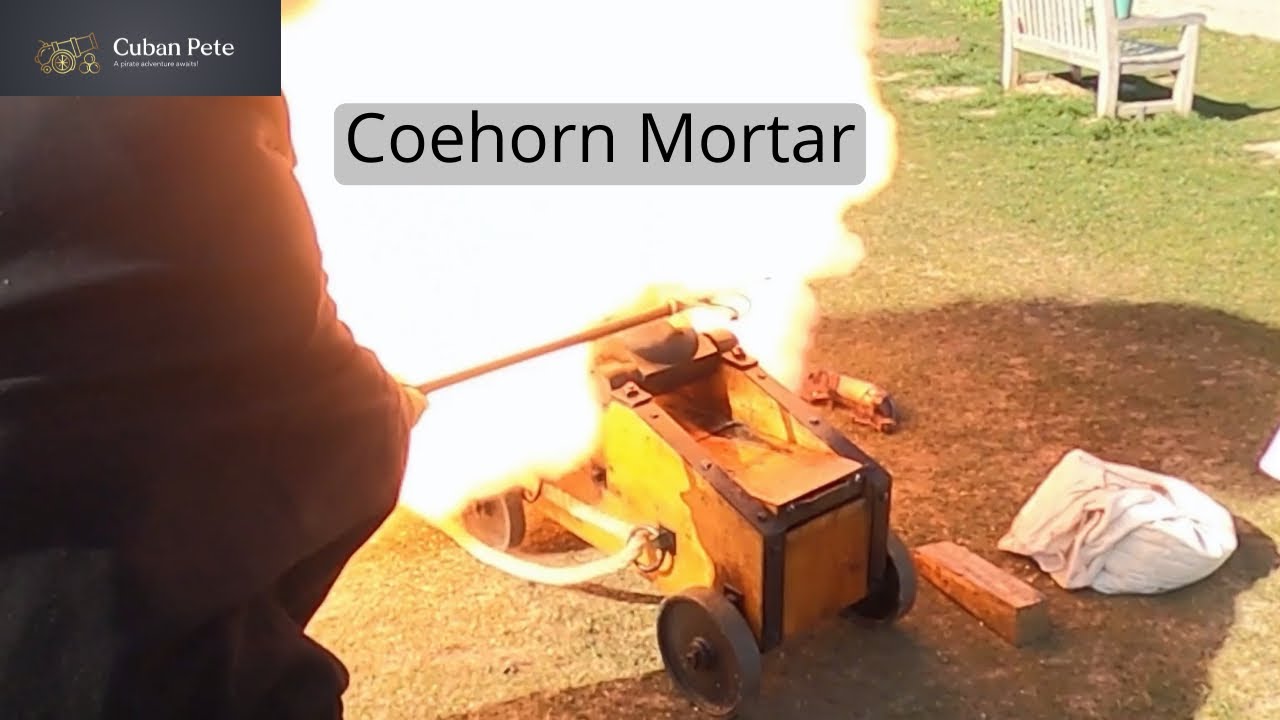
Coehorn Mortar, loading and firing!
Автор: Cuban Petes Historical Re-enactment
Загружено: 2025-03-16
Просмотров: 129
Описание:
The original Coehorn was light enough to be moved by as few as two men, although a four-man crew was more practical for rapid movement. It proved immediately popular: the 74 used at Kaiserswerth were increased to over 300 at Bonn six months later. Fortifications of the period were primarily designed to resist horizontal fire, making the vertical trajectory and plunging fire of the Coehorn highly effective at short range. It used a powder-filled, time-fused shell, the range being adjusted by changing the size of the charge. The low muzzle velocity meant the shell's high, arching flight could be easily observed from ground level, but this was not necessarily a problem, since the gun's original purpose was to provide cover rather than inflict casualties.
Historical uses in battle
While generally employed in siege warfare, Coehorns were also used by British troops at the Battle of Glen Shiel in June 1719.
In the 1861–1865 American Civil War, the Federal siege artillery units had both 12- and 24-pounder versions, and the Confederates constructed copies of the 24-pounder using rough iron. At the siege of Vicksburg in 1863, the Union forces had so little artillery that "wooden [coehorns] were made by taking logs of the toughest wood that could be found, boring them out for six or twelve pound shells and binding them with strong iron bands".
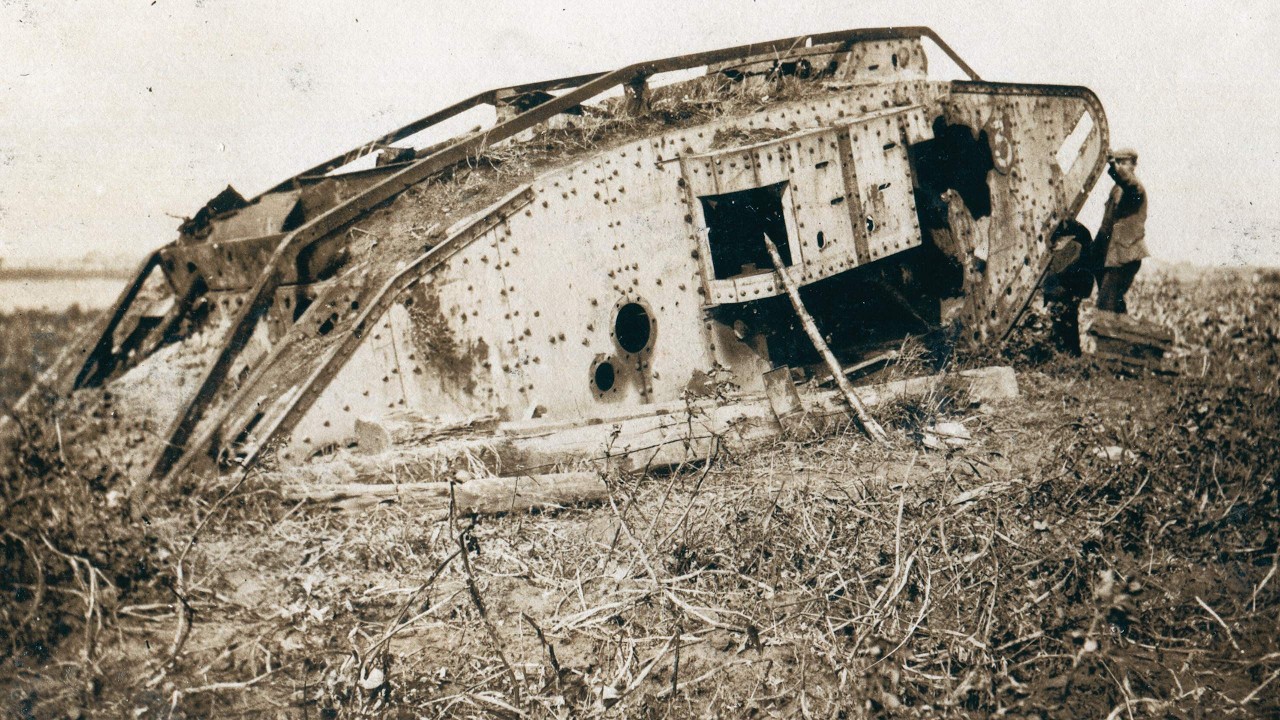
After the outbreak of the First World War, trench warfare soon developed, and it became apparent that the British had nothing to match the German minenwerfer. While an effective British weapon was in development, the French army provided Colonel Toby Rawlinson with 40 obsolete Coehorn mortars, which became known as "Toby mortars". These were used in action at the Battle of Neuve Chapelle and the Battle of Aubers during the spring of 1915 and were quickly retired on the arrival of the new Stokes mortars later that year.
The British Army used the Coehorn in the wars against the Maoris because horizontal cannon shot would often fail to penetrate the thick woven barrier mats that were hung outside Maori fortifications to protect the wooden structures. The vertical trajectory and plunging fire of the Coehorns was very effective in this application.
Повторяем попытку...
Доступные форматы для скачивания:
Скачать видео
-
Информация по загрузке: