How a Center Differential Really Works
Автор: Innovation Discoveries
Загружено: 2026-02-12
Просмотров: 5
Описание:
⚙️ How a Center Differential Really Works — The Secret Behind True AWD Power
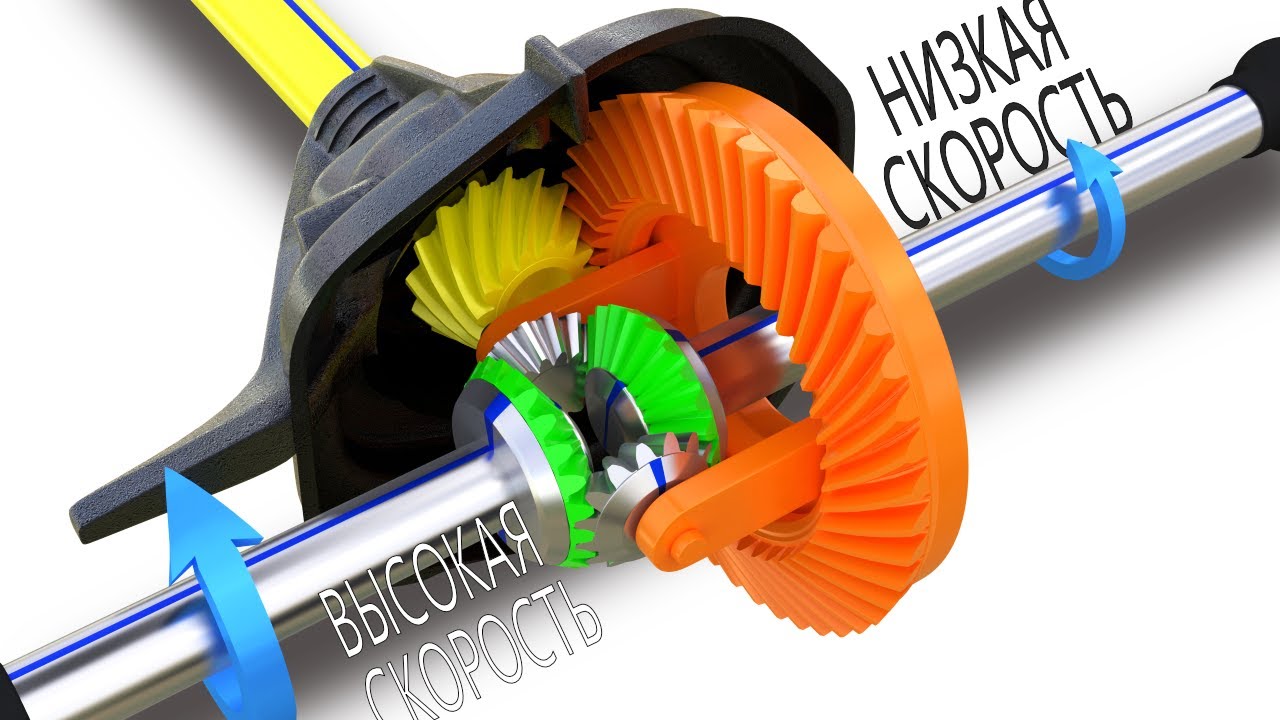
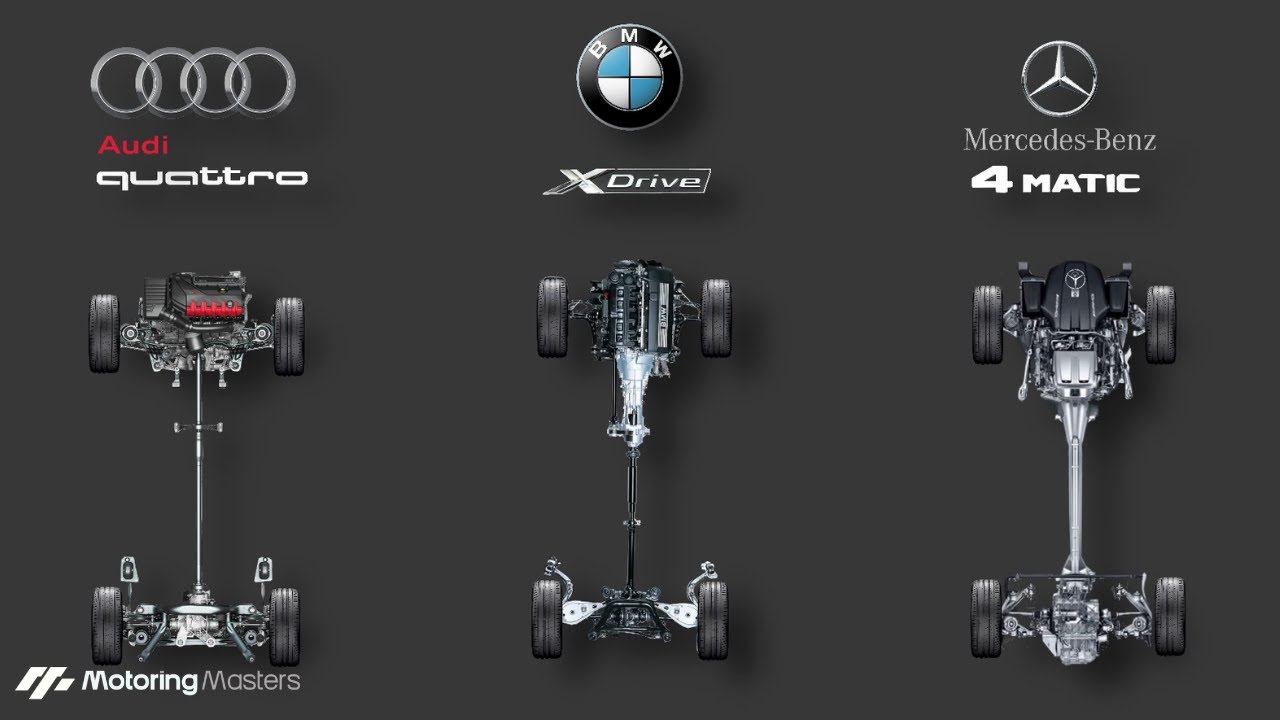
Every true AWD system relies on one critical component most drivers never see and rarely think about: the center differential. It’s the hidden brain of the drivetrain, quietly splitting engine power between the front and rear axles and making sure your vehicle stays smooth, stable, and predictable on every road surface. Without it, simply turning a corner would twist the entire drivetrain into mechanical stress—tires would scrub, gears would bind, and components would fail long before the car reached its full potential.
The center differential exists because the front and rear axles never rotate at the same speed in real driving. When you’re cruising in a straight line, the difference is tiny, and the differential hardly moves internally—it just maintains the preset torque split, whether that’s 50:50 for traditional AWD or a rear-biased 40:60 for performance setups. But the moment you turn the steering wheel, everything changes. The front axle travels a longer path, turning faster than the rear. The center differential absorbs this speed difference seamlessly, allowing the drivetrain to stay relaxed instead of fighting itself.
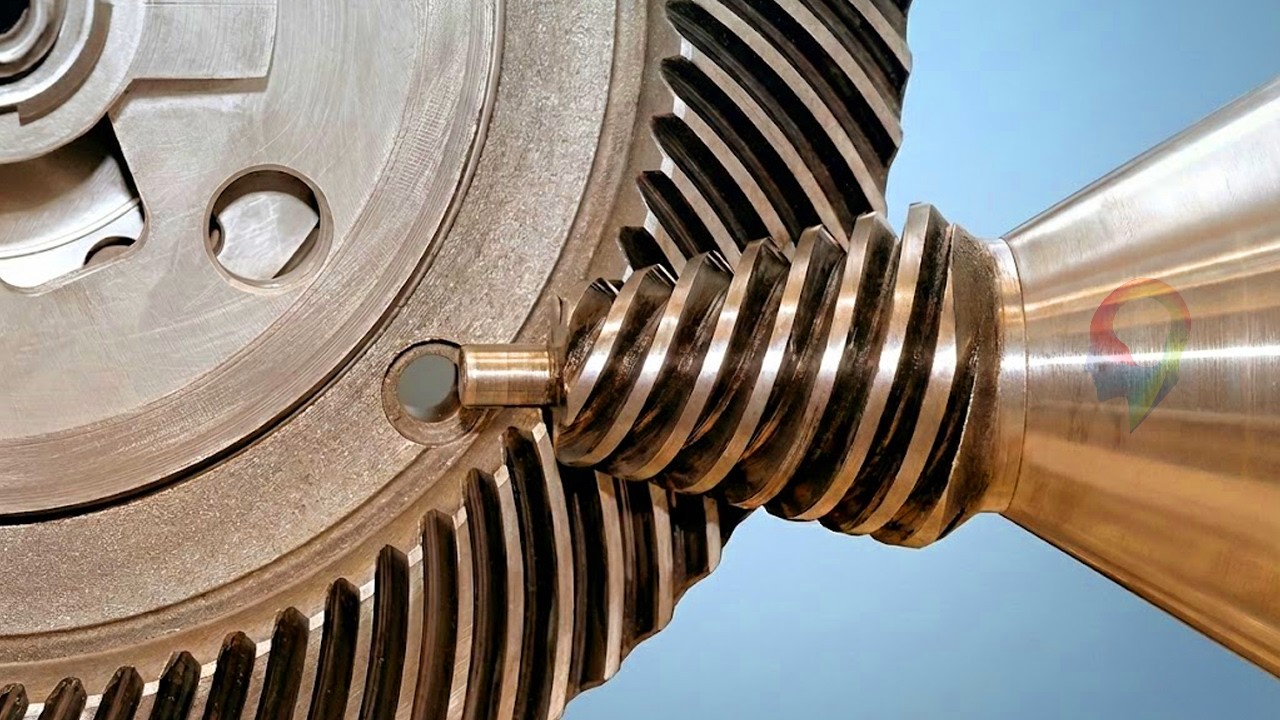
The challenge appears on slippery surfaces. In a basic open center differential, torque takes the path of least resistance—meaning if one axle loses grip, the other gets almost no usable power. That’s why more advanced systems use viscous couplings that thicken under shear, Torsen worm gears that bias torque mechanically, or electronically controlled clutch packs that adjust power distribution hundreds of times per second. These designs don’t just split torque—they strategically send more of it to the axle that can actually use it.
Some vehicles even allow the center differential to be locked, forcing the front and rear axles to rotate at the same speed for maximum traction off-road. But that function becomes dangerous on high-traction pavement, where a locked center diff causes binding and severe stress. Understanding when and why this feature should be used can make the difference between smooth operation and costly damage.
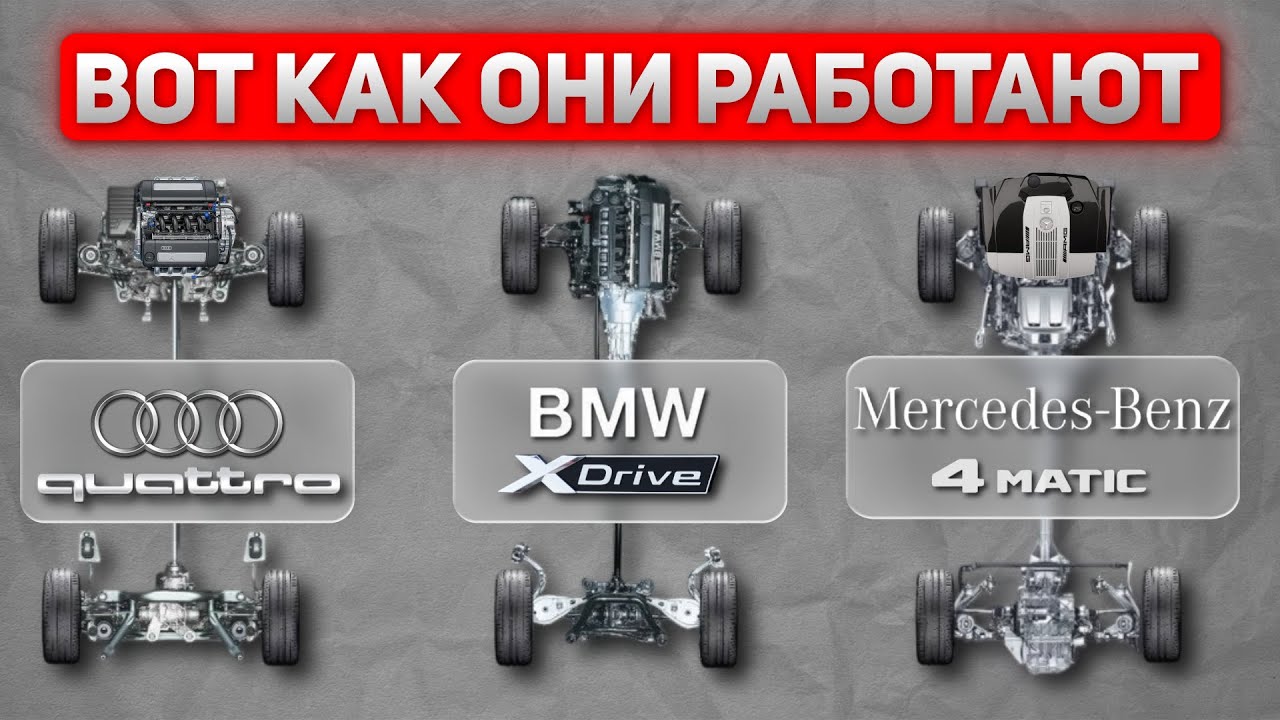
Modern AWD systems go a step further by blending the center differential with traction control, wheel-speed sensors, throttle data, and steering inputs. This coordination allows the ECU to constantly adapt the torque split, stabilizing the car during aggressive driving, slippery conditions, or sudden directional changes. It’s a sophisticated dance of mechanics and electronics that most drivers never notice—until something goes wrong. Binding during turns, jerking, vibrations, uneven tire wear, or even warning lights often trace back to the center differential or its control system rather than the transmission itself.
Because the center differential relies heavily on correct lubrication and proper calibration, maintenance is crucial. The wrong fluid can destroy the internals, viscous units are sealed for life, and electronically controlled systems require specific diagnostics when they fail.
From off-road SUVs to high-performance AWD sedans, the center differential is what allows the drivetrain to function smoothly under all conditions. It prevents wind-up, protects the gears, and ensures that the engine’s torque is always delivered where it can generate real traction. Understanding how it works gives you a deeper appreciation of what makes modern AWD vehicles so capable, stable, and reliable—whether you're carving corners, climbing a trail, or driving through rain and snow.
Повторяем попытку...

Доступные форматы для скачивания:
Скачать видео
-
Информация по загрузке: