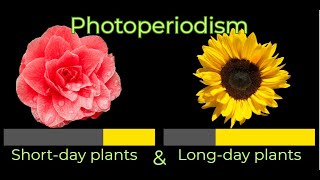
“Understanding Photoperiodism: The Role of Light and Circadian Rhythms in Plant Flowering”
Автор: BioVision
Загружено: 2025-07-30
Просмотров: 564
Описание:
“Photoperiodism in Plants: How Plants Tell Time and Know When to Flower”
What is Photoperiodism?
Photoperiodism is the response of plants to the relative lengths of day and night, which helps them determine when to flower, when to grow, or when to go dormant. This biological ability helps plants synchronize their life cycles with the seasons.
Types of Plants Based on Photoperiodism:
1. Short-day plants – Flower when nights are long (e.g., rice, chrysanthemums).
2. Long-day plants – Flower when nights are short (e.g., spinach, wheat).
3. Day-neutral plants – Flower regardless of day length (e.g., tomato, cucumber).
How it works:
• Plants have a photoreceptor called phytochrome that senses light.
• This photoreceptor switches forms depending on light conditions (red light vs. far-red light).
• The plant’s internal biological clock (circadian rhythm) works with light cues to decide when to initiate flowering.
• A key hormone involved is florigen, a mysterious flowering signal transported through the phloem.
Why it’s important:
• Photoperiodism is essential in agriculture – farmers manipulate light in greenhouses to induce flowering.
• It explains how climate change and artificial lighting can affect crop cycles.
• It’s deeply linked to plant genetics, physiology, and evolution.
Повторяем попытку...

Доступные форматы для скачивания:
Скачать видео
-
Информация по загрузке: