Temagami Fire Tower Trail: Point Six - History of Town of Temagami, Tema Augama Anishinaabe Highway
Автор: Municipality of Temagami
Загружено: 2025-10-09
Просмотров: 9
Описание:
Boozhoo!
You’ve reached Point 6: History of the Town of Temagami, the Teme-Augama Anishnabai, and the King’s Highway.
From here we connect deep Indigenous heritage, forest and lake legacies, and the arrival of modern transportation links.
Long before European arrival, the *Teme-Augama Anishnabai* inhabited and stewarded *N’daki-menan* (“Our Land”) for over 9,000 years—oral traditions trace their presence to the last Ice Age. Creation stories recount *Gizhi Manidoo* placing the people at high points like **Ishpatina Ridge**, grounding spiritual and practical ties to the land and waters.
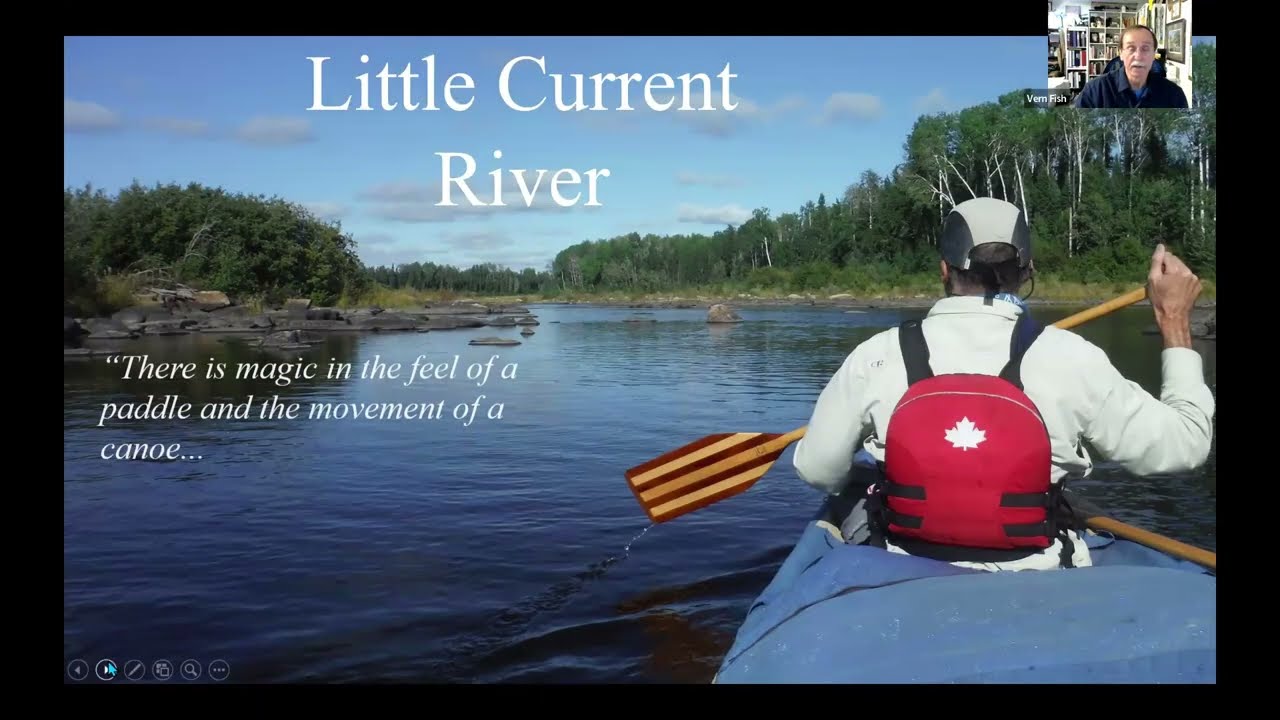
Their territory included vast canoe routes—Lake Temagami, Cassels Lake, and the Montreal River—connected by *Miikanan* (“trails”) forming a living network known as a **Nastaagan**. These paths guided seasonal travel, teaching, and resource sharing.
In the late 19th century, leaders such as *Chief Tonene* (“Too ni ni”) and *Kabimigwune* (“Plenty of Feathers Going By”) fought to secure lands for their families as logging advanced. Despite early promises of reserve surveys, industrial pressure led to displacement, restricted harvesting, and destruction of homes.
After nearly a century of struggle, *Bear Island* was recognized as a reserve in 1971. The broader land claim, covering tens of thousands of square kilometres, remains unresolved. Legal actions in 1973 and a 1991 Supreme Court decision affirmed that Canada breached its fiduciary duty to the Nation.
Through all this, the *Teme-Augama Anishnabai* maintained their way of life—fishing, hunting, gathering, and ceremony at sacred sites such as *Maple Mountain (Jiibayjiing)**, a place of great spiritual power. Traditional knowledge of forest succession, water systems, and bedrock formations continues to guide modern conservation in **White Bear Forest* and beyond.
Parallel to this Indigenous history, the late 1800s and early 1900s brought fur traders, missionaries, loggers, and miners. Rail service opened the north to commerce, and steamboats delivered lumber, mail, and visitors to new lodges. The railway spurred the rise of **Temagami Village**, followed later by the construction of **King’s Highway 11**, linking Temagami to the provincial road system and opening access for supplies, tourism, and healthcare.
In **Anishinaabemowin**, community is **“Oodenaang”**—“the place of the town,” evoking the heart of fire and family. As timber, tourism, and mining drew newcomers, Temagami evolved into a hub where traditional land use and resource extraction coexist—often uneasily.
Historic photos capture early logging camps, steamboat docks, and the first automobiles arriving on the highway. These developments brought jobs and visitors but also disturbed fragile ecosystems and sacred places. In response, new planning frameworks now emphasize sustainability and respect for *Teme-Augama Anishnabai* values.
Today, partnerships among **Temagami First Nation**, municipal planners, and the province aim to balance development with heritage protection—preserving archaeological and ceremonial sites while supporting housing, healthcare, and eco-tourism. Seasonal maintenance of Highway 11—snow clearing, bridge repair, and safety updates—remains vital for residents and travellers alike.
Modern Temagami reflects **layered histories**: ancient Indigenous stewardship, settler resource economies, and renewed cooperation in conservation. The King’s Highway once symbolized expansion; today it represents **connection**—a route linking communities committed to learning from the land and each other.
Engagement with Anishinaabe knowledge keepers now guides environmental assessments and cultural interpretation at heritage sites, ensuring infrastructure projects respect ecological and cultural integrity.
Travellers are encouraged to learn about the Teme-Augama Anishnabai and their ongoing stewardship of Timiiagamiing, part of N’daki-minaan—“our land.” These teachings, or Kikinoo’amaagoowinan, remind us that Temagami’s story is not only about railways and highways, but about **enduring presence, resilience, and shared responsibility.
Miigwech—thank you for listening and reflecting on these intertwined histories.
Next stop:
Point 7 – Cassels Lake & Montreal River Route History and White Bear Forest*, where waterways and forests continue the story of life, travel, and renewal.
Повторяем попытку...
Доступные форматы для скачивания:
Скачать видео
-
Информация по загрузке: