Myelosuppression or Bone marrow Suppression ; Definition, Causes, Symptoms, Diagnosis, Treatment
Автор: MBBS NAIJA
Загружено: 2025-01-04
Просмотров: 386
Описание:
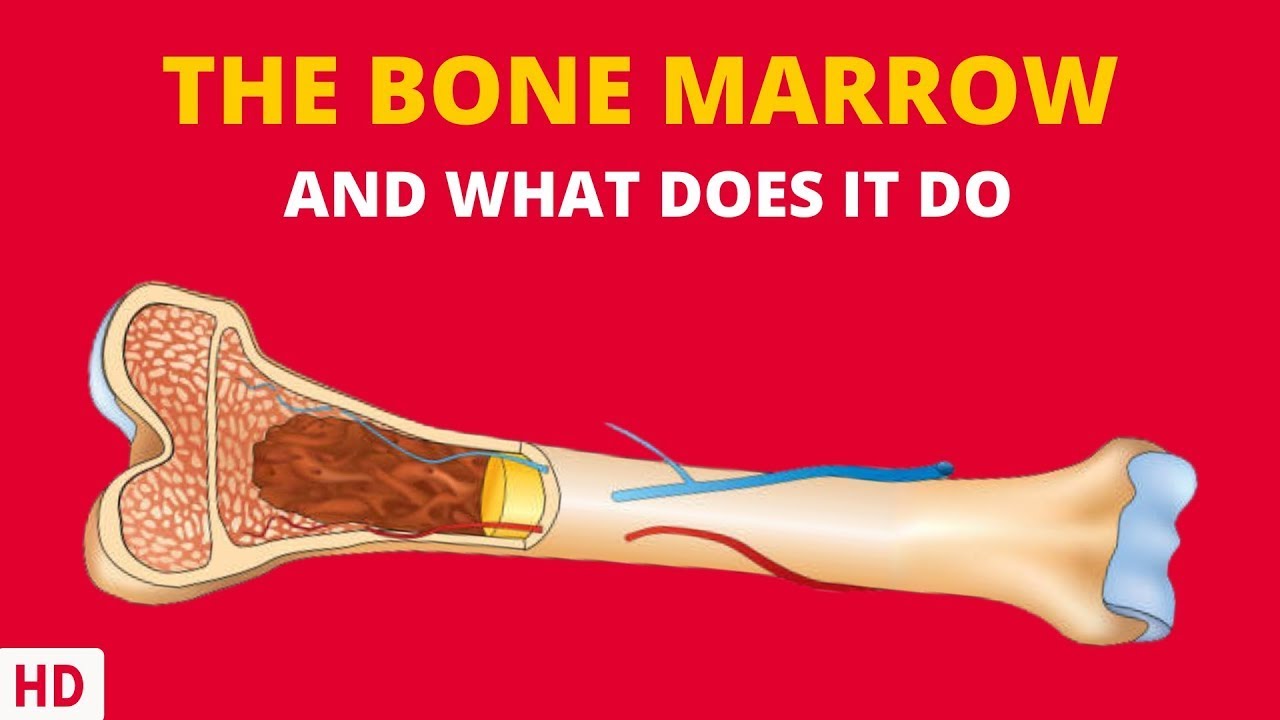
Myelosuppression, also known as bone marrow suppression, is a condition where the bone marrow's ability to produce blood cells is decreased. This can lead to a reduction in red blood cells, white blood cells, and platelets1. Here's a detailed overview:
Causes
Chemotherapy: A common cause, as chemotherapy drugs target rapidly dividing cells, including those in the bone marrow.
Radiation Therapy: Can damage bone marrow cells.
Certain Medications: Some drugs can suppress bone marrow function.
Bone Marrow Disorders: Diseases like leukemia or myelodysplastic syndromes can affect bone marrow function.
Infections: Certain viral infections can temporarily suppress bone marrow activity.
Symptoms
Anemia: Due to low red blood cell production, symptoms include fatigue, shortness of breath, dizziness, and pale skin.
Neutropenia: Low white blood cell count increases the risk of infections, with symptoms like fever, chills, and frequent infections.
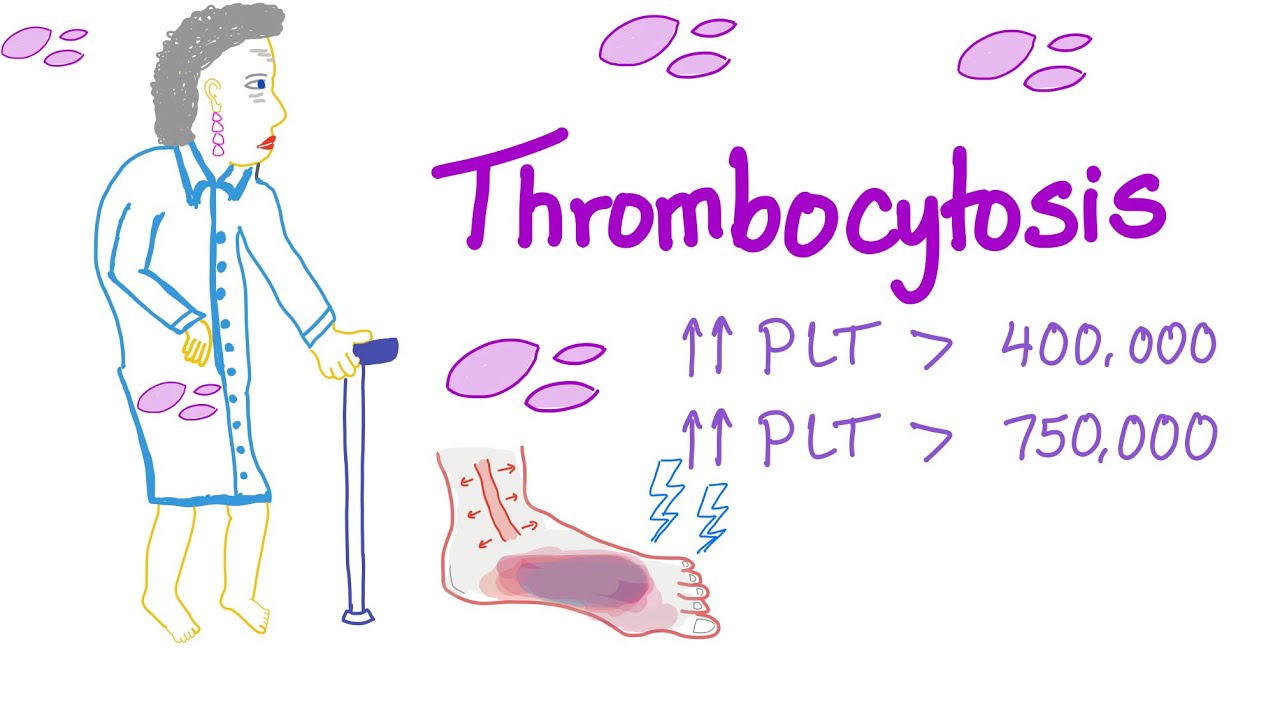
Thrombocytopenia: Low platelet count can cause easy bruising, bleeding gums, and prolonged bleeding from cuts.
Diagnosis
Blood Tests: Complete blood count (CBC) to measure levels of red blood cells, white blood cells, and platelets.
Bone Marrow Biopsy: To examine the bone marrow directly and assess cell production.
Treatment
Supportive Care: Blood transfusions, antibiotics for infections, and medications to stimulate blood cell production.
Adjusting Chemotherapy: Reducing or pausing chemotherapy to allow bone marrow recovery.
Bone Marrow Transplant: In severe cases, a transplant may be necessary to restore bone marrow function.
Prognosis
Mild Cases: Often resolve with supportive care and adjustments in treatment.
Severe Cases: Can be life-threatening if not managed properly
#Myelosuppression #BonemarrowSuppression
Повторяем попытку...

Доступные форматы для скачивания:
Скачать видео
-
Информация по загрузке: