Orphan Girl Asked Bumpy Johnson for Food — He Built an Entire Orphanage in Her Name
Автор: Harlem Silent King
Загружено: 2026-02-25
Просмотров: 580
Описание:
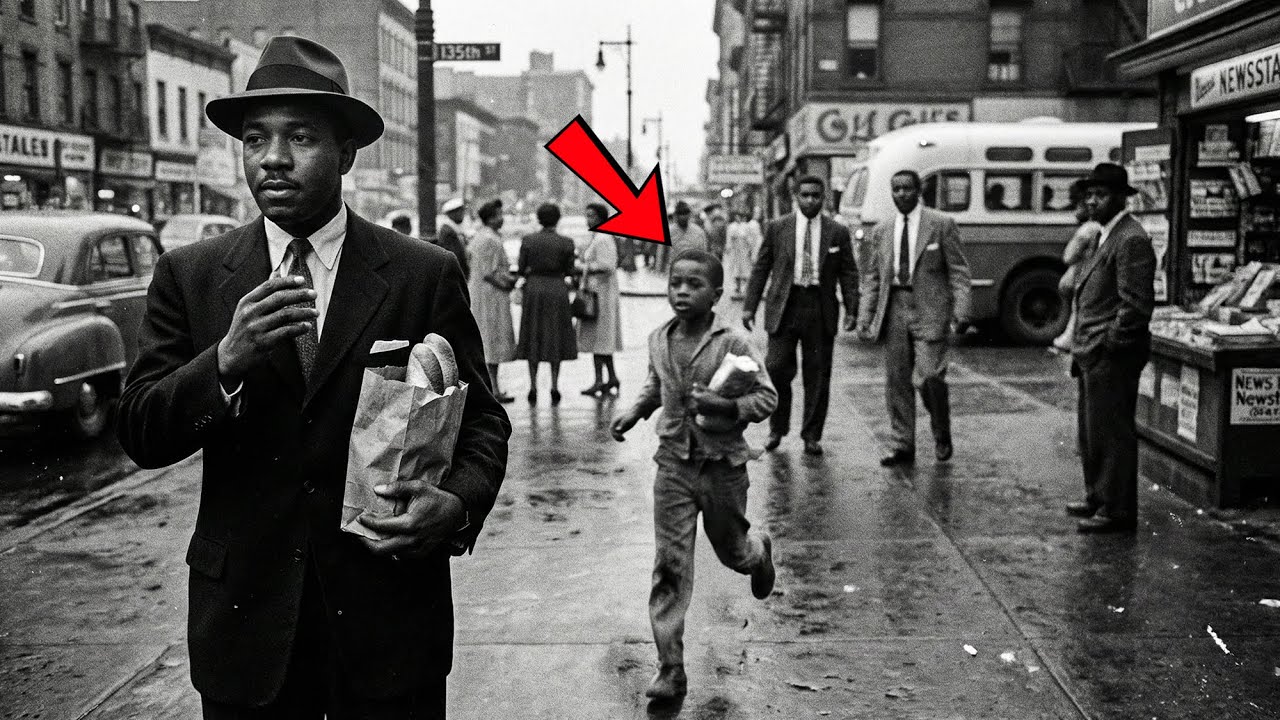
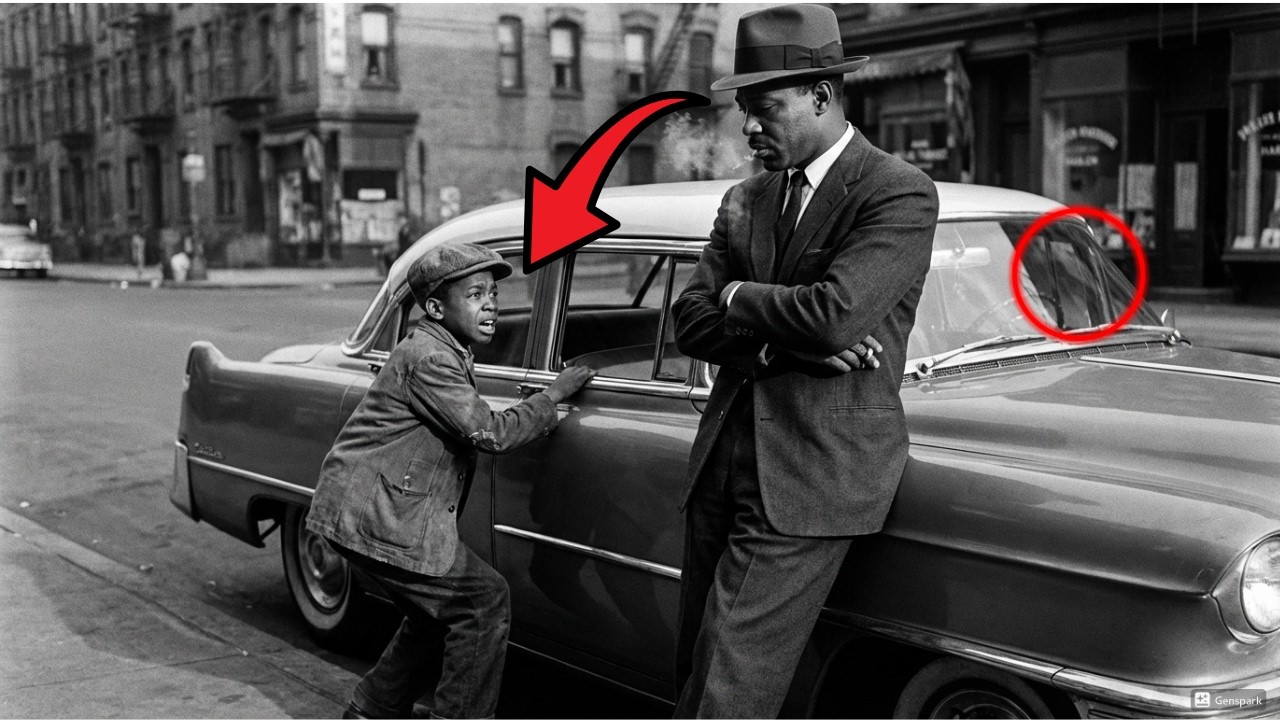
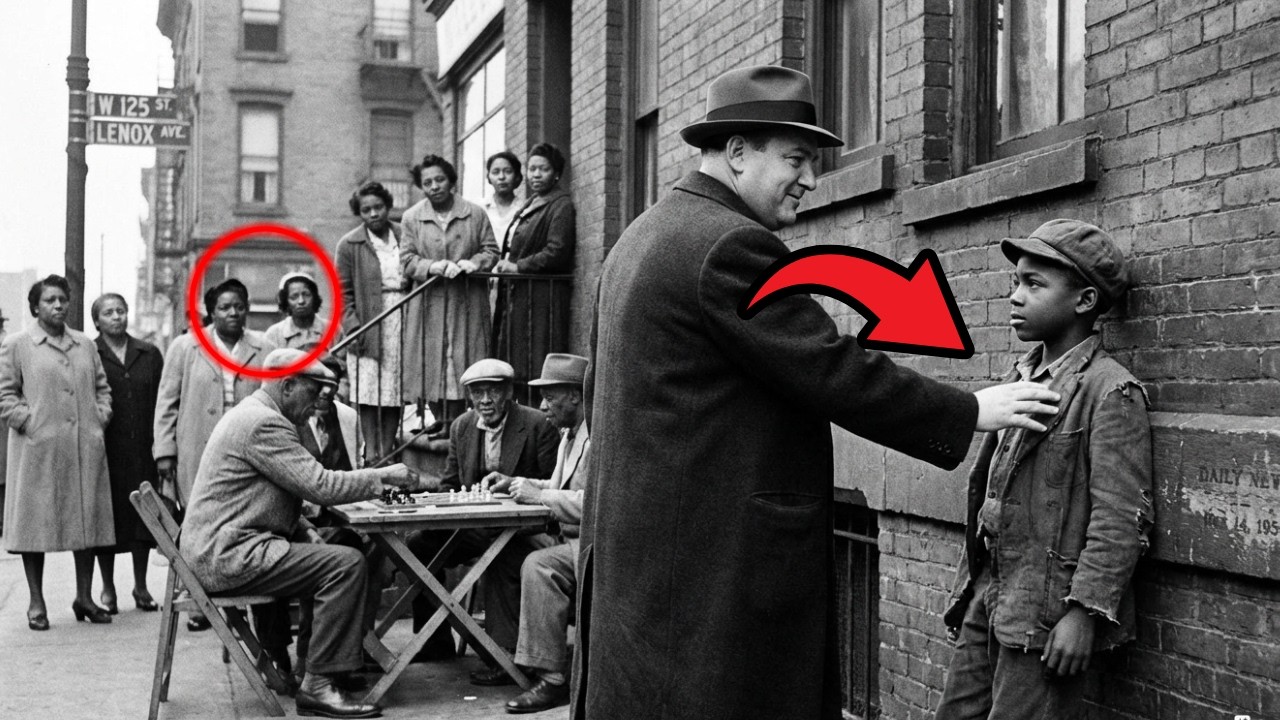
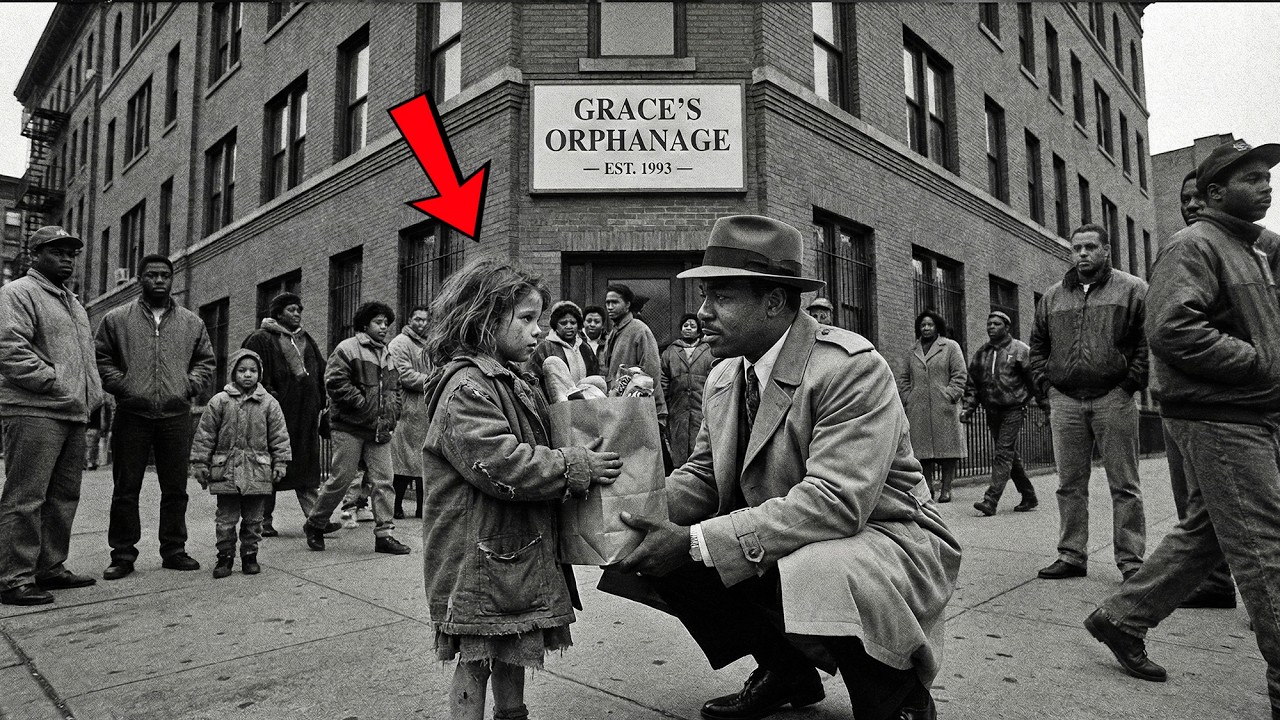
On November 14, 1954, a hungry nine-year-old girl approached Bumpy Johnson on Lenox Avenue and asked for two dollars.
What happened next did not end with a sandwich.
This documentary-style story examines the origins of Grace House, a children’s home created in Harlem after one brief sidewalk encounter. Set against the social and economic realities of 1950s Harlem, this episode explores how informal power structures sometimes stepped in where formal institutions struggled.
This video does not glamorize crime. It presents a historically grounded narrative based on documented community accounts and contextual research. The goal is understanding — not celebration.
STORY SUMMARY:
In November 1954, a nine-year-old girl named Grace Williams, living in an overcrowded Harlem mission home, approached Bumpy Johnson and asked for money to buy food. Johnson gave her two dollars — but the encounter stayed with him.
Over the next several months, Johnson consulted clergy, social workers, physicians, and community leaders. What followed was the purchase and renovation of a five-story brownstone on West 136th Street and the creation of Grace House, a licensed children’s residential facility.
This episode of Harlem Silent King examines:
The condition of Harlem orphan care in the 1950s
The coalition that helped build Grace House
The licensing and funding challenges
The long-term impact on children placed there
The moral complexity of philanthropy funded by criminal enterprise
Grace House operated through the 1950s and 1960s, serving dozens of children and later transitioning to youth group home services as welfare policy evolved.
This story reflects the dual reality of Bumpy Johnson’s life — criminal authority on one side, structured community investment on the other.
VIEWER HOOKS:
A nine-year-old asked for $2… and it changed Harlem.
Was Grace House compassion — or strategy?
Did Johnson build an orphanage out of guilt, power, or responsibility?
What happens when informal power solves formal system failure?
Can charity offset criminal legacy?
Stay until the end to understand the full legacy of Grace House — and why this story is still debated decades later.
CTA:
If this story made you think differently about Harlem history, comment:
👉 Was Grace House redemption — or reputation management?
👉 Do community results matter more than the source of the funding?
👉 Should government have done what Johnson did?
If you value calm, serious, historically grounded storytelling about Bumpy Johnson and Harlem’s hidden history:
🔔 Subscribe to Harlem Silent King
👍 Like the video to support research-based content
📍 Comment where you're watching from
Your engagement helps preserve Harlem’s untold stories.
CHAPTER TIMESTAMPS:
00:00 – The Afternoon on Lenox Avenue (November 14, 1954)
02:18 – Grace Williams and Harlem Mission Home
05:42 – The $2 Request
08:10 – Johnson’s Realization
11:30 – Investigating Harlem’s Child Welfare Crisis
16:05 – Building the Coalition
20:40 – Purchasing the Brownstone
25:15 – Licensing & State Inspection
29:50 – Grace House Opens
33:40 – Grace Moves In
37:10 – Funding the Orphanage
41:25 – The Long-Term Impact
46:00 – The Moral Debate
50:10 – Final Reflection
#BumpyJohnson
#HarlemHistory
#HarlemSilentKing
#TrueCrimeHistory
#BlackHistory
#NewYorkHistory
#1950sHarlem
#HistoricalDocumentary
#UntoldStories
Повторяем попытку...
Доступные форматы для скачивания:
Скачать видео
-
Информация по загрузке: