Hyssop (Hyssopus officinalis) : Propagation through cuttings
Автор: Rustica Gardening
Загружено: 2024-07-16
Просмотров: 903
Описание:
Hyssopus officinalis, commonly referred to as hyssop and also known as the "sacred herb," is a perennial aromatic plant that flourishes in the rocky and poor soils of high Provence. It belongs to the same botanical family as lavender, which explains their visual resemblance. Hyssop thrives in calcareous and warm conditions, making it a plant that is diametrically opposite to those that require acidic soil. It is essentially a rock garden and full-sun plant.
#### Flowers and Blooming of Hyssop
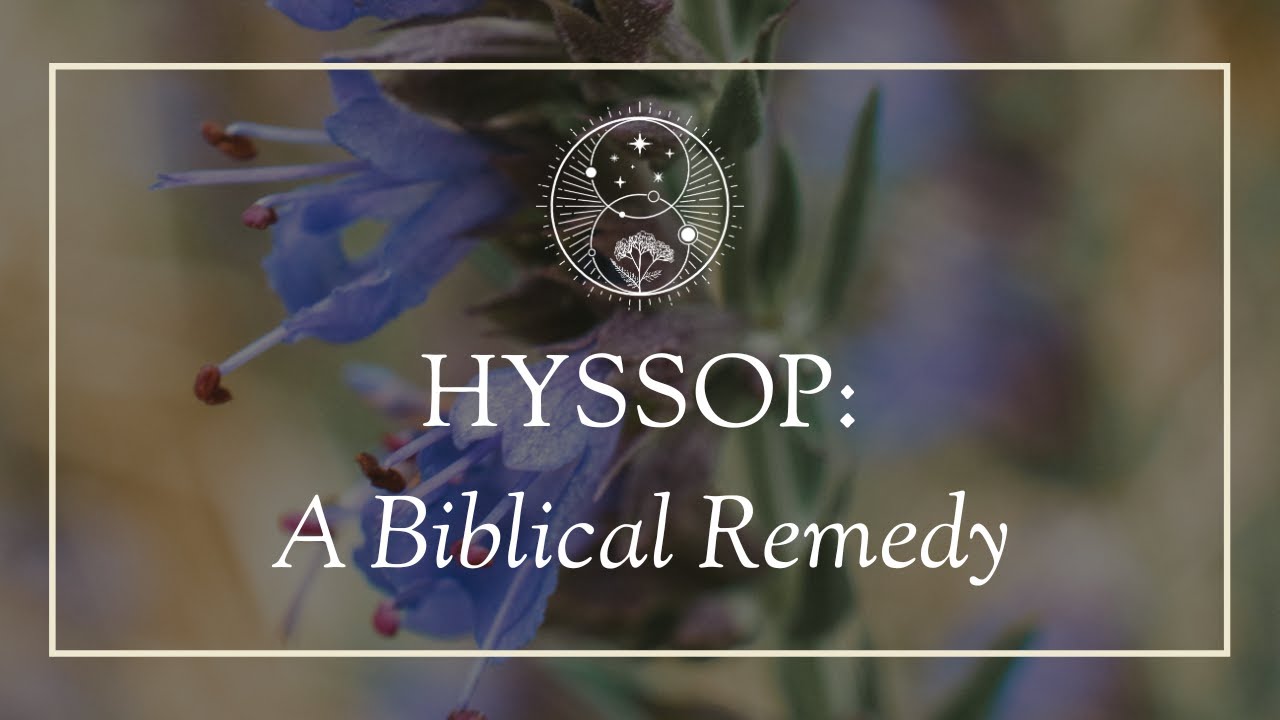
Although smaller than lavender, hyssop can be easily mistaken for it due to its blue-purple flower spikes that bloom from June to September. This plant is highly attractive to bees and other beneficial insects in the garden, being exceptionally melliferous. Hyssop generally does not grow taller than 30 cm.
#### Identifying the Leaves and Foliage of Hyssop
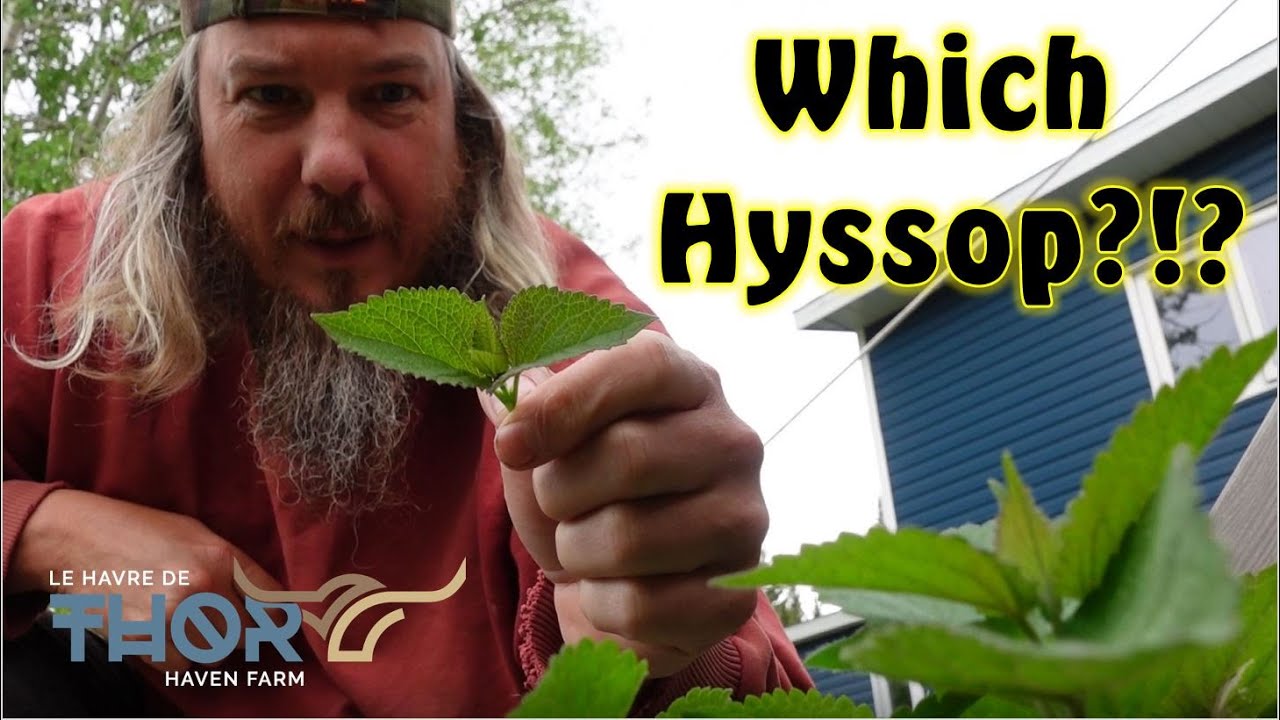
Belonging to the Lamiaceae family, hyssop features square stems that bear shiny green and lanceolate leaves. The strong yet pleasant aroma of the leaves can be used in small quantities to flavor salads. Additionally, hyssop leaves are utilized in infusions to aid in respiratory relief.
#### Step-by-Step Guide to Propagating Hyssop
During the spring, an initial attempt at growing hyssop from seeds was unsuccessful due to damping-off, a disease caused by microscopic fungi that wiped out the young seedlings. The failure was potentially exacerbated by overly acidic seedling soil.
To successfully propagate hyssop, follow these precise steps:
1. Prepare pots of 10 or 12 cm by filling them with a specifically prepared substrate consisting of sand and a small amount of wood ash.
2. Water the pots thoroughly.
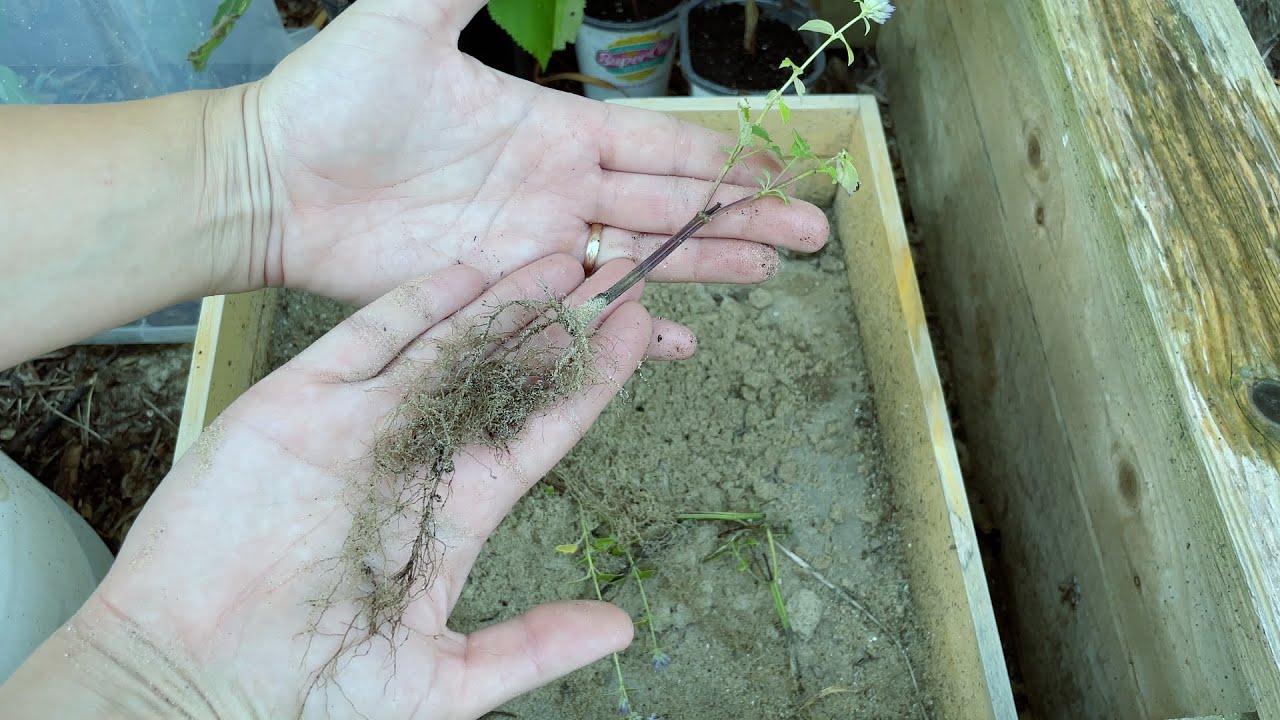
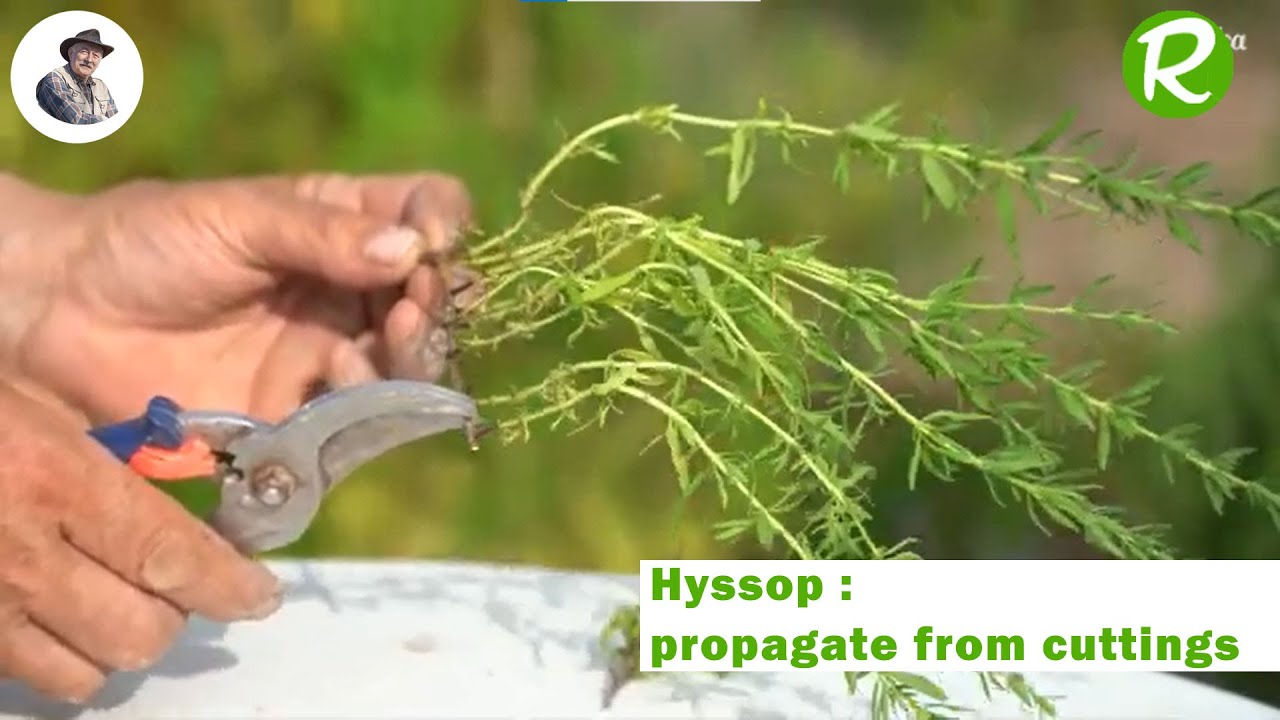
3. Carefully detach cuttings from the stem.
4. Remove the lower leaves of the cuttings gently.
5. Insert the cutting into the moistened substrate.
6. Cover the cutting with a transparent bottle to create a humid microenvironment.
7. Maintain moisture levels until the cutting establishes roots.
#### Transplanting the Propagated Cutting into the Garden
It is advisable to position the rooted cuttings before the end of summer in well-drained soil. A raised garden bed would be an ideal location for these plants.
#### Health Advisory
Hyssop leaves are not only aromatic but also offer health benefits. When used in infusions, they provide relief to the bronchial passages.
In conclusion, propagating hyssop is a meticulous yet straightforward process. Understanding the plant's preference for calcareous, rocky, and warm environments ensures successful cultivation. The step-by-step method of preparing and nurturing the cuttings under specified conditions is key to achieving lush and vibrant hyssop plants. Hyssop’s beneficial properties, both culinary and medicinal, further underscore its value in any garden. This guide ensures that even novice gardeners can effectively propagate and cultivate this versatile aromatic plant.
Повторяем попытку...
Доступные форматы для скачивания:
Скачать видео
-
Информация по загрузке: