Iconoclasm in the Byzantine Empire: Leo III vs Pope Gregory II sparks a major church divide
Автор: HistoriSci Perspectives
Загружено: 2025-02-08
Просмотров: 93
Описание:
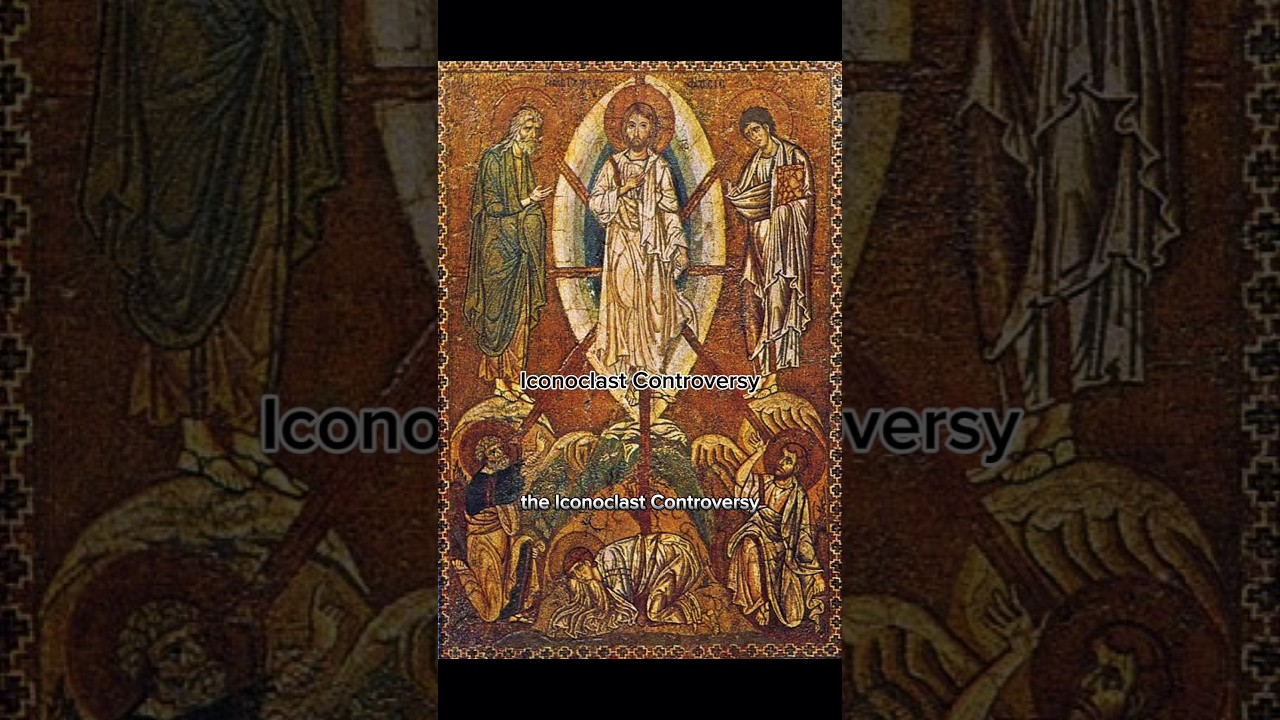
Iconoclasm in the Byzantine Empire: Leo III vs Pope Gregory II sparks a major church divide. #History
Iconoclasm in the Byzantine Empire: Emperor Leo III bans religious icons, sparking a church divide. #ByzantineEmpire #Iconoclasm #ChurchHistory #PopeGregoryII #LeoIII #GreatSchism #Christianity #History
Empire during the 8th and 9th centuries. It began in 726 CE, when Emperor Leo III issued a decree banning religious icons, claiming they led to idolatry. This sparked a fierce debate between supporters of icons (Iconophiles) and their opponents (Iconoclasts). The controversy became a defining conflict between the Byzantine East and the Roman West, with Pope Gregory II openly rejecting Leo III’s policies.
⛪ The Origins of Iconoclasm
Leo III's iconoclastic policies were influenced by several factors:
✔ Religious beliefs – Leo III saw icons as violating the Second Commandment, which forbids idolatry.
✔ Political motives – Some historians believe iconoclasm strengthened imperial authority over the church.
✔ Islamic influence – The Byzantine Empire was at war with the Umayyad Caliphate, where aniconism (opposition to images) was dominant.
✔ Natural disasters – Events like earthquakes, plagues, and eruptions may have been seen as divine punishment for idolatry.
🔥 The Clash Between Byzantium and Rome
Pope Gregory II and later Pope Gregory III condemned iconoclasm, viewing it as heretical. The Roman Church strongly supported icon veneration, believing icons served as spiritual aids rather than idols. This led to:
✔ A growing divide between Eastern Orthodoxy and Roman Catholicism.
✔ Increased papal independence from Byzantine rule, setting the stage for the Great Schism of 1054.
✔ The convening of the Seventh Ecumenical Council in 787 CE, which restored the veneration of icons.
📜 The Two Phases of Iconoclasm
1️⃣ First Iconoclasm (726–787 CE): Initiated by Leo III and his son Constantine V, resulting in icon destruction and persecution of icon supporters. It ended with the Second Council of Nicaea (787 CE), which ruled in favor of icons.
2️⃣ Second Iconoclasm (814–843 CE): Resumed under Leo V, but was permanently overturned in 843 CE under Empress Theodora, leading to the celebration of the Triumph of Orthodoxy, still observed in the Eastern Orthodox Church today.
📖 Studies & Discoveries
Recent research on Byzantine art and manuscripts has revealed:
✔ Hidden iconographic paintings beneath layers of whitewash in churches.
✔ Accounts of monks and artists secretly preserving religious images.
✔ Political connections between Byzantine emperors and military struggles influencing the debate.
📺 Explore More on Our Channel
Our channel dives deep into history, science, literature, biblical topics, and more with well-researched content. Subscribe for more historical documentaries, insights, and discoveries!
🔔 Subscribe now and turn on notifications!
📚 Further Reading & Resources
The Byzantine Iconoclasm – Leslie Brubaker & John Haldon
The History of the Byzantine Empire – A.A. Vasiliev
The Second Council of Nicaea (787 CE) – Full Text
🔔 Connect with Us:
Subscribe to our channel for more captivating videos on history, sciences, literature, biblical topics, and more.
Like this video and share it with history and sciences enthusiasts!
Leave a comment below with your thoughts or questions—we love hearing from you!
Hit the notification bell so you never miss an episode!
Explore the past. Illuminate the present. Shape the future. Join our community today!
Have questions or suggestions? We’d love to hear from you! Drop us a comment.
/ @jaylinestudio685
#ByzantineEmpire #Iconoclasm #ChurchHistory #LeoIII #PopeGregoryII #GreatSchism #EasternOrthodoxy #Christianity #AncientHistory #ReligiousDebate #LearnHistory #HistoryMatters
Повторяем попытку...
Доступные форматы для скачивания:
Скачать видео
-
Информация по загрузке: