Field Notes Friday: Corn Flowers
Автор: UpperValleyLandTrust
Загружено: 2022-09-16
Просмотров: 273
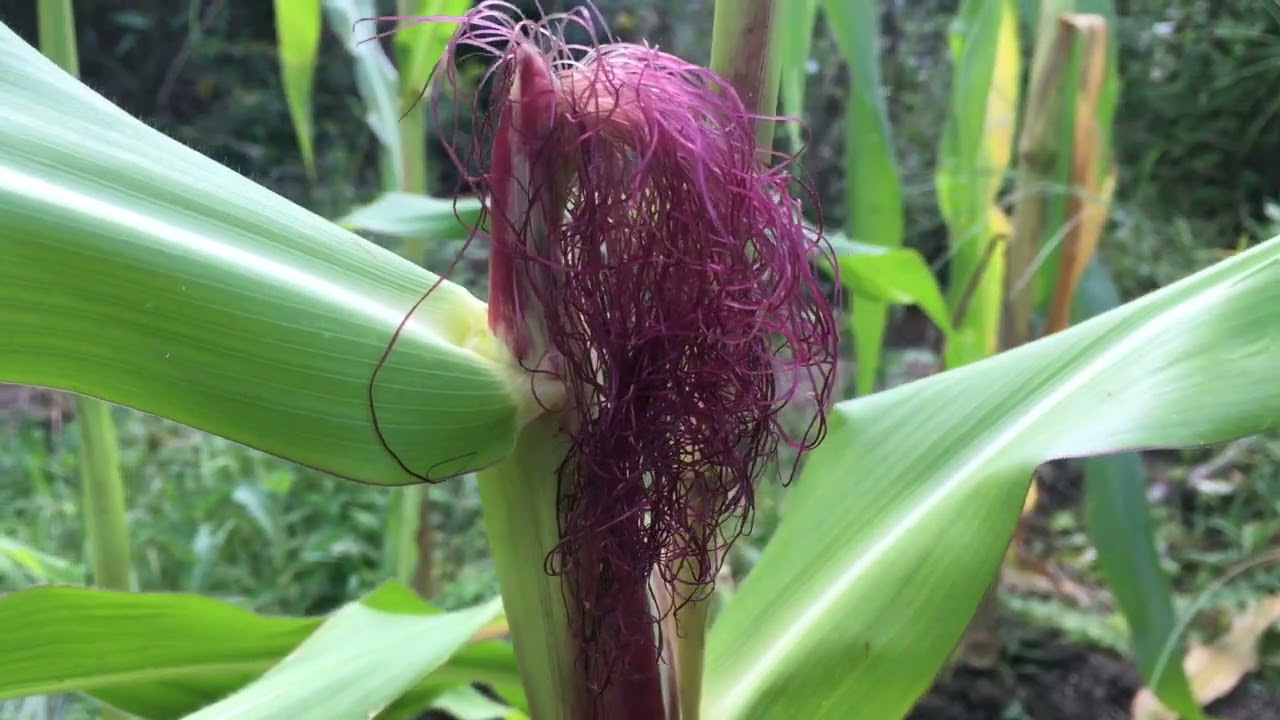
Описание: Senior Land Steward Kaytee Currie-Huggard takes you to her backyard garden this week. The Upper Valley Land Trust staff noticed its harvest season for some cornfields in our area. Many farms that grow corn as livestock feed probably already understand the basic pollination mechanics of corn and how to grow giant ears. However, corn can be a tricky plant for some backyard gardeners, especially when it needs to be produced in a confined area. Corn stalks are monoecious, meaning they have male and female flowers on the same plant but in different locations. The pollen-producing male anthers are at the top, and the stigmas of the female flower are on the ears of corn. Every potential kernel on an ear develops silk that eventually grows out of the ear. A single corn plant can produce 2 to 5 million pollen grains and travel more than 500 feet, but most pollen shed only moves 20 to 50 feet and is transferred by wind or insects. Silks are receptive to pollen grains anywhere along their length, and each silk must be pollinated with at least one pollen grain to develop a kernel. Fertilized silks will detach from the kernel, which you've probably seen when husking ears. Poor pollination means smaller corn cobs! Planting in a block pattern is the most common method used in fields throughout the Upper Valley. Shaking the plants and hand pollination are other ways to spread pollen to guarantee kernel-crammed cobs.
Повторяем попытку...
Доступные форматы для скачивания:
Скачать видео
-
Информация по загрузке: