J.S. Bach: Harpsichord Concerto No. 4 in A major, BWV 1055 - 1. Allegro [2025 Revisit] (Synthesized)
Автор: Carey R. Meltz
Загружено: 2025-04-04
Просмотров: 1907
Описание:
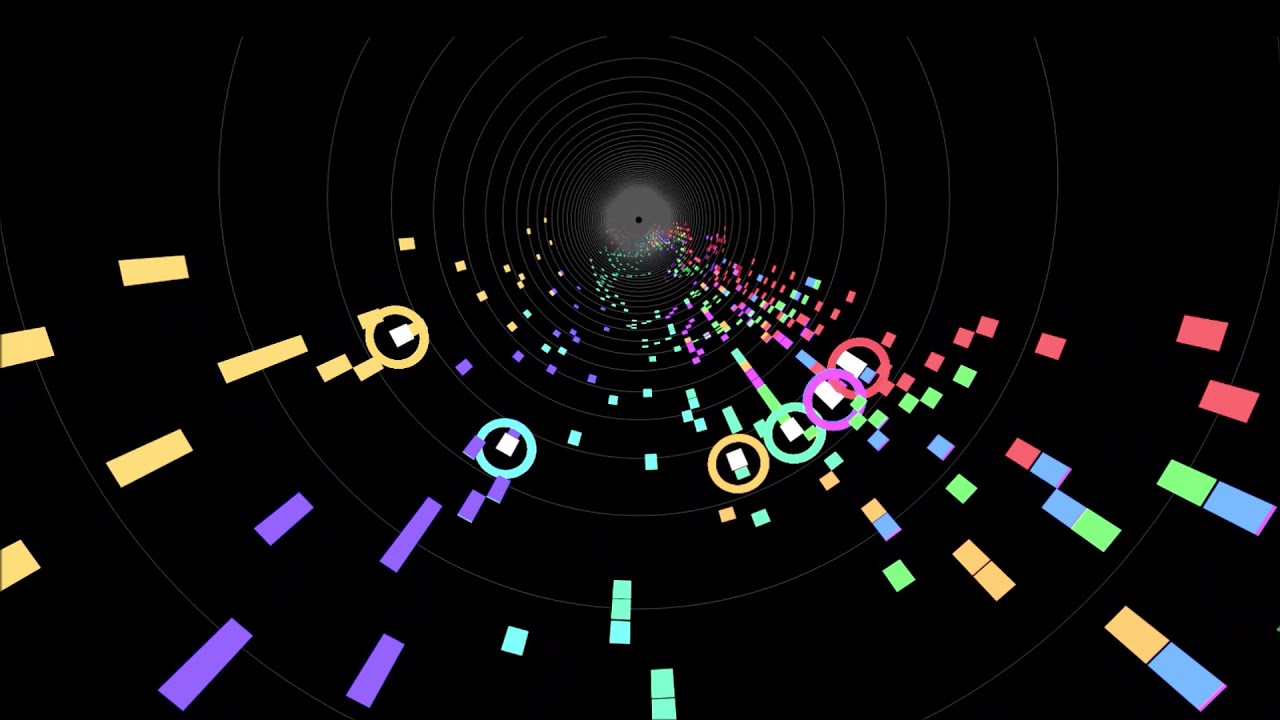
For information on the visualization, please read the note at the end.
Like the musical talent of the Bach family, many of Johann Sebastian's compositions went through several generations. It was a common 18th-century practice for composers to rework their own music (and that of others, in those pre-copyright days) to fill a new need. Among the best-known of such pieces in the Bach canon are the concertos for harpsichord, all of which seem to be arrangements of some of his earlier music, much identified, some conjectured. The Third and Seventh Concertos, for example, are arrangements of the E major and A minor Violin Concertos; the Sixth corresponds to the Fourth Brandenburg. Bach needed these pieces in harpsichord/orchestra form for the programs of the Leipzig Collegium Musicum, a public concert-giving organization whose direction he assumed soon after arriving in Leipzig in 1723. Bach or one of his talented sons was soloist at the keyboard for many of those regular Friday concerts held at a local coffee house.
The harpsichord concertos were based on works Bach wrote for his duties at the court of Anhalt-Cöthen between 1717 and 1723, where he was responsible for the instrumental rather than the sacred music. Most of the model works were originally for solo violin, but the esteemed English musicologist Sir Donald Tovey proposed in 1935 that the 4th Concerto in A major (BWV 1055) could have originally been written for the oboe or oboe d'amore (an ancestor of the modern English horn)... as suggested by the key and the fact that it is only really the right hand of the harpsichord that plays concertante. More research over the decades seems to corroborate the idea.
Unlike Bach's other harpsichord concertos, BWV 1055 has no known precursors, either as an instrumental concerto or as a movement with obbligato organ in a cantata. It has generally been accepted that it is a reworking of a lost instrumental concerto and written in 1721. The unusual thing about this concerto, says renowned harpsichordist Franceso Corti, is that it is the only harpsichord concerto by Bach to have a second continuo part, so it would certainly have been played by a second harpsichord as well.
In compositional terms, BWV 1055 is one of Bach's most concentrated and mature concertos. The opening Allegro movement features a vivacious orchestral ritornello ("returns" in Italian), which acts as the structural backbone of the movement, returning like the supporting pillars of a cathedral, giving the form both its structure and its name. Between these ritornelli, the solo instrument develops a complementary motive (a short musical idea), like sparkling stained glass windows. The regular phrases, disposed in eight-measure blocks, give this movement a dance-like quality. As is usual in a Baroque concerto, the strings and solo instrument largely share material for the recurring first part (ritornello); this alternates with the sparsely accompanied, ornamented and showier passages for the soloist. There is an almost constant sixteenth-note pulse maintaining rhythmic momentum throughout.
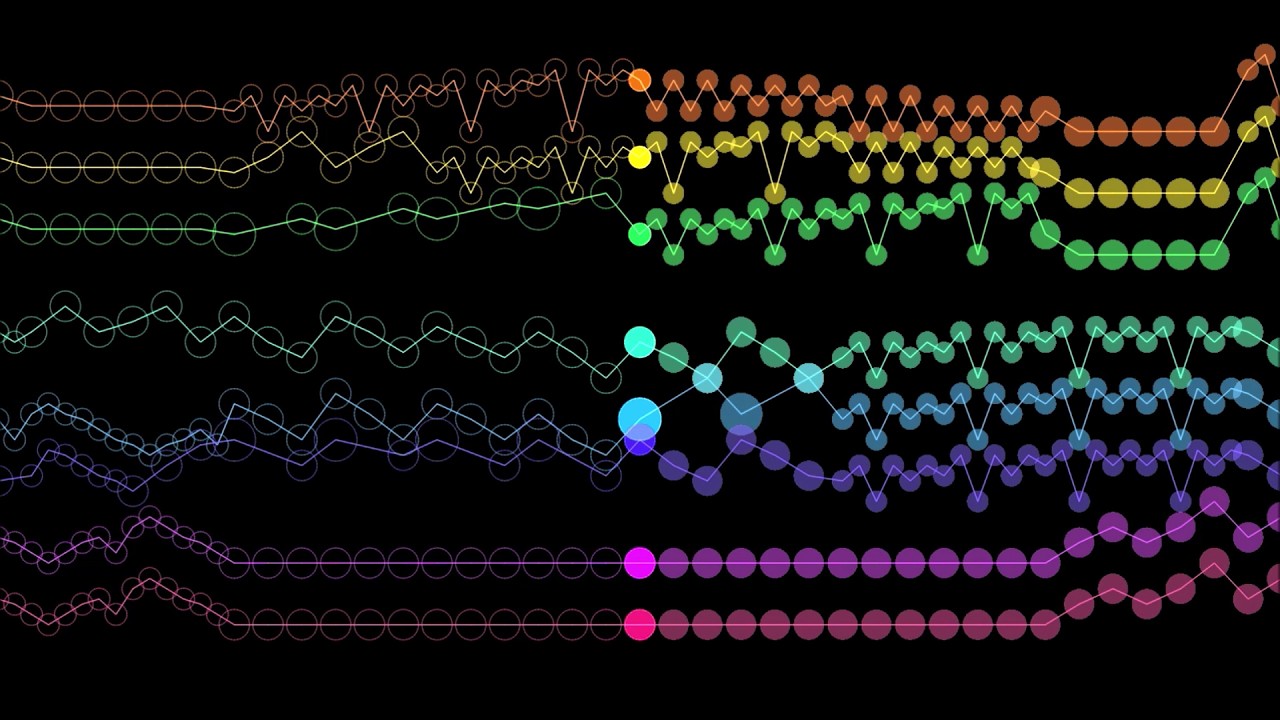
For those wishing to follow along with the MAMM (Music Animation Machine Midi) Player, the voicing is as follows:
Harpsichord RH - Pink (presented an octave higher)
Violins I - Orange
Violins II/Choir II - Yellow
Violas - Green
Cellos - Cyan
Double Basses - Blue
Harpsichord LH - Purple (intermittent over Cellos)
The use of headphones will enhance your listening experience.
Повторяем попытку...
![J.S. Bach: Harpsichord Concerto No. 4 in A major, BWV 1055 - 1. Allegro [2025 Revisit] (Synthesized)](https://imager.clipsaver.ru/PyuRZY0c8TI/max.jpg)
Доступные форматы для скачивания:
Скачать видео
-
Информация по загрузке:


![J.S. Bach: Brandenburg Concerto No. 5 in D major, BWV 1050 - 1. Allegro [2022 Revisit] (Synthesized)](https://imager.clipsaver.ru/8JqI3m14PhU/max.jpg)






![Джем – J.S. Bach: Harpsichord Concerto No. 4 in A major, BWV 1055 - 1. Allegro [2025 Revisit] (Synthesized)](https://imager.clipsaver.ru/RDPyuRZY0c8TI/max.jpg)

![J.S. Bach: Sinfonia to Cantata No. 29 [2017 Revisit] (Synthesized)](https://imager.clipsaver.ru/gz9hUPTjnI0/max.jpg)