Pulse Induction Metal Detectors. How do they work? Part 3: Sampling integrator. LTspice analysis.
Автор: Electronics ain't easy
Загружено: 2024-10-31
Просмотров: 1073
Описание:
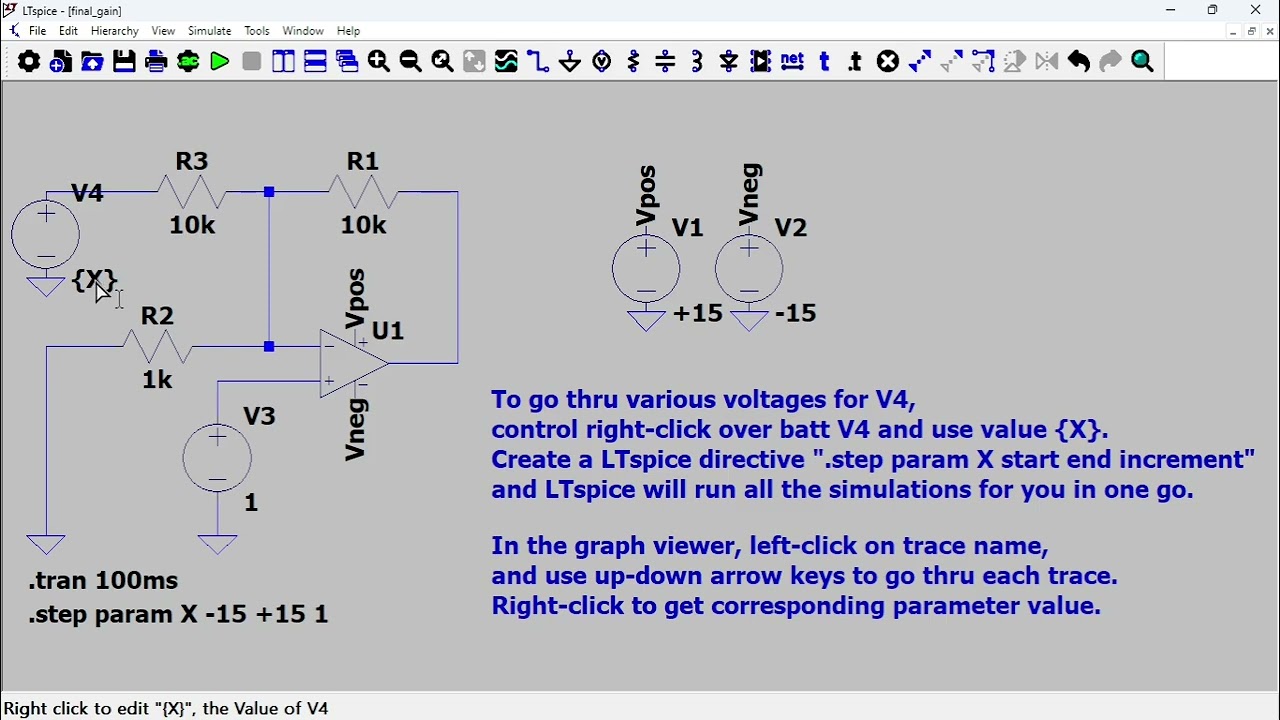
In this third installment, I go over the integrator that is used to generate a signal that indicates the presence of metal under the coil, assuming that the coil is in movement.
The role of the integrator is to take those samples coming from the flyback decay and generate a dc level (I should say, near DC) that is low when the coil is stationary (even if over a target) but high if moving over a target. The Self-Adjusting Threshold (SAT) is added to bring the dc level down when stationary by behaving like a high-pass filter. In other words, you keep the dynamic signals, not the static ones.
Another way of saying the same thing:
The output of the integrator should rise and fall when the coil is moved over a target but, when the coil is stationery, the output of the integrator should fall rapidly (Self-Adjusting Threshold aka SAT).
In practice, you may want to use a differential integrator so that the Earth magnetic field is canceled out. For that, you would need to get a secondary sample later on the flyback decay curve.
The advantage of the integrator is in its ability to correlate samples and reject noise.
Here are the LTspice files:
https://drive.google.com/file/d/13lVp...
https://drive.google.com/file/d/1ypNx...
https://drive.google.com/file/d/1k8Up...
https://drive.google.com/file/d/1jeto...
Повторяем попытку...

Доступные форматы для скачивания:
Скачать видео
-
Информация по загрузке: