सफदरजंग के मकबरे का इतिहास || Tomb of Safdar Jang History in Hindi | Facts about Tomb of SafdarJang
Автор: Rare Facts
Загружено: 2018-12-04
Просмотров: 25766
Описание:
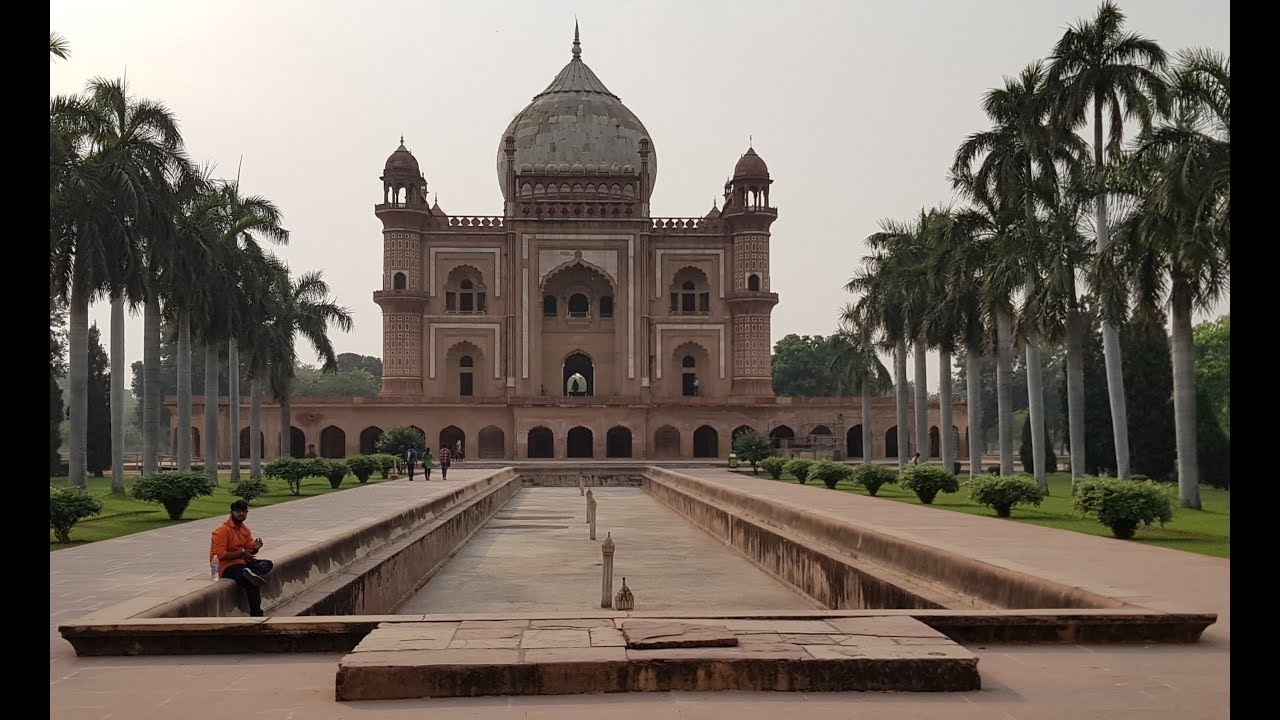
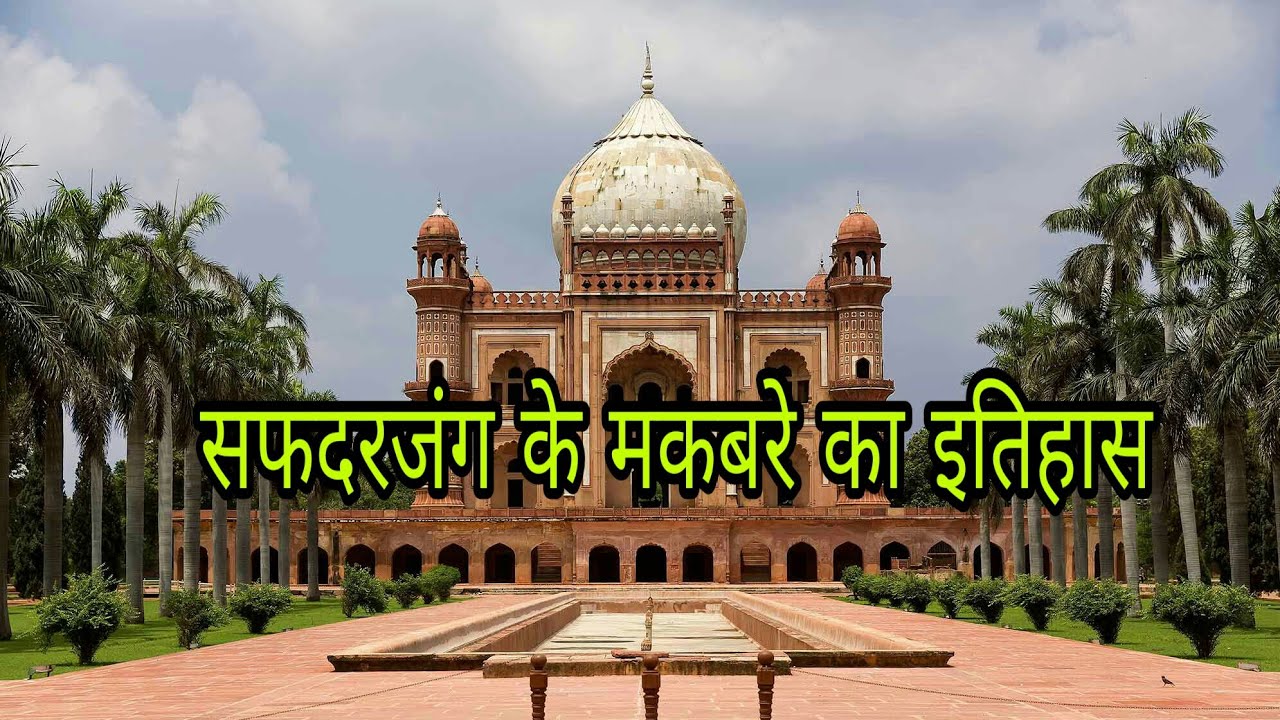
Safdarjung's Tomb is a sandstone and marble mausoleum in Delhi, India. It was built in 1754 in the late Mughal Empire style for Nawab Safdarjung. The monument has an ambience of spaciousness and an imposing presence with its domed and arched red brown and white coloured structures. Safdarjung, Nawab of Oudh, was made prime minister of the Mughal Empire (Wazir ul-Mamlak-i-Hindustan) when Ahmed Shah Bahadur ascended the throne in 1748.
The structure was constructed in 1754 in the late Mughal Empire style Safdarjung.
Mirza Muqim Abul Mansur Khan, who was popularly known as Safadarjung, who ruled over Awadh was an independent ruler of Awadh as viceroy of Muhammad Shah.He was very rich and most powerful. With the death of Emperor Muhammad Shah of Mughal Empire, he moved to Delhi.[2] When Mohammed Shah Ahmed Shah ascended the throne of the Mughal Empire in Delhi in 1748, Safdarjung was made the Prime Minister (Vazir) of the empire with the title of Vazir ul-Mamalk-i-Hindustan and at that time the empire was on decline as their rule extended only to North India.[3]
As Vazir he usurped all powers under his control as the king was only a puppet, a figurehead, who was into enjoying life with wine, opium and women. But his control over the emperor’s family was so cruel that the emperor called the Marathas to rid of their Vazir. The Marathas drove Safdarjung out of Delhi in 1753.[2][3] He died soon thereafter in 1754. After his death his son Nawab Shujaud Daula pleaded with the Mughal Emperor to permit him to erect a tomb for his father in Delhi. He then built the tomb, which was designed by an Abyssininan architect.[3]
To the south of this tomb is the historic site of the battle that was fought in 1386 between Timur of Mangol and Mohammed Tughlaq when the latter was defeated.
The Safdarjung tomb, the last monumental tomb garden of the Mughals, was planned and built like an enclosed garden tomb in line with the style of the Humayun tomb. It was completed in 1754.[4][5] The slabs from the tomb of Abdul Rahim Khankhana were used in the construction of the tomb.[6]
The tomb has four key features which are: The Char Bagh plan with the mausoleum at the center, a ninefold floor plan, a five-part façade and a large podium with a hidden stairway.[7]
Isometric view of the mausoleum
A view of the tomb from entrance
The main entry gate to the tomb is two-storied and its façade has very elaborate ornamentation over plastered surfaces and is in ornate purple colour. There is an inscription in Arabic on the surface and its translation reads "When the hero of plain bravery departs from the transitory, may he become a resident of god’s paradise". The rear side of the façade, which is seen after entering through the gate, has many rooms and the library. To the right of the gate is the mosque which is a three-domed structure marked with stripes.[1][8]
Ceiling at the entrance of the tomb.
Entering through the main gate gives a perfect view of the mausoleum.[1] Its walls are built high and the central dome, which is the main mausoleum of Safdarjung, is built over a terrace. Red and buff stones are the materials used for building the main mausoleum which measures 28 metres (92 ft) square. The central chamber, square in shape, has eight partitions with a cenotaph in the middle. Here there are partitions in rectangular shape and the corner partitions are in octagonal shape. The interior of the tomb is covered with rococo plaster with decorations. There are four towers around the main tomb at the corners which are polygonal in shape and are provided with kiosks. They have marble panels which are faded, and decorated arches. There is an underground chamber in the mausoleum which houses the graves of Safadrjung and his wife. The ceiling of the mosque has been plastered, painted and ornamented.[2]
The façade, though built in the style of the Taj Mahal, lacks symmetry as the vertical axis has been given prominence which has resulted in an unbalanced appearance to the tomb. The dome is more elongated; the central part has a taller pishtaq. The four minarets at the four corners are part of the main mausoleum which was totally a different concept in elevation compared to the Taj Mahal where the towers are detached and away from the facade of the tomb.[7]
#placetovisitindelhi, #puranaqila, #indiagate, #tombs, #safdardungtomb, #Safdarjungtombhaunted, #Safdarjungtombhistoryinhindi, #Safdarjungtomb, #Sabdarjangtomb, #Tomb, #Sabdarjang
Повторяем попытку...
Доступные форматы для скачивания:
Скачать видео
-
Информация по загрузке: