Top 10 Deadliest Snakes In The World
Автор: 10B
Загружено: 2021-03-31
Просмотров: 5824
Описание:
Top 10 Deadliest Snakes In The World
➤ Welcome to 10B, your #1 place for all your amazing videos that will inspire you everyday. So make sure to SUBSCRIBE and never miss a video!
➤ SUBSCRIBE: / @10b-p7n
Very few animals strike as much fear into people like snakes. It is quite interesting that only about 600 snakes are actually deadly. The rest are...well, we are sure you’d rather not run into any snake, deadly or not, right? Either way, here are the 10 Most Deadliest Snakes In The World. Be sure to watch till the end, as Number 1 will have you glued to your screen. Don’t forget to like the video and subscribe to our channel for more videos like this.
10. GABOON VIPER
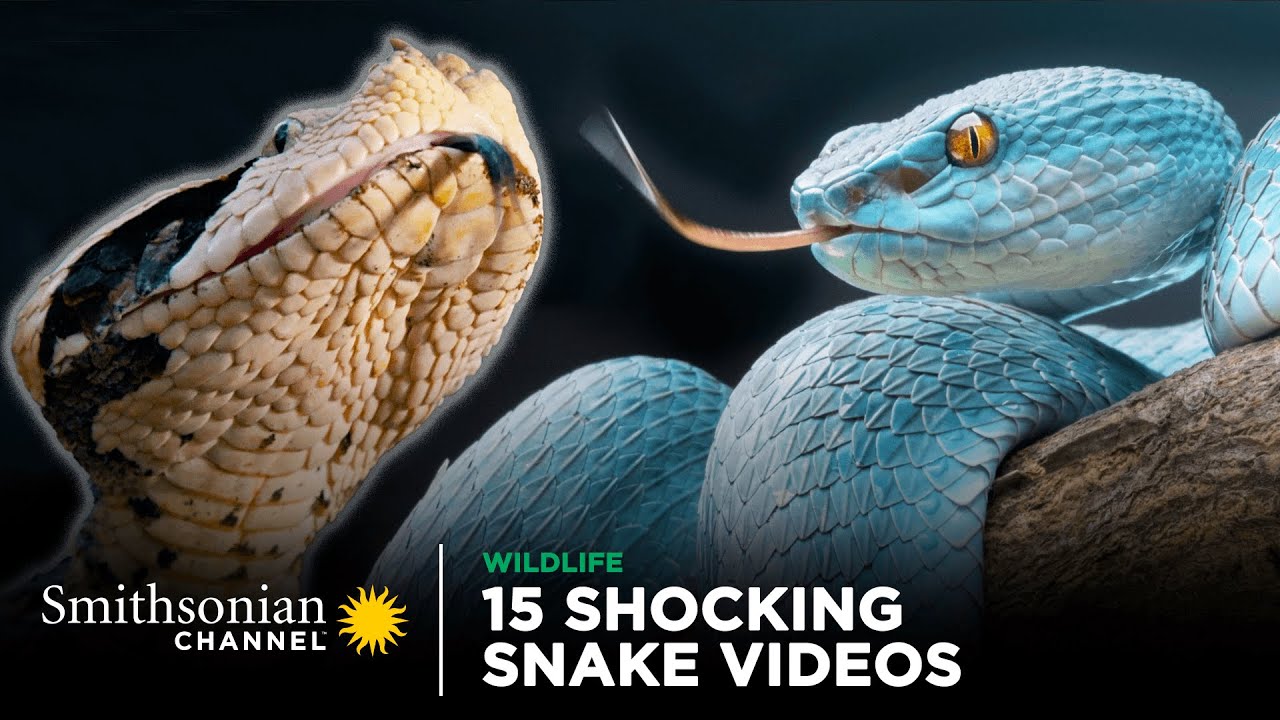
Gaboon vipers are the largest vipers in Africa, weighing more than 20 kg and reaching more than 6 feet. The largest of them have heads nearly 6 inches across at their widest point. These vipers live in rainforests and wet areas in parts of Central, East and West Africa. They are terrestrial and can be found on the forest floor. They eat small and medium-sized mammals and birds. Gaboon vipers are passive hunters, waiting concealed to strike at whatever small creatures pass within range. Most snakes strike and release, but this viper holds on until its prey dies. Gaboon vipers have a peaceful nature and very rarely bite humans. Most bites occur when the snake is stepped on before it has an opportunity to get away. If harassed, it will raise the upper part of its body and hiss in threat before actually striking. In addition to its unwillingness to bite, the viper can control whether it injects venom and how much, so the result of a bite can range from no effect to rapid death. A hungry snake will strike at almost any sideways movement, so some bites might well be a result of mistaken identity. They can inject a large portion of venom into the victim’s body. Records are saying their venom yield can reach even 1000 mg/bite. Symptoms of this snake’s bite include severe shock, hypotension, dyspnoea, heart damage and internal bleeding.
9. PUFF ADDER
The name ‘puff adder’ stems from the snake’s habit of inflating itself and hissing when threatened. The noise produced is a menacing hissing sound and should be construed as a strong warning! The snake itself is somewhat sluggish and generally moves in a rectilinear motion or straight line (like a caterpillar) instead of the twisting motion exhibited by most other snakes. It does, however, possess one of the fastest strikes of all snakes and should be respected at all times! Its stumpy appearance is easily recognised, only growing to a maximum of about 1 meter in length, the chevron-like markings on its back and a large, triangular-shaped head. This snake is responsible for the most snakebites and death cases in Africa. The reasons for this are simple: it is very adaptable, is found in multiple, varied habitats, and it is one of the few lazy snakes. Snakes do not have ears, but they can sense the vibrations caused by footsteps and quickly disappear before their presence is even detected. However, the puff adder is a slow-moving snake and prefers to rely on its brilliant camouflage to remain unseen. What makes this snake so deadly? Its common occurrence, wide distribution, potent venom, large size, and huge, long fangs. 100 mg of this venom is enough to kill a grown adult within a day. Symptoms include nausea and vomiting, oedema, gangrene, hypotension. The mortality rate is around 52%.
8. TIGER SNAKE
Tiger snakes are one of Australia’s most notorious species of venomous snakes. Popular legend has it that the first British settler to die from snakebite in Australia did so within hours of the First Fleet’s arrival, the victim of a tiger snake. Recently, however, human modification of the environment, chiefly for agricultural purposes, has resulted in a decline in the numbers of this species with a concurrent rise in the numbers of eastern brown snakes, the species now responsible for most bites. Tiger snakes are very variable in colour and, despite the name, are often unbanded. Many regional variants exist, including insular forms, which vary in colour and pattern and diet and general ecology.
Contrary to perceived wisdom, tiger snakes are not aggressive, although they will bite if interfered with. Tiger snakes were responsible for 17% of reported and identified snakebites in Australia between 2005 and 2015. 4 out of 119 victims ended up dead. After being bitten, victims can feel tingling, sweating, numbness, followed by difficulties in breathing and paralysis. The mortality rate is between 40%-60%.
7. BLACK-BANDED SEA KRAIT
The Black-banded Sea Krait is a highly venomous unique reptile. They are amphibious; hence, they can live on land or in the ocean.
Повторяем попытку...
Доступные форматы для скачивания:
Скачать видео
-
Информация по загрузке: