Warren Buffett: 3 Things Poor People Buy That Keep Them Poor
Автор: Buffett’s Inner Circle
Загружено: 2026-03-11
Просмотров: 55
Описание:
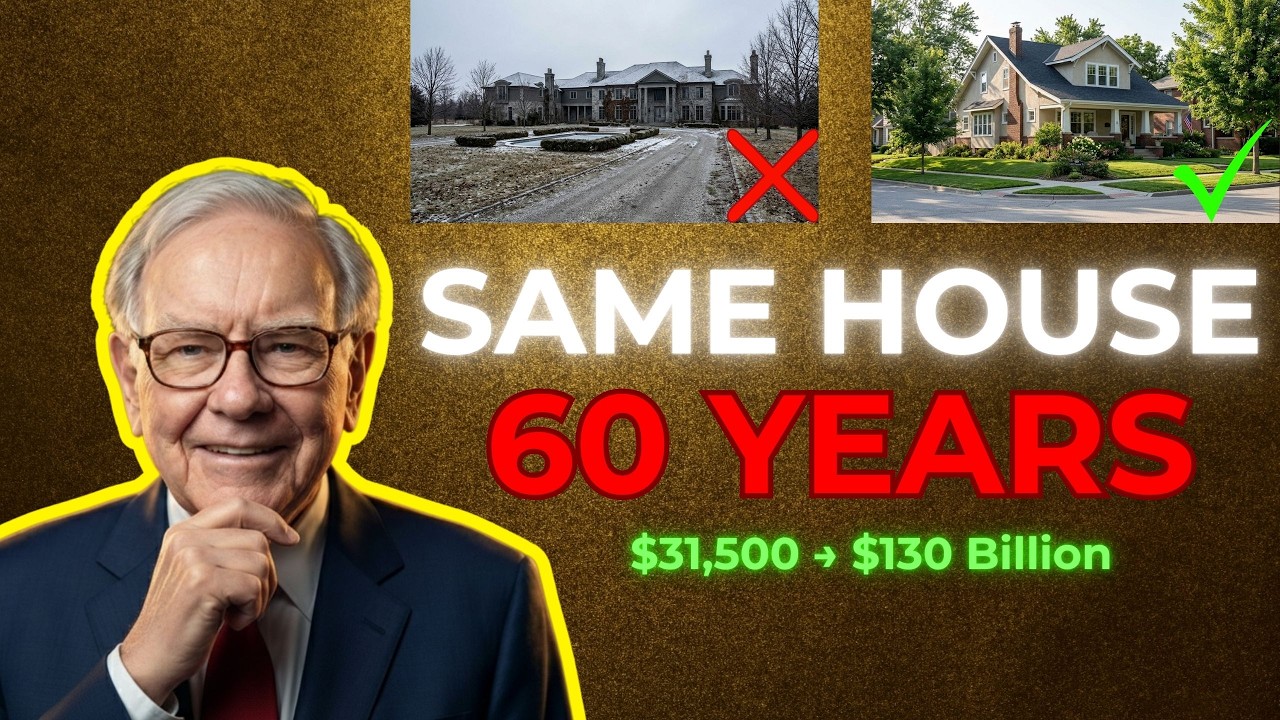
Warren Buffett shares a blunt observation about wealth: poverty often isn’t about income—it’s about repeated financial choices. Many people unknowingly buy the same three things over and over, creating a cycle that keeps them stuck.
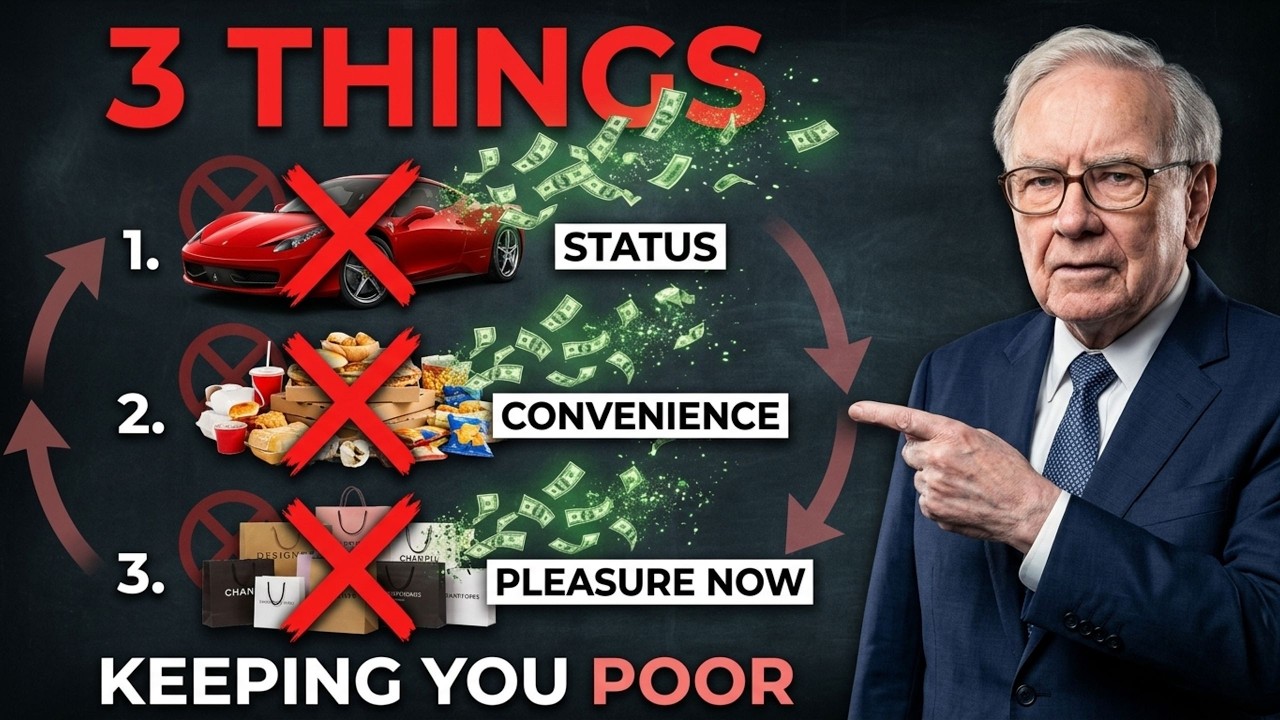
💸 THE 3 PURCHASES THAT KEEP PEOPLE POOR
THING #1: BUYING STATUS INSTEAD OF ASSETS
Many people spend money to look successful rather than to build wealth.
Common status purchases:
New luxury cars
Designer clothing
Expensive weddings or watches
High-end apartments or restaurants
The problem:
Most of these are liabilities—they lose value and cost money to maintain.
Example math:
$5,000 spent on a car upgrade might fall to $2,000 in value within a few years.
The same $5,000 invested at 8% could grow to about $7,350.
Assets vs liabilities:
Asset: Puts money in your pocket (investments, rental property).
Liability: Takes money out of your pocket (depreciating purchases).
Buffett himself famously lives modestly and focuses on owning productive assets rather than displaying wealth.
Key question before buying:
Does this make me richer—or just look richer?
THING #2: BUYING CONVENIENCE INSTEAD OF BUILDING SYSTEMS
Convenience spending feels harmless but can quietly drain long-term wealth.
Examples:
Daily restaurant meals
Constant ride-sharing instead of owning transport
Paying for small tasks repeatedly
Small habits compound:
A $12 daily lunch difference can equal about $3,000 per year.
Invested over decades, that can become hundreds of thousands of dollars.
A better approach is systems thinking:
Meal prep once → multiple meals
Automate savings
Build routines that reduce recurring costs.
Systems require effort upfront but pay dividends for years.
THING #3: BUYING IMMEDIATE GRATIFICATION
The most powerful difference between wealthy and struggling individuals is often time preference.
Immediate gratification spending includes:
Frequent entertainment or nightlife
Gambling or impulse purchases
Subscriptions and small recurring luxuries
Example:
$200 per month spent on short-term pleasure could grow to around $293,000 over 30 years if invested.
The money often exists—it’s simply allocated toward today instead of tomorrow.
A common framework used by investors is “pay yourself first.”
Example budget structure:
Invest first: ~20%
Necessities: housing, food, transport
Lifestyle spending: whatever remains
This ensures the future is funded before discretionary spending begins.
📊 THE LONG-TERM DIFFERENCE
Two people with the same salary can end up in dramatically different positions:
One spends heavily on lifestyle signals and convenience.
The other prioritizes investing and cost-efficient living early.
Over a decade or two, the compounding difference can reach hundreds of thousands—or even millions—of dollars.
The core idea:
Wealth usually grows quietly through assets, discipline, and long-term thinking, while visible spending often creates the illusion of success without the underlying financial foundation.
DISCLAIMER: This video uses AI-generated voice technology to present Warren Buffett's investment philosophy and life principles for educational storytelling purposes. Warren Buffett has publicly discussed his car philosophy and frugal lifestyle in interviews and shareholder letters. The content is for educational purposes only and does not constitute financial advice. Always do your own research before making purchase decisions.
Повторяем попытку...
Доступные форматы для скачивания:
Скачать видео
-
Информация по загрузке: