Week 10: Prima Facie Duties and Competing Moral Principles
Автор: Worldly Philosopher
Загружено: 2024-10-08
Просмотров: 73
Описание:
Week 10: Prima Facie Duties and Competing Moral Principles
This week, we delve into the work of W.D. Ross and his theory of prima facie duties, as well as the moral dilemmas presented in the philosophical short story The Ones Who Walk Away from Omelas by Ursula K. Le Guin.
W.D. Ross’s Prima Facie Duties:
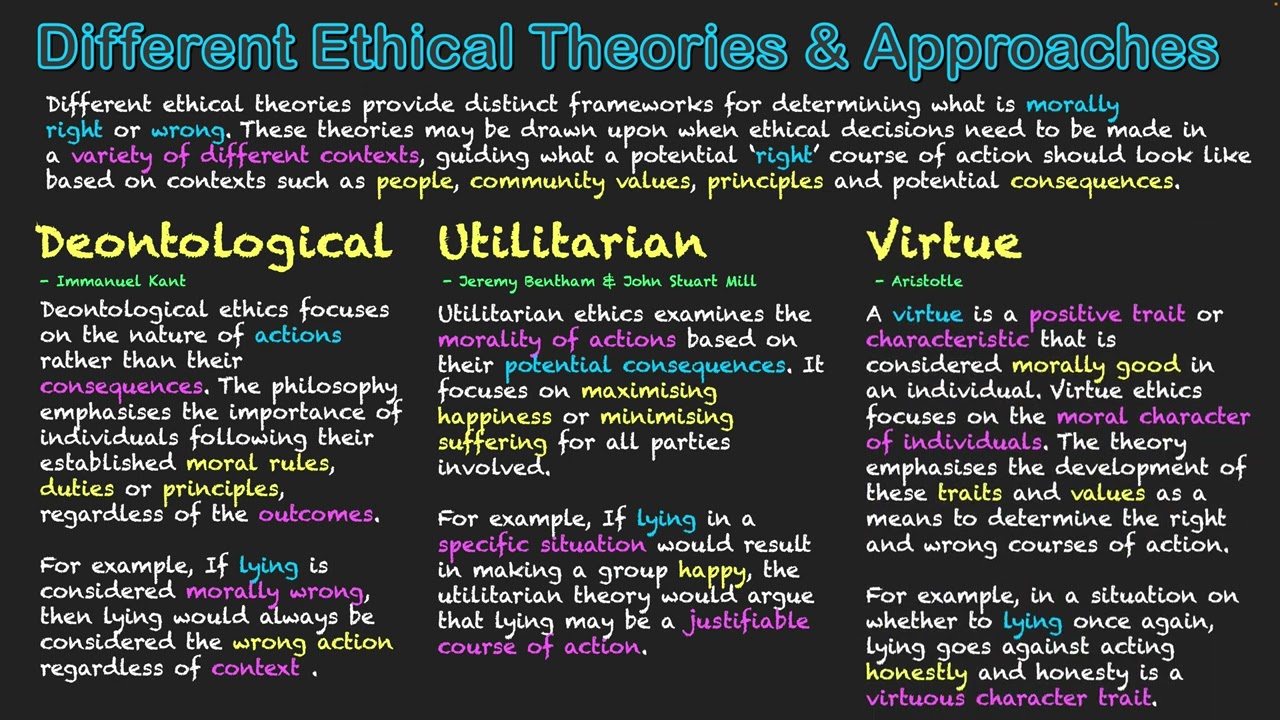
W.D. Ross developed a moral framework that critiques both Utilitarianism and Kantianism. While Utilitarianism focuses on the greatest good for the greatest number and Kantianism emphasizes duty through universal laws, Ross introduces a more flexible approach by acknowledging that moral duties can conflict with one another.
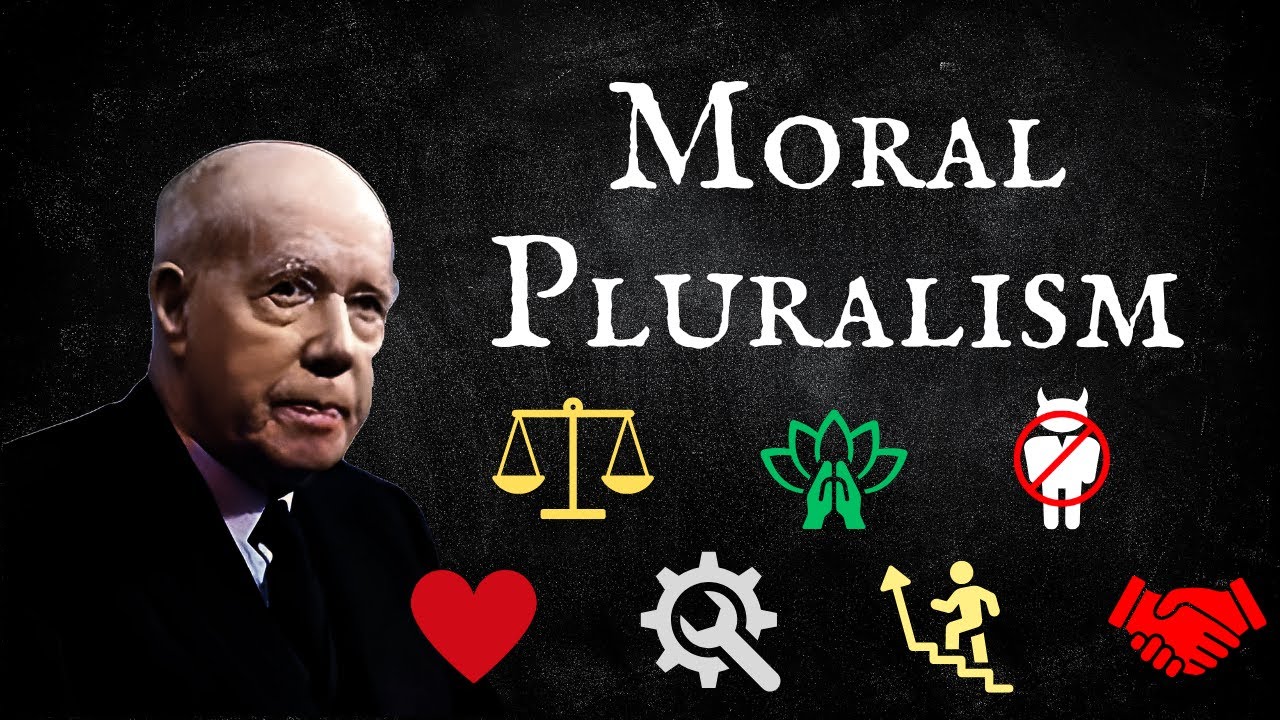
The term prima facie duties refers to moral obligations that are binding at first glance, but may be overridden by stronger duties in certain situations. These duties are not absolute; instead, they are duties we should generally follow unless a more pressing duty takes precedence. Some of Ross’s prima facie duties include:
Fidelity (keeping promises)
Reparation (making amends for harm done)
Gratitude (acknowledging benefits)
Justice (distributing benefits fairly)
Beneficence (helping others)
Self-improvement (bettering oneself)
Non-maleficence (avoiding harm)
According to Ross, when faced with a moral dilemma, we must reflect on the specific circumstances and weigh these competing duties to determine which one takes priority in that moment. This allows for moral flexibility while still recognizing the importance of ethical principles.
Moral Dilemmas in The Ones Who Walk Away from Omelas:
In Ursula K. Le Guin’s The Ones Who Walk Away from Omelas, we encounter a moral dilemma that embodies conflicting duties and principles. The story describes a utopian society where the happiness of the entire community depends on the suffering of a single child kept in miserable conditions. Most of the citizens accept this arrangement, while others—disturbed by the injustice—choose to walk away from Omelas.
This narrative presents us with a powerful moral question: Is it justifiable to allow one person to suffer for the greater happiness of others? Ross’s theory of prima facie duties challenges us to consider competing obligations. In this case, the duty of beneficence (maximizing happiness) conflicts with the duty of justice and non-maleficence (avoiding harm to the child).
Key Takeaways for Week 10:
1. Prima facie duties represent moral obligations that are important but may be overridden when they conflict with more pressing duties in a specific context.
2. Ross’s theory emphasizes the role of reflection in moral decision-making, as we must carefully weigh our obligations when faced with competing moral principles.
3. The Ones Who Walk Away from Omelas illustrates a profound moral dilemma involving conflicting duties, pushing us to reflect on justice, beneficence, and the morality of allowing harm for the greater good.
As you explore these concepts, think about how prima facie duties apply to real-world dilemmas, where multiple moral obligations might conflict. How do we balance our duties, and how can reflection guide us toward ethical decisions in complex situations?
Повторяем попытку...

Доступные форматы для скачивания:
Скачать видео
-
Информация по загрузке: