Why Your Solitude After Trauma Makes You Untouchable - Carl Jung
Автор: Minds & Mirrors
Загружено: 2026-02-27
Просмотров: 21
Описание:
There is a silence that follows certain people after betrayal. Not the silence of emptiness — but the silence of a fortress after the drawbridge has been raised.
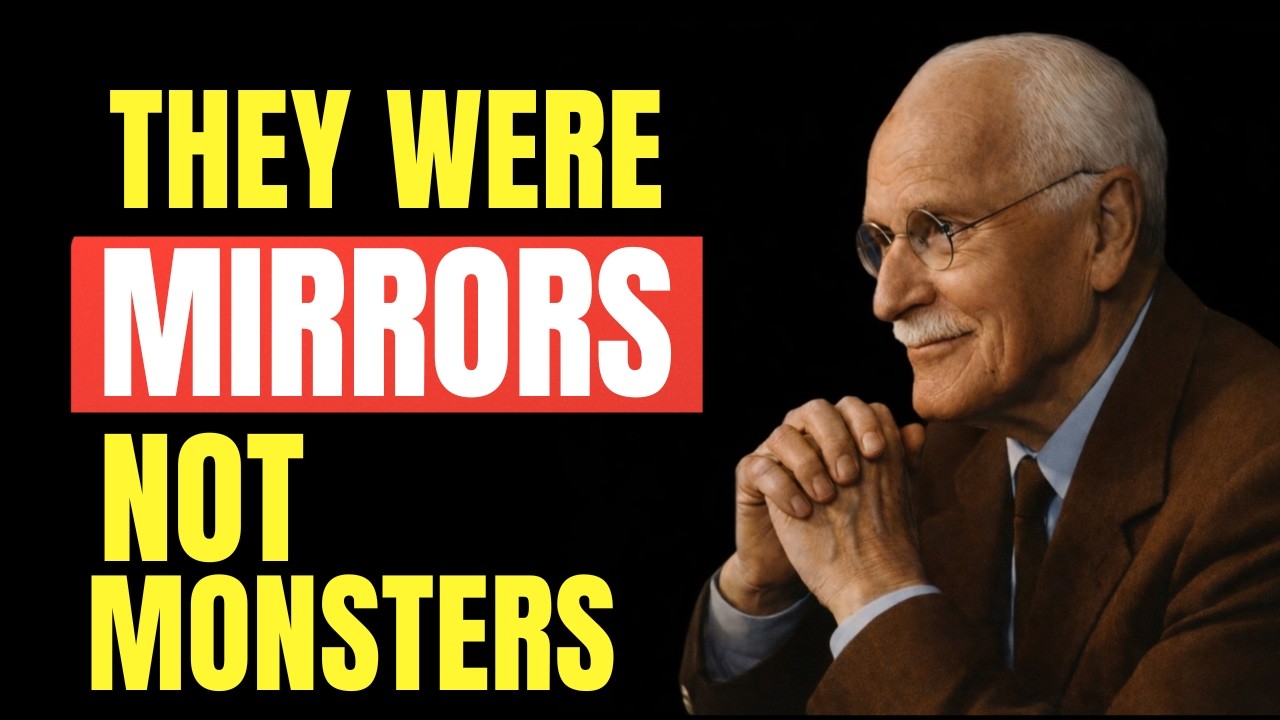
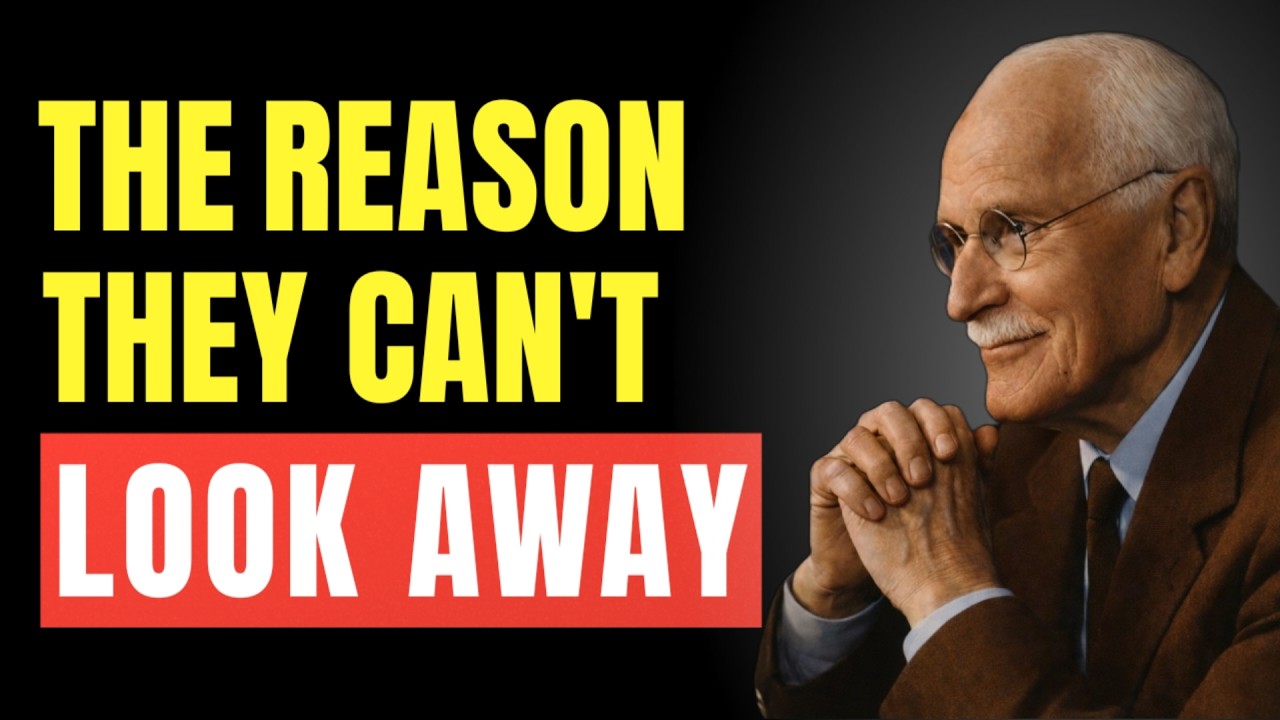
Through the psychological lens of Carl Jung, this transformation can be understood as a radical confrontation with the unconscious. It does not begin as strength. It begins as relational trauma — betrayal, emotional exhaustion, and the collapse of illusion. Many who enter prolonged withdrawal struggle to return fully to themselves. But a rare few pass through the fire of isolation and emerge fundamentally altered.
This video explores what can be described — from a Jungian perspective — as individuation under extreme duress: a psychological reorganization that occurs when a sensitive individual stops performing for approval and begins confronting reality without distortion.
We examine four transformative phases often observed in profound relational wounding:
• The Observation Phase — when hope no longer blinds perception and behavioral patterns become unmistakably clear.
• Shadow Integration — when anger, boundaries, and self-protection are consciously reclaimed instead of suppressed.
• Total Withdrawal — the painful but liberating recognition of betrayal, projection, and self-abandonment.
• The Measured Return — where empathy remains intact, but manipulation no longer gains access.
Drawing on Jung’s writings in Psychological Types, Two Essays on Analytical Psychology, The Undiscovered Self, and Memories, Dreams, Reflections, this exploration looks at shadow projection, individuation, and the psychological strength that develops when one learns to tolerate solitude without collapsing into resentment.
If you have ever been labeled too sensitive, too distant, or too cold simply because you stopped absorbing the emotional chaos of others — this video speaks directly to that experience.
Solitude after trauma is not automatically dysfunction. In some cases, it becomes the crucible in which clarity, boundaries, and self-trust are forged.
You are not broken for withdrawing.
You may be rebuilding.
And what you construct in conscious solitude cannot easily be manipulated again.
Subscribe to Minds & Mirrors for deeper explorations into shadow work, individuation, and the architecture of the human psyche.
References:
Jung, C. G. Psychological Types
Jung, C. G. The Red Book
Jung, C. G. Psychology of the Unconscious
Jung, C. G. Two Essays on Analytical Psychology
Jung, C. G. Memories, Dreams, Reflections
Jung, C. G. The Development of Personality
Jung, C. G. The Undiscovered Self
Aron, E. Research on Highly Sensitive Persons
Sapolsky, R. Research on stress and neural adaptation
Festinger, L. Research on cognitive dissonance
Copyright Disclaimer:
Under Section 107 of the Copyright Act 1976, allowance is made for fair use for purposes such as criticism, comment, news reporting, teaching, scholarship, and research. Non-profit, educational, or personal use tips the balance in favor of fair use.
#psyphoria #depthpsychologyhub #carljungphilosophy #mentaldose #thepsychoanalysis #carljung #surrealmind #relciples #sensitivepsychology #theunconciousguide #motivation
Повторяем попытку...

Доступные форматы для скачивания:
Скачать видео
-
Информация по загрузке:
![🔥[Belyaev_Podcast]🔥 - Выпуск №11: Цена доверия: культура, стратегия и метрики безопасности](https://imager.clipsaver.ru/z1-tpbayXJo/max.jpg)