Typhoon to Tempest: How a Dangerous Fighter Became the Best
Автор: Historical Notes
Загружено: 2026-02-18
Просмотров: 2997
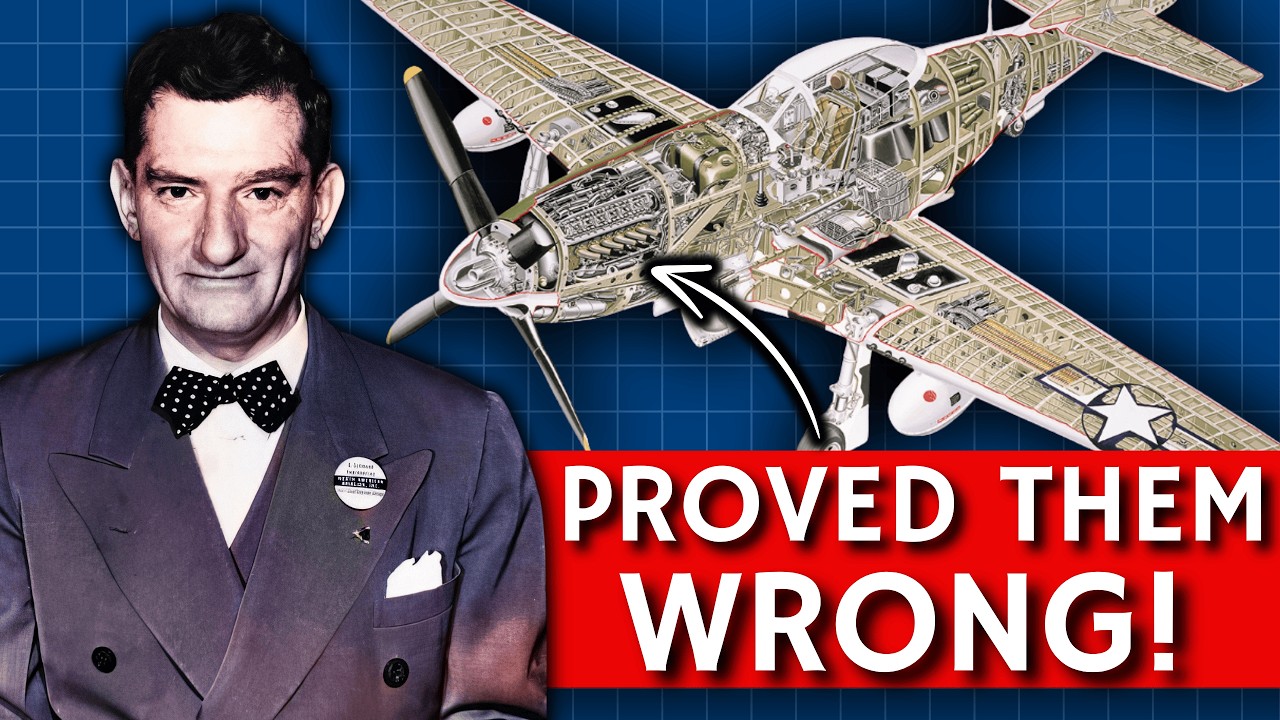
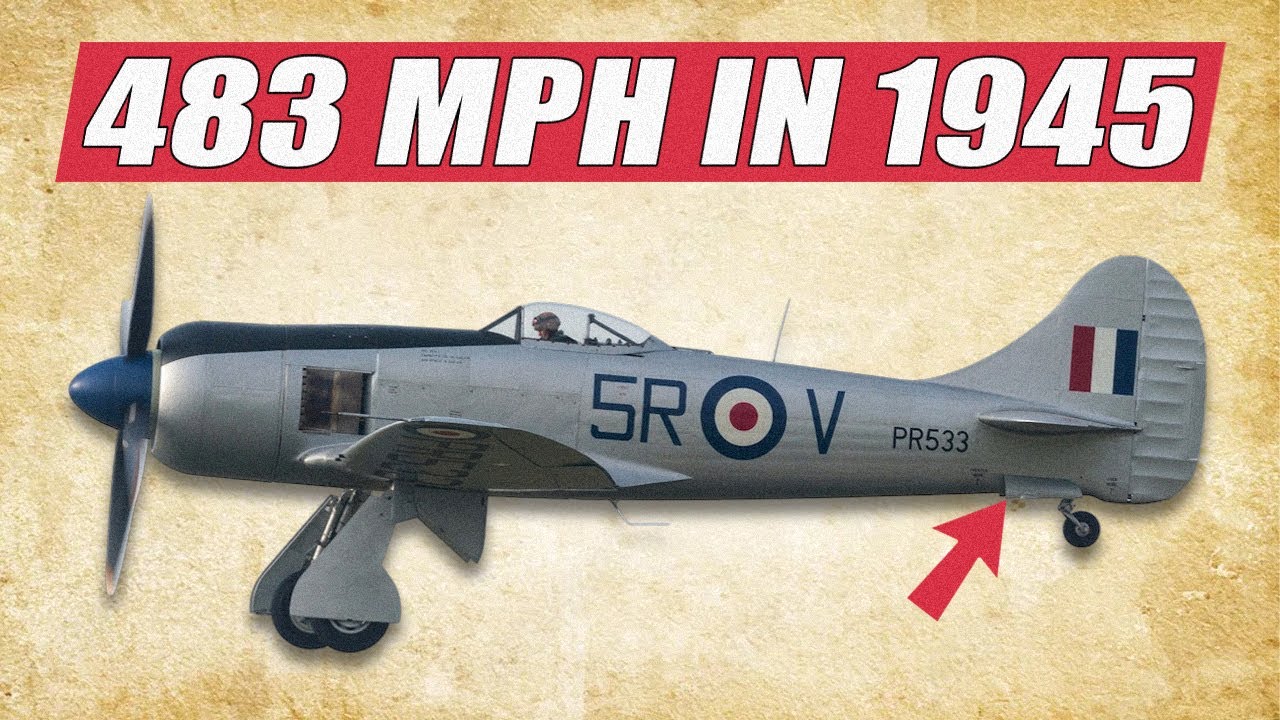
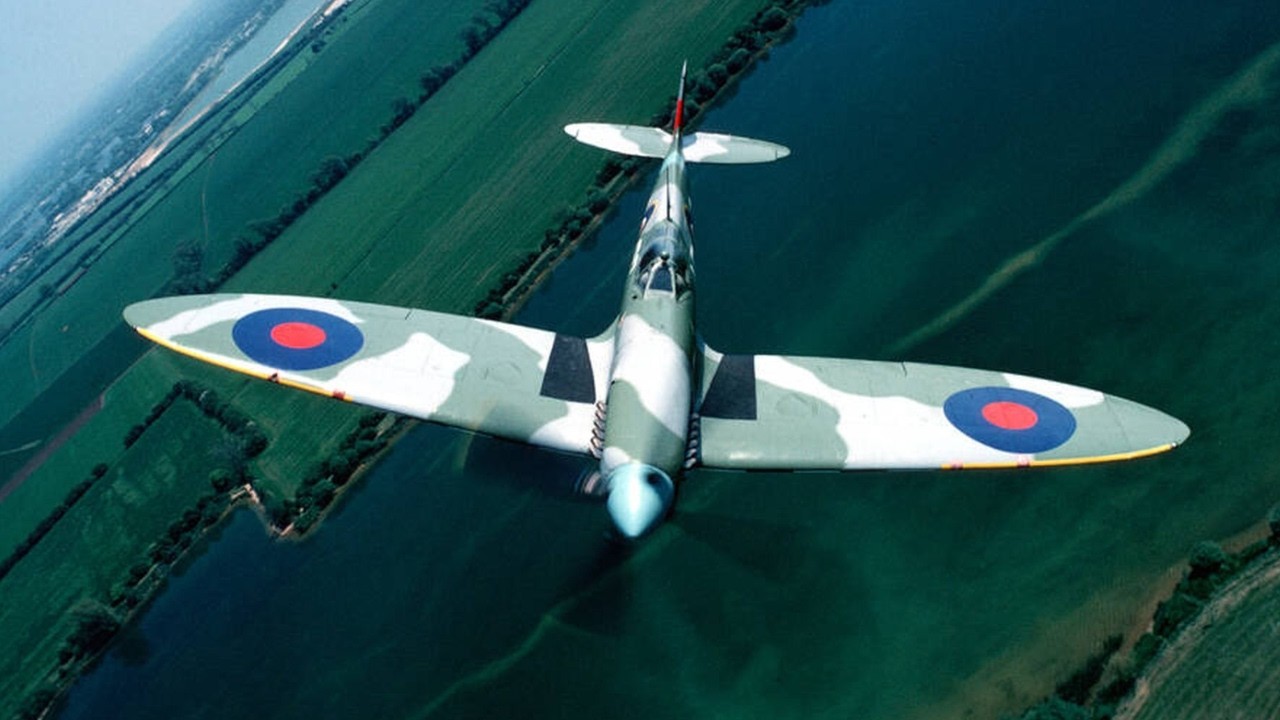
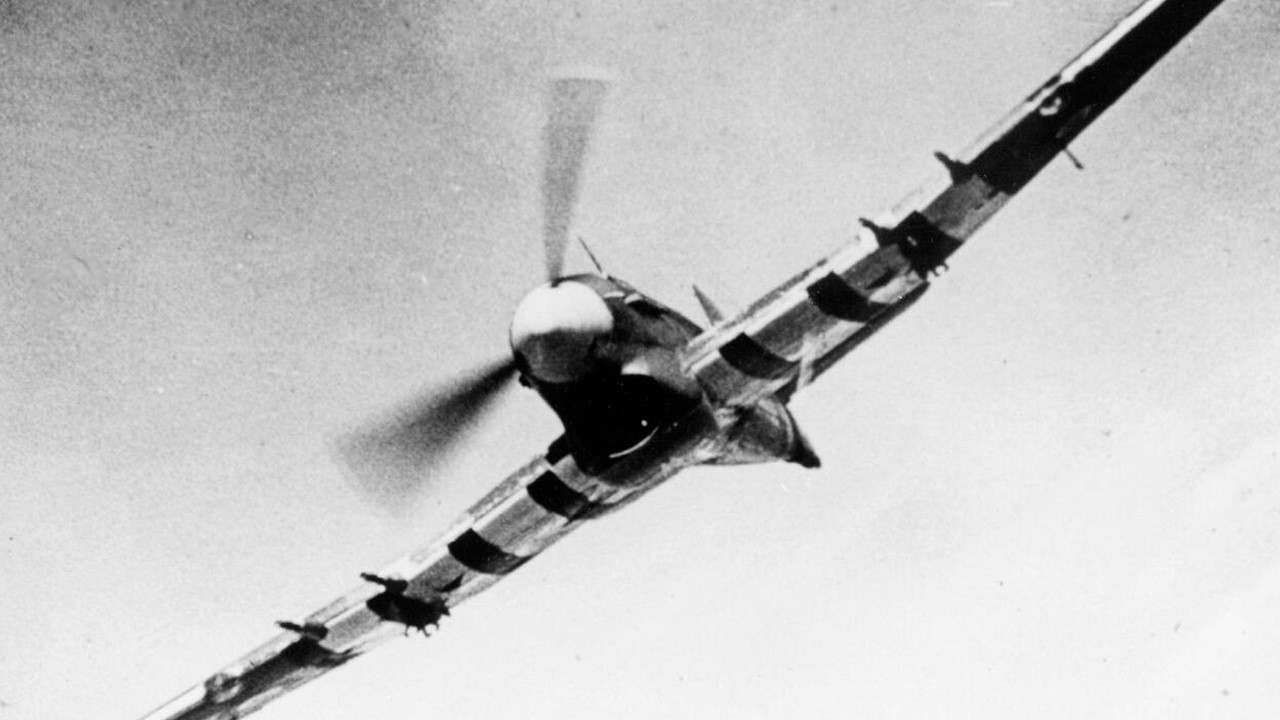
Описание: The Typhoon didn't "completely change the course of the war" — but what it evolved into, the Tempest, became one of the best fighters of the war, and almost nobody tells that part of the story.And that's a problem. Because the Typhoon on its own doesn't make sense. It's a chapter ripped out of a longer book, and when you read it in isolation, you end up doing what most people do — you either overrate it as some kind of war-winning wonder weapon, or you dismiss it as a death trap that got lucky. Both readings are wrong.The real story is an evolution. Four aircraft. One designer. A decade of iteration. Hurricane. Typhoon. Tempest. Sea Fury. Each one built on the bones of the last, each one engineered to kill fewer of its own pilots than the one before. The man drawing the line through all four was Sir Sydney Camm, chief designer at Hawker Aircraft from 1925 until the end of his career — responsible for more than fifty aircraft types, knighted for his contributions, and almost pathologically committed to the idea that you don't start from scratch when something doesn't work. You fix it. Then you fix the fix. Then you fix that.The Hurricane was his starting point. First flight, 6 November 1935, Brooklands aerodrome, Flight Lieutenant P.W.S. Bulman at the controls. It was, honestly, a transitional machine — monoplane wings bolted onto a fuselage still built from tubular steel and covered in fabric, more biplane thinking in a monoplane body than anyone wanted to admit. But it worked. It was rugged. Forgiving to fly. It equipped more squadrons during the Battle of Britain than the Spitfire did and accounted for the majority of aerial victories. Five hundred Hurricanes were in squadron service by September 1939.
Повторяем попытку...
Доступные форматы для скачивания:
Скачать видео
-
Информация по загрузке: