How to design Bt transgenes
Автор: Shomu's Biology
Загружено: 2013-03-17
Просмотров: 15307
Описание:
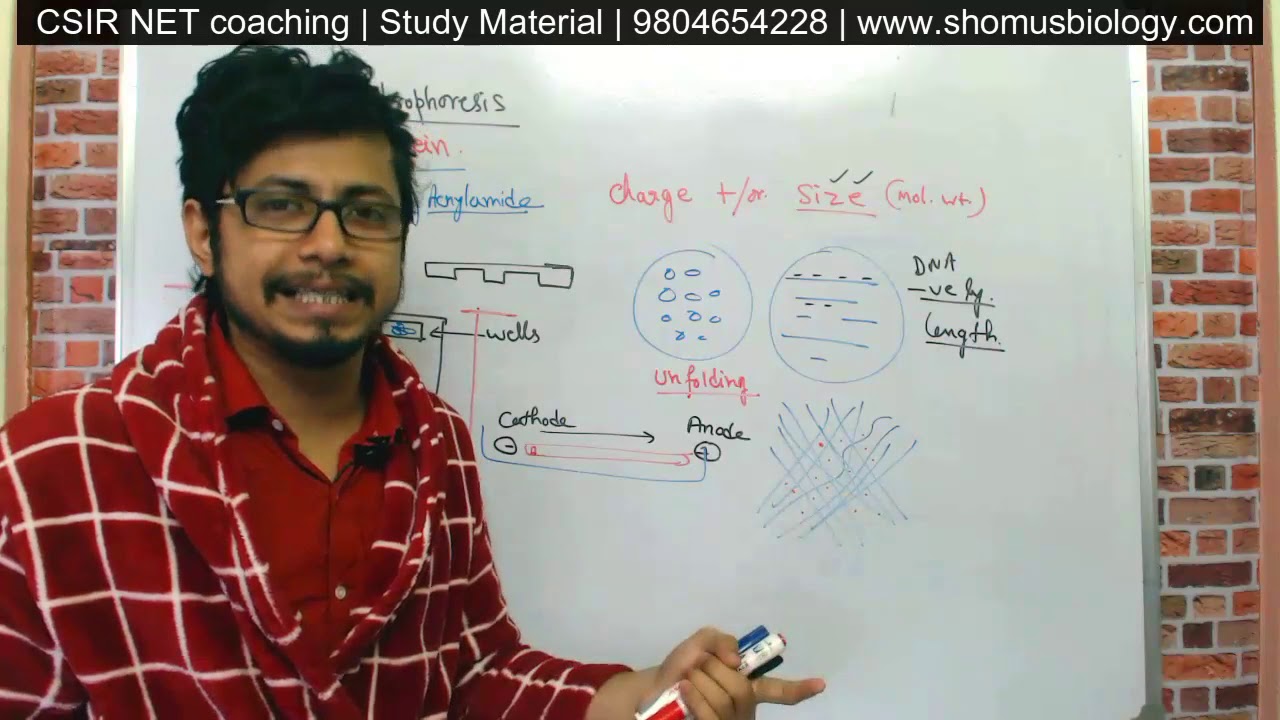
Lecture on How to design Bt transgenes.
http://shomusbiology.com/
Download the study materials here-
http://shomusbiology.com/bio-material...
Remember Shomu’s Biology is created to spread the knowledge of life science and biology by sharing all this free biology lectures video and animation presented by Suman Bhattacharjee in YouTube. All these tutorials are brought to you for free. Please subscribe to our channel so that we can grow together. You can check for any of the following services from Shomu’s Biology-
Buy Shomu’s Biology lecture DVD set- www.shomusbiology.com/dvd-store
Shomu’s Biology assignment services – www.shomusbiology.com/assignment -help
Join Online coaching for CSIR NET exam – www.shomusbiology.com/net-coaching
We are social. Find us on different sites here-
Our Website – www.shomusbiology.com
Facebook page- / shomusbiology
Twitter - / shomusbiology
SlideShare- www.slideshare.net/shomusbiology
Google plus- https://plus.google.com/1136485849827...
LinkedIn - / suman-bhattacharjee-2a051661
Youtube- / thefunsuman
Thank you for watching
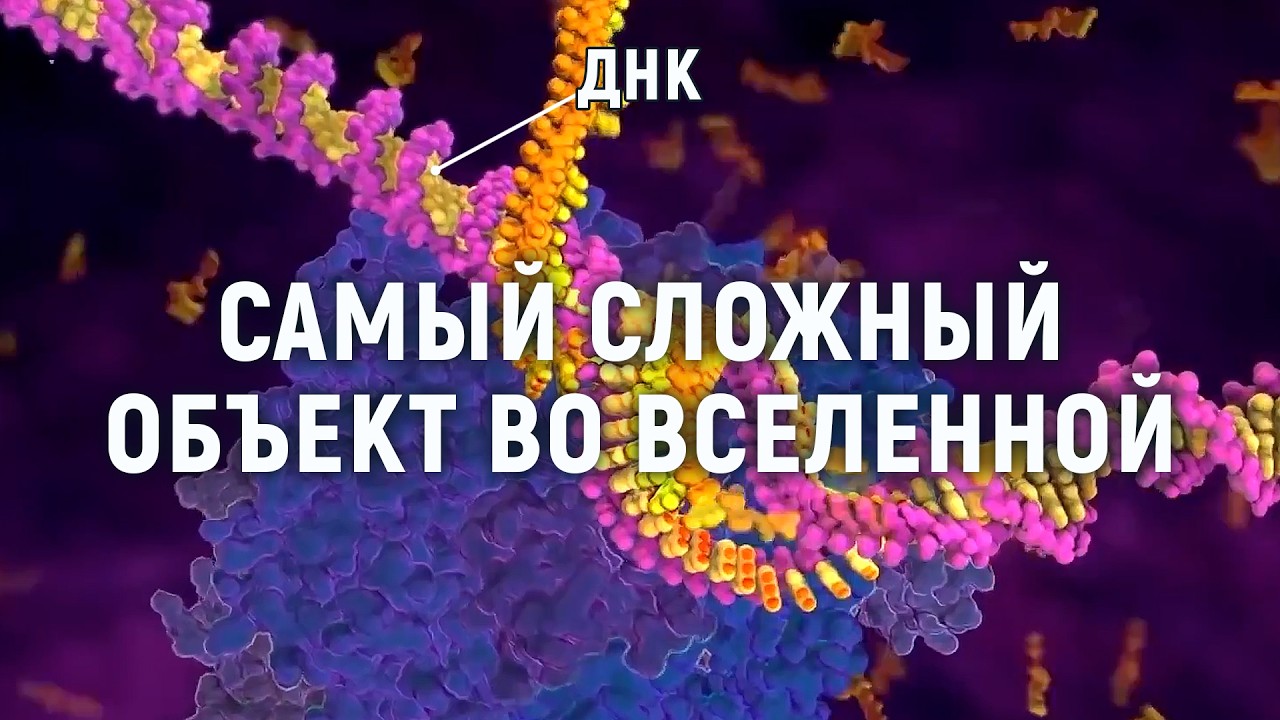
A transgene is a gene or genetic material that has been transferred naturally[1] or by any of a number of genetic engineering techniques from one organism to another.
In its most precise usage, the term transgene describes a segment of DNA containing a gene sequence that has been isolated from one organism and is introduced into a different organism. This non-native segment of DNA may retain the ability to produce RNA or protein in the transgenic organism, or it may alter the normal function of the transgenic organism's genetic code. In general, the DNA is incorporated into the organism's germ line. For example, in higher vertebrates this can be accomplished by injecting the foreign DNA into the nucleus of a fertilized ovum. This technique is routinely used to introduce human disease genes or other genes of interest into strains of laboratory mice to study the function or pathology involved with that particular gene.
In looser usage, transgene can describe any DNA sequence, regardless of whether it contains a gene coding sequence or it has been artificially constructed, which has been introduced into an organism or vector construct in which it was previously not found.
In practical terms, a transgene can be either a cDNA (complementary DNA) segment, which is a copy of mRNA (messenger RNA), or the gene itself residing in its original region of genomic DNA. The difference between these two lies in the fact that the cDNA has been processed to remove introns and also, usually, does not include the regulatory signals that are embedded around and in the gene. The advent of annotated cloned regions of the genome alongside the genome sequence, in particular as large clones in BACs (bacterial artificial chromosomes) or fosmids, and recombineering, which is the method that permits the engineering of these large clones, has changed the practice of transgenesis from its origins with cDNA-based constructs towards the more reliable genomic-based constructs.
Transgenesis is the process of introducing an exogenous gene -- called a transgene -- into a living organism so that the organism will exhibit a new property and transmit that property to its offspring. Transgenesis can be facilitated by liposomes, plasmid vectors, viral vectors, pronuclear injection, protoplast fusion, and ballistic DNA injection.
Transgenic organisms are able to express foreign genes because the genetic code is similar for all organisms. This means that a specific DNA sequence will code for the same protein in all organisms. Source of the article published in description is Wikipedia. I am sharing their material. © by original content developers of Wikipedia.
Link- http://en.wikipedia.org/wiki/Main_Page
Повторяем попытку...

Доступные форматы для скачивания:
Скачать видео
-
Информация по загрузке: