Axis of Autocracies: Russia North Korea Cooperation
Автор: BESTCast News - Breaking Essential Stories Today
Загружено: 2025-07-13
Просмотров: 32
Описание:
*Global Security Shift: Allies Confront Autocracy Axis*
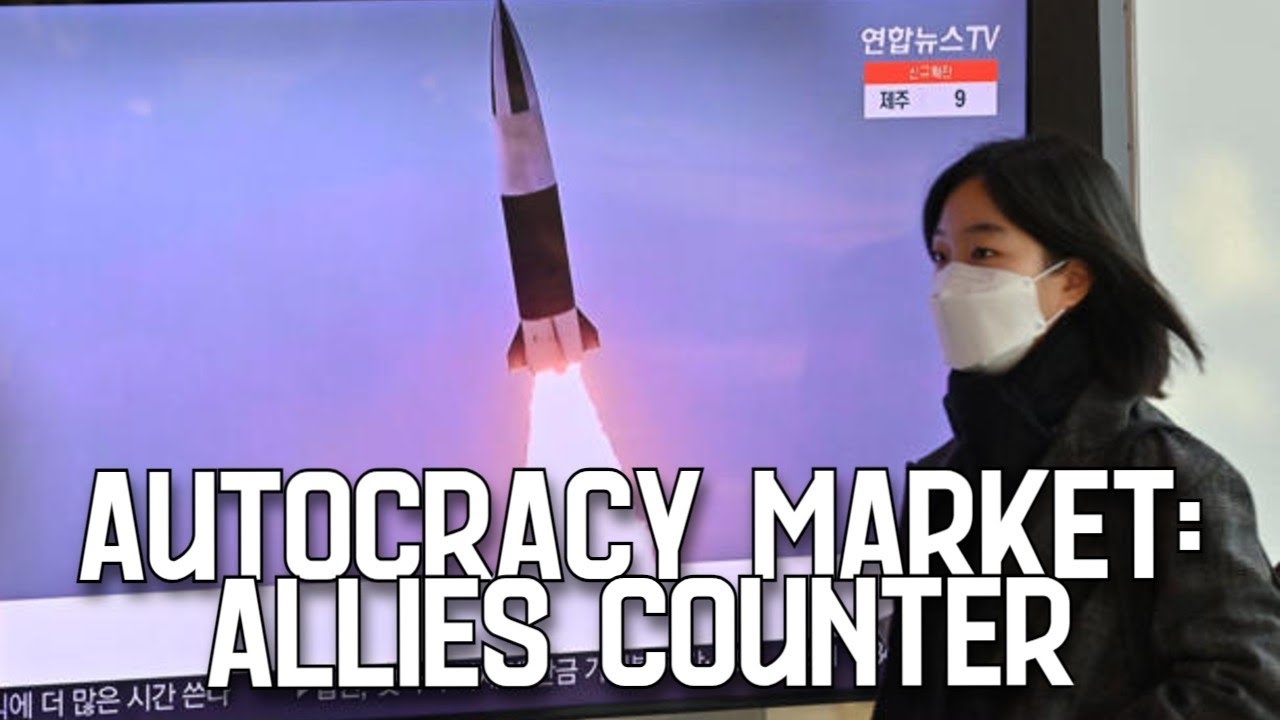
Today on BESTCast News, we examine a critical shift in global security: the emergence of a *"common market of autocracies"* led by deepening *Russia-North Korea military cooperation**. This alliance is now considered the **greatest threat to U.S. national security since the Korean War**, impacting stability across Europe, Asia, and the U.S. homeland. This unique partnership, involving **Russia-North Korea military cooperation**, operates through **barter-like deals* enabling both nations to circumvent traditional financial systems and evade sanctions.
*North Korea supplies Russia* with crucial military aid for the war in Ukraine, including an estimated *5 million rounds of ammunition and scores of ballistic missiles**. North Korea has also **deployed military personnel to Russia* for training and deployment in Ukraine, with some already in combat.
In *return, Russia provides North Korea* with vital technical assistance, including advanced **telemetry, nuclear submarine technology, military satellite wares, and advanced Intercontinental Ballistic Missile (ICBM) technology**. This cooperation could accelerate North Korea's Weapons of Mass Destruction (WMD) program advancements.
The implications of this alignment are far-reaching:
*For Europe**, North Korea's military support significantly exacerbates the war in Ukraine. NATO warns this poses **geopolitical risks* and constitutes a "significant escalation" across both the Indo-Pacific and Euro-Atlantic areas.
**In the Indo-Pacific**, concerns rise about North Korea's **nuclear and missile proliferation**. Kim Jong-un's defense plan includes new nuclear-capable submarines and tactical nuclear weapons. Advanced ICBMs could enable North Korea to target the U.S. homeland. This relationship destabilizes the Korean Peninsula and Asia, potentially increasing U.S. military presence in China's neighborhood and risking nuclear domino effects. South Korea's offensive military strategy, the "three-axis system," aims to deter aggression, yet risks miscalculation and unintended escalation.
The international nonproliferation regime is also being undermined, notably by Russia's March 2024 veto of a UN watchdog on North Korean proliferation, aiming to dismantle the UN sanctions regime.
In response, the U.S. views this as a "matter of deep concern". The Biden administration has *declassified intelligence* and initiated *unprecedented defense exercises with Japan and South Korea* to enhance deterrence. The **American–Japanese–Korean trilateral pact**, announced in August 2023, commits the three countries to collective security and enhanced ballistic missile defense.
Recommended strategies to counter this threat include:
Prioritizing policies to *disrupt the arms trade* between Russia and North Korea.
Mobilizing European allies at G7 and NATO conferences to apply *economic and diplomatic pressure* on Pyongyang.
Considering a *collective defense declaration* at the July 2024 NATO summit with South Korea, Japan, and potentially Australia and the Philippines, stating "a threat to one is a threat to all".
*Leveraging China's unhappiness* with the closer ties, as Beijing is North Korea's economic lifeline and shares an interest in preventing regional instability.
Launching a *human rights and information penetration campaign* with European support.
The broader **U.S. Indo-Pacific Strategy**, published in February 2022, emphasizes strengthening alliances, bolstering security, and enhancing deterrence.
This "common market of autocracies" demands continuous vigilance and adaptable policy tools, as escalating cooperation enables both Russia and North Korea to pursue urgent national goals, complicating global security.
Повторяем попытку...
Доступные форматы для скачивания:
Скачать видео
-
Информация по загрузке: