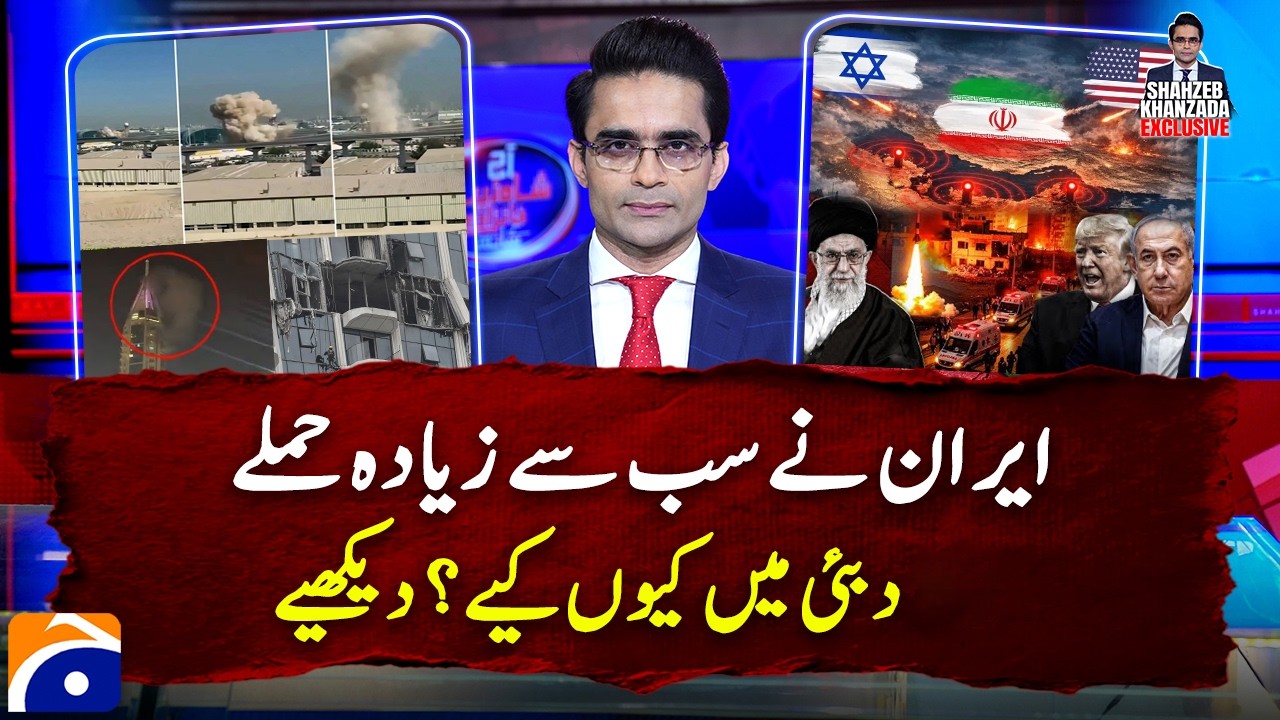
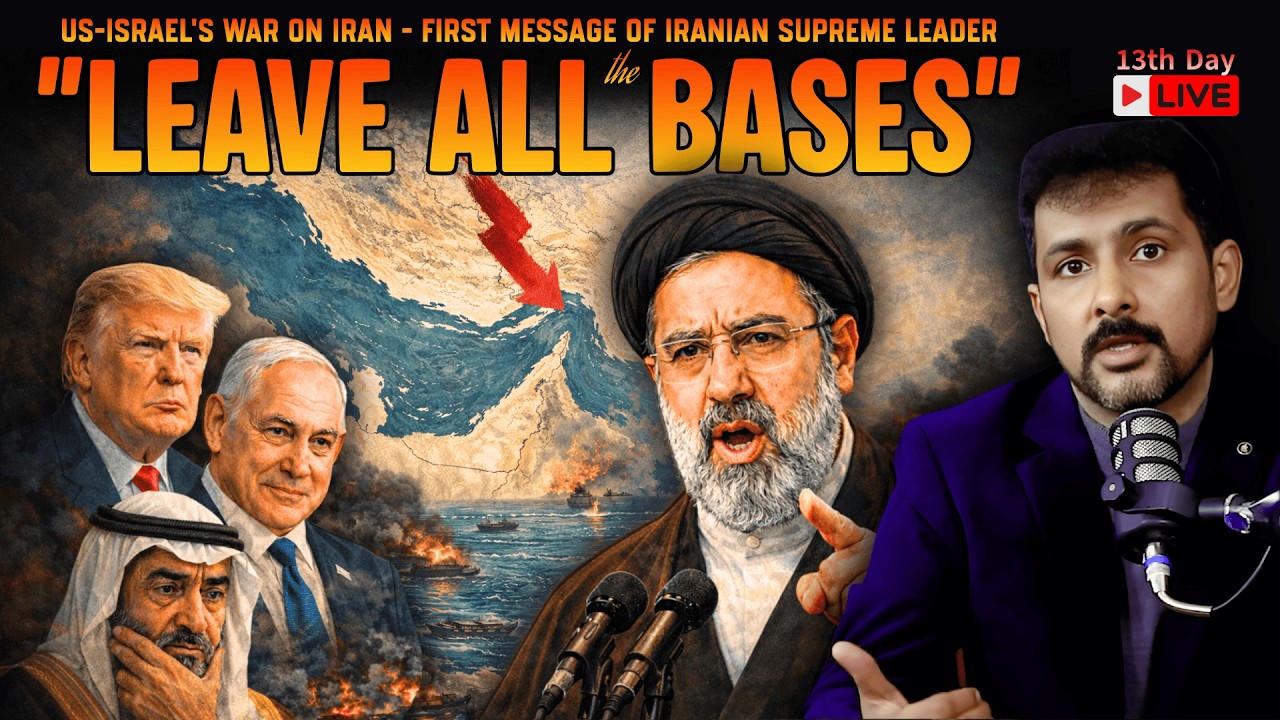
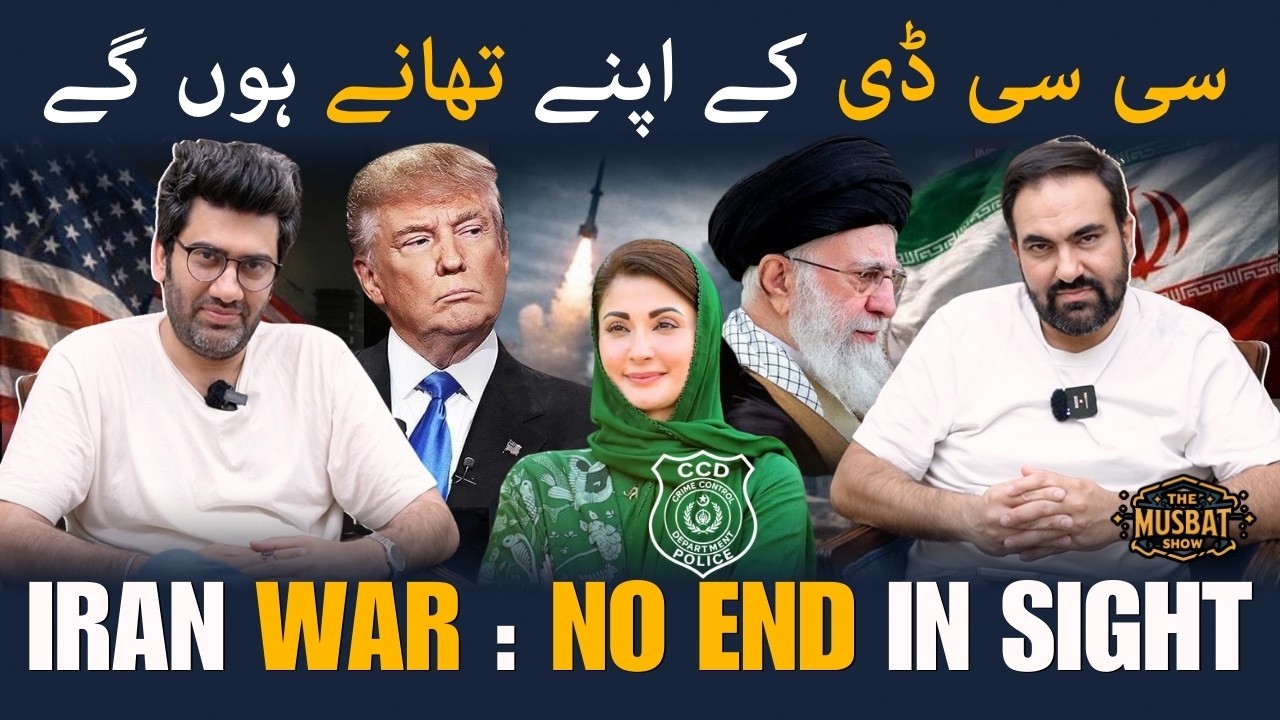
13 Days of War: Why the U.S. and Iran Aren't Stopping
Автор: The Musbat Show
Загружено: 2026-03-11
Просмотров: 2334
Описание:
13 Days of War: Why the U.S. and Iran Aren't Stopping
#USIranConflict #MiddleEastWar #Geopolitics #OilPrices #GlobalEconomy #TheMusbatShow #Tehran #Washington #DiplomacyCrisis #13DaysOfWar
TIMESTAMPS:
[00:00] Overview of 13 days of conflict
[04:15] Why the U.S. and Iran refuse to de-escalate
[09:30] The role of regional proxies and the Axis of Resistance
[14:45] Impact on global oil prices and shipping routes
[19:20] The domestic political pressures in Washington and Tehran
[23:10] Analysis of failed diplomatic back-channels
[26:00] Final thoughts: What happens on Day 14?
Thirteen days into a conflict that has reshaped regional dynamics, the cycle of escalation between the U.S. and Iran continues. We break down the strategic reasons why neither side is backing down, the failed diplomatic attempts, and what this means for the global economy and regional stability.
🔥 SUPPORT THE MUSBAT SHOW:
💳 Patreon: www.patreon.com/aliaftab_saeed
💰 JazzCash/EasyPaisa/Raast: 0325 6555592
Do you think a full-scale regional war can still be avoided? Comment below!
⚔️ The 13-Day Deadlock
The conflict has officially crossed the 13-day mark with no ceasefire in sight. Both Washington and Tehran are caught in a "trap of credibility" where retreating feels like a strategic defeat. Despite back-channel communications, the kinetic actions on the ground are speaking louder than diplomacy.
🇺🇸 The U.S. Strategic Dilemma
The United States finds itself balancing between domestic political pressure to show strength and the strategic need to avoid another "forever war" in the Middle East. With an election cycle looming, every strike and counter-strike is scrutinized for its impact on the polls and global oil prices.
🇮🇷 Iran’s Proxy Network and Posture
Iran continues to utilize its "Axis of Resistance" to exert pressure without engaging in a direct conventional war. By maintaining a high-threat posture, Tehran aims to force a U.S. withdrawal or at least a significant reduction in regional influence, betting that the West’s appetite for conflict is low.
📉 Economic Fallout and Global Trade
The ripples of these 13 days are being felt in global shipping lanes. Insurance premiums are skyrocketing, and the threat to the Strait of Hormuz remains the ultimate "red line" for the global economy. We analyze how this uncertainty is impacting developing nations and energy-dependent markets.
🕊️ The Failure of International Diplomacy
Why have the UN and regional mediators failed to broker even a temporary pause? The divergence in core interests and the lack of a "neutral" arbiter have left the field open for further escalation. The rhetoric on both sides has reached a point where compromise is viewed as a sign of weakness.
HOSTS: @asadniz1 @AliAftabSaeed
The Musbat Show: Critical analysis on Pakistan's current affairs, global geopolitics, and social issues.
TITLES:
13 Days of War: Why the U.S. and Iran Won't Stop
U.S. vs Iran: The Strategic Trap Explained
Middle East Crisis: Is De-escalation Even Possible?
Повторяем попытку...
Доступные форматы для скачивания:
Скачать видео
-
Информация по загрузке: