Long Exposure Photography - Lesson 29 Phone to Camera Course
Автор: Kevin LJ
Загружено: 2024-01-18
Просмотров: 145
Описание:
For exclusive insights, behind-the-scenes stories, and to connect with our growing community, join me over on Substack:
https://kevinlj.substack.com/ For $2 you can download the PDF for the practical exercise for Lesson 29 here.
https://www.buymeacoffee.com/kevinlj/...
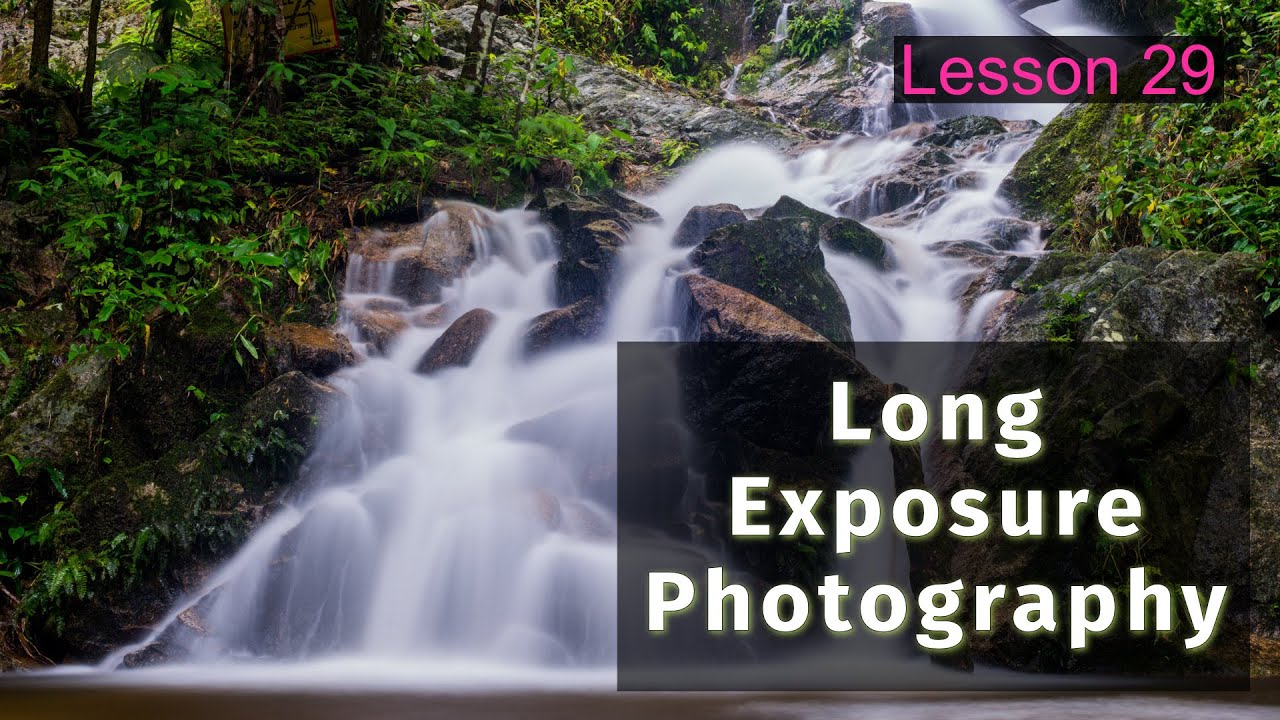
Long exposure photography can be a lot of fun. Using slower than normal shutter speeds you can create photos to show them in ways that are not possible to see with our eyes. The duration the camera’s shutter remains open for can create interesting effects that we never see naturally. This is a unique aspect of photography.
As with making any photo, the key is in first balancing your shutter speed with your aperture and ISO settings so you get a good exposure. The key is to figure out what shutter speed produces the most interesting effect and then manage your other exposure choices so the camera’s sensor receives the right amount of light.
You can take photos of any subject you like and use a slow shutter speed. Even if a subject does not appear to be moving, making a long enough exposure of it might result in a photo that looks very different from how you actually saw your subject.
Low light situations are the easiest when you’re first experimenting with long exposures. When there’s a lot of light you don’t have so much flexibility to make very long exposures. You need to use special neutral density filters on your lens to reduce the amount of light and allow for longer exposure times.
A good, sturdy tripod makes long exposure photography easier and more fun. Unless you are making photos with intentional camera movement, you don’t want your camera to move at all during a long exposure. You can use a light weight tripod or rest your camera on a firm surface, but you’ll risk ruining your images if the camera moves even slightly during the exposure.
- -
Making the switch from taking photos with your phone to using a camera requires some changes. Phone cameras make it easy to take snapshot images. To use a camera well, you need to control it and understand how to take great photos. Using a camera is so much more fun and the quality of your photos will improve dramatically ... once you know what you're doing.
This course contains 30 lessons and practical exercises designed to get you started using your camera. I focus on the differences you can expect between using your phone and your camera to take photos. No matter what camera you use, taking photos happens the same way. Light enters the camera (or phone camera) through a lens. The right amount of light must enter to record a well-exposed photograph with the camera's sensor. With your phone, this process is fully automated and generally produces bland, uncreative results.
Using your camera you can control the light, timing, focus, composition, and more. With this course, I'll teach you all about how to enjoy doing this. I've been taking photos since I was a teenager, most of my working career I've been a professional photographer. I also have many years of experience teaching new and experienced photographers about their cameras and the craft of photography. You'll see how I work when I'm demonstrating the practical exercises that accompany every lesson.
Each exercise has a .pdf document to help guide you through what to do to complete it. I designed this course so you can complete it easily in one month and change your photography experience in just a short amount of time. Each lesson is short and concentrates on a single topic. There's a clearly explained practical exercise with each lesson. Take as long or as little time as you like to complete the exercise and you're sure to experience growth and development in your photography. You'll see the results in the photos you're taking. You'll easily retain what you learn and put it into practice every time you use your camera.
Повторяем попытку...
Доступные форматы для скачивания:
Скачать видео
-
Информация по загрузке: