Mexican family preserve ancient production of precious red dye
Автор: AP Archive
Загружено: 2023-09-06
Просмотров: 792
Описание:
(2 Sep 2023)
MEXICO RED DYE
SOURCE: ASSOCIATED PRESS
RESTRICTION SUMMARY:
LENGTH: 2.38
ASSOCIATED PRESS
San Francisco Tepeyacac, Mexico - 24 August 2023
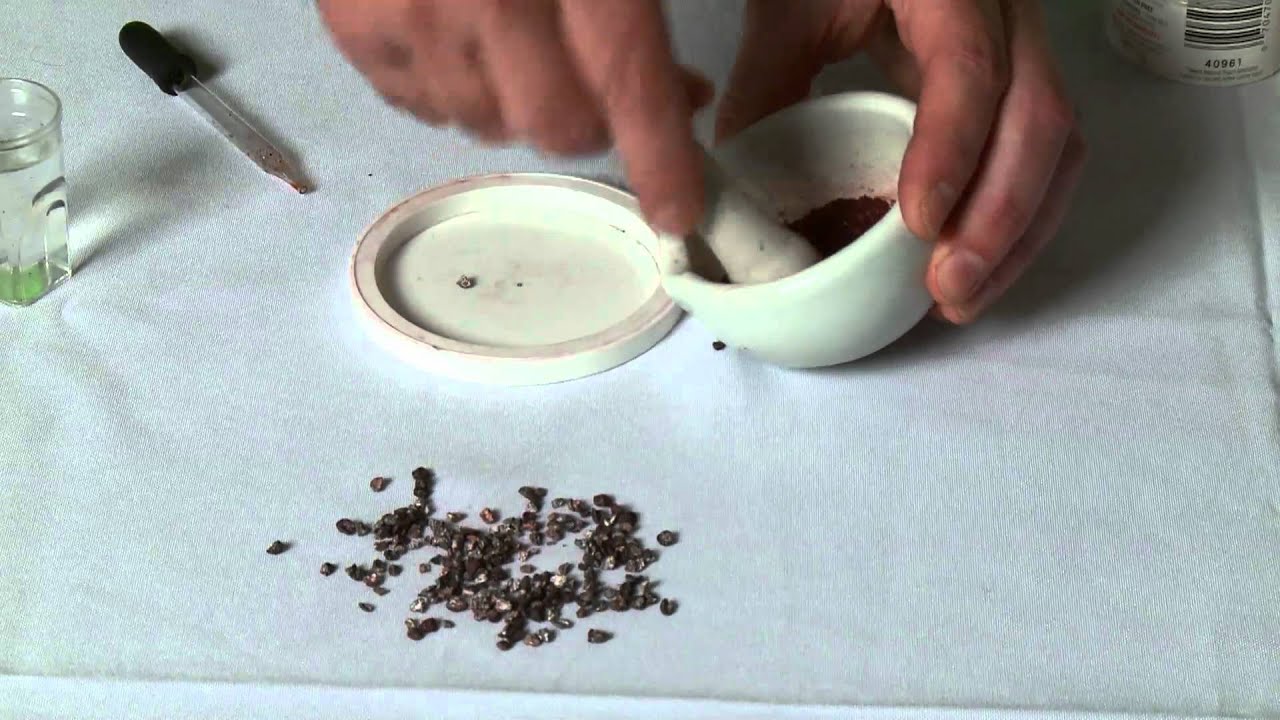
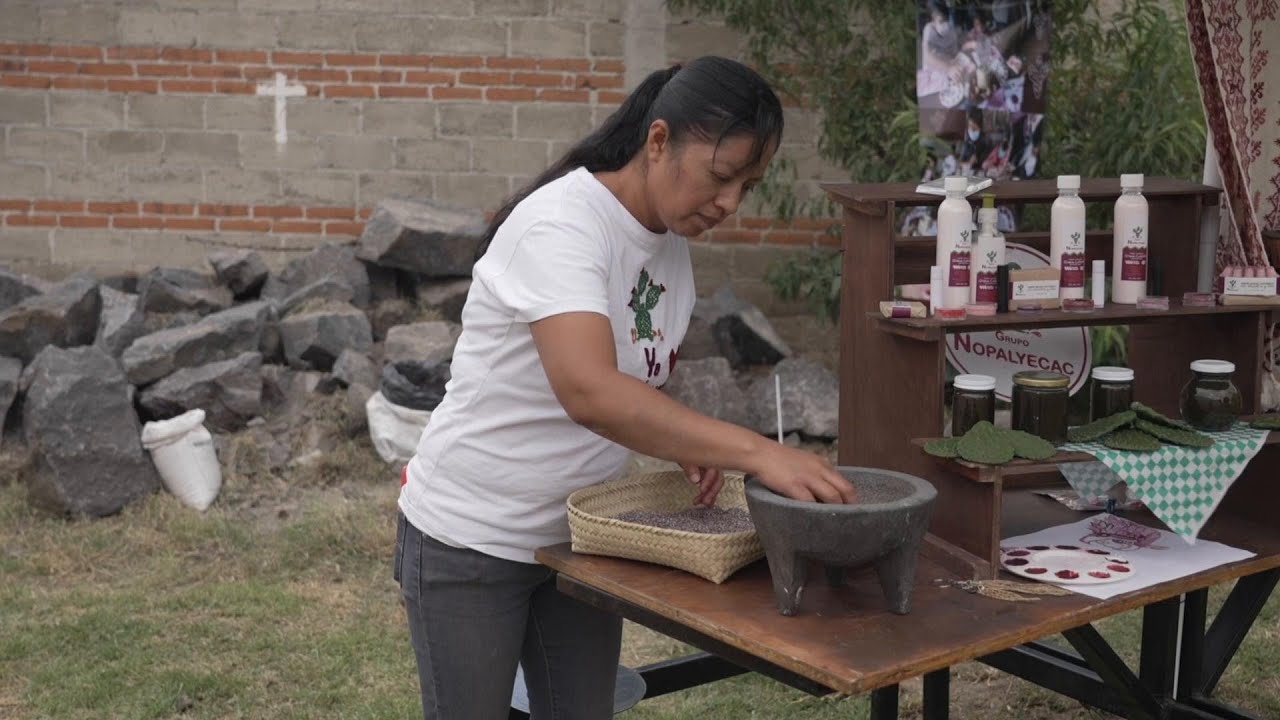
1. Various of Mayeli Garcia selecting and grinding the dried bodies of female Dactylopius coccus insects
2. Various of freshly grounded cochineal dye
3. SOUNDBITE (Spanish) Mayeli Garcia, cochineal dye producer:
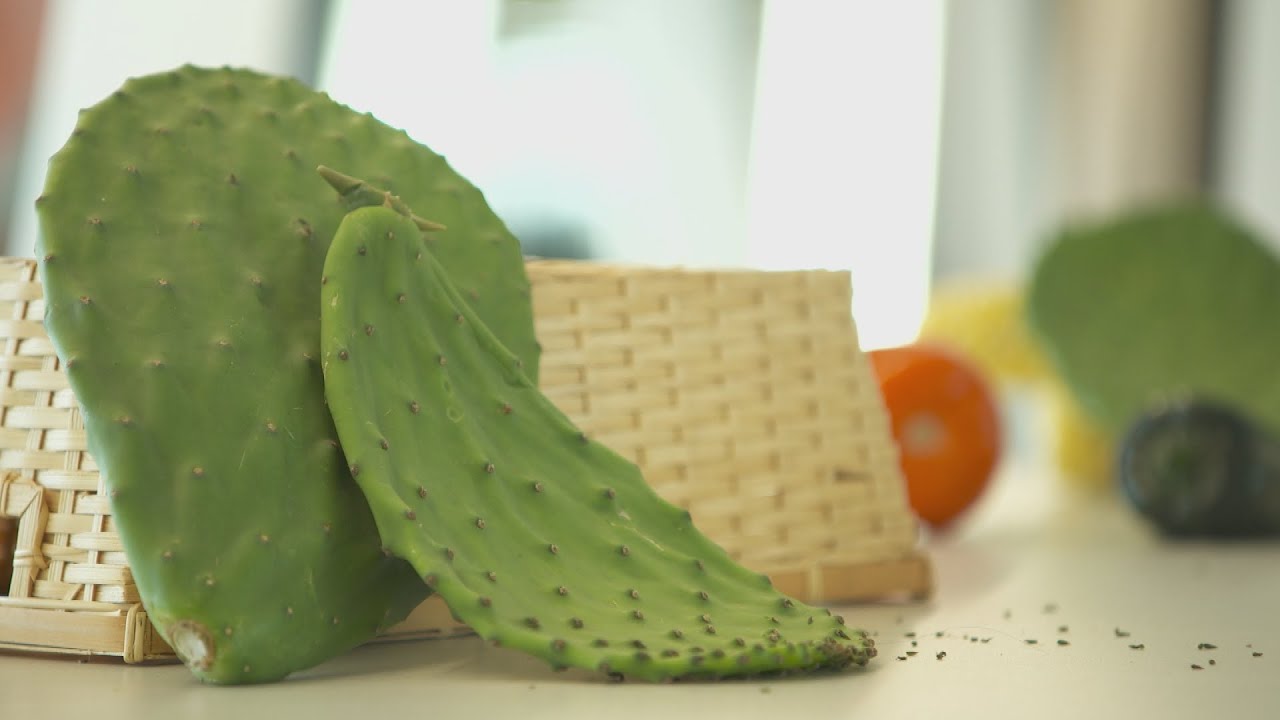
"The cochineal red dye is a dye that has been cultivated here in Mexico since pre-Hispanic times, our ancestors harvested it in an artisanal way. It is a parasite of the nopal cactus and feeds on it by subtracting all its nutrients."
4. Various of Mayeli Garcia's family harvesting the insects from nopal cactus pads
5. SOUNDBITE (Spanish) Mayeli Garcia, cochineal dye producer:
"It is a lot of work, very laborious. It costs a lot to produce in terms of labour and in terms of cost. It is difficult, but what motivates us is to think that if we stop producing it, there will be even fewer producers."
6. Various of Mayeli Garcia checking the infested nopal cactus pads
7. Insects feeding on a pad ahead of the harvest
8. SOUNDBITE (Spanish) Mayeli Garcia, cochineal dye producer:
"More people have become aware of the importance of keeping our culture alive, the legacy of our ancestors. Artisans who dye garments have more awareness and highly value the cochineal dye, as well as those who look for those garments that have a higher value for being high quality garments. This helps to be sought after so that this activity won't be lost."
9. Various of Mayeli Garcia's family harvesting the insects from nopal cactus pads
STORYLINE:
LEADIN:
Mexico’s bright, carmine red dye produced from farmed insects was once considered almost as precious as silver and gold, but its use has waned with the growth of chemical products.
Traditional production methods are seen as costly and labour intensive, but one Mexican family is striving to keep them going.
STORYLINE:
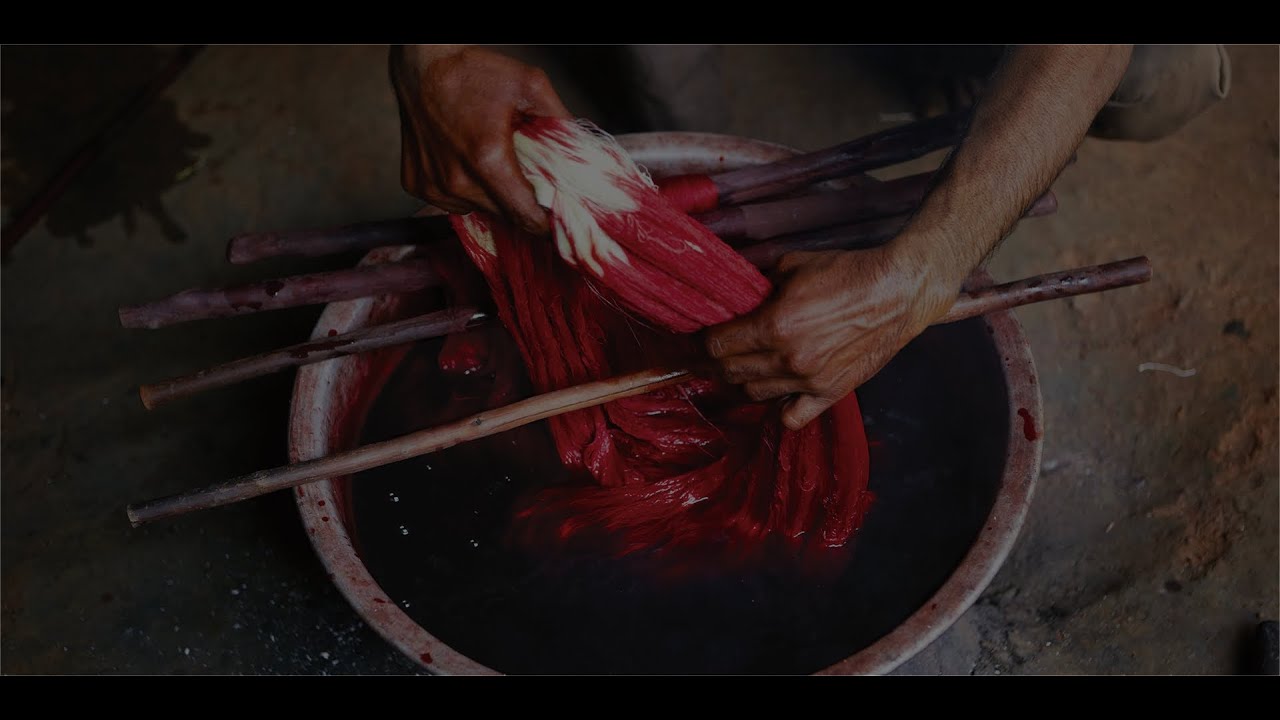
Mayeli Garcia is making cochineal dye - an intense, natural red pigment - once so prized that, after gold and silver, it was probably the most valuable thing the Spaniards found in Mexico after the 1521 conquest.
The Mixtecs of Oaxaca first developed the method to obtain the precious pigment centuries before the Spaniards arrived.
A symbol of status, carmine red was already employed by the nobility of indigenous people to dye garments, and widely used in the arts, to write codices, decorate ceramics and paint murals.
It comes from the crushed bodies of tiny female insects that contain carminic acid and feed on the pads of nopal cactus plants.
Each insect, known as Dactylopius coccus, must be bred to a larvae stage and ‘planted’ on a previously wounded cactus pad, and then left for months to feed and mature.
Then each must be harvested by hand, usually with a tiny brush, sifted, cleaned and left to dry in the sun.
Garcia and her family run a greenhouse in the village of San Francisco Tepeyacac, east of Mexico City, which specializes in this ancient production process.
They are one of the few producers that still exist in Mexico.
"It is a lot of work, very laborious. It costs a lot to produce in terms of labour and in terms of cost. It is difficult, but what motivates us is to think that if we stop producing it, there will be even fewer producers," says Garcia.
By the 1800s, synthetic chemical dyes, cheaper to produce and more plentiful, began to replace cochineal dyes.
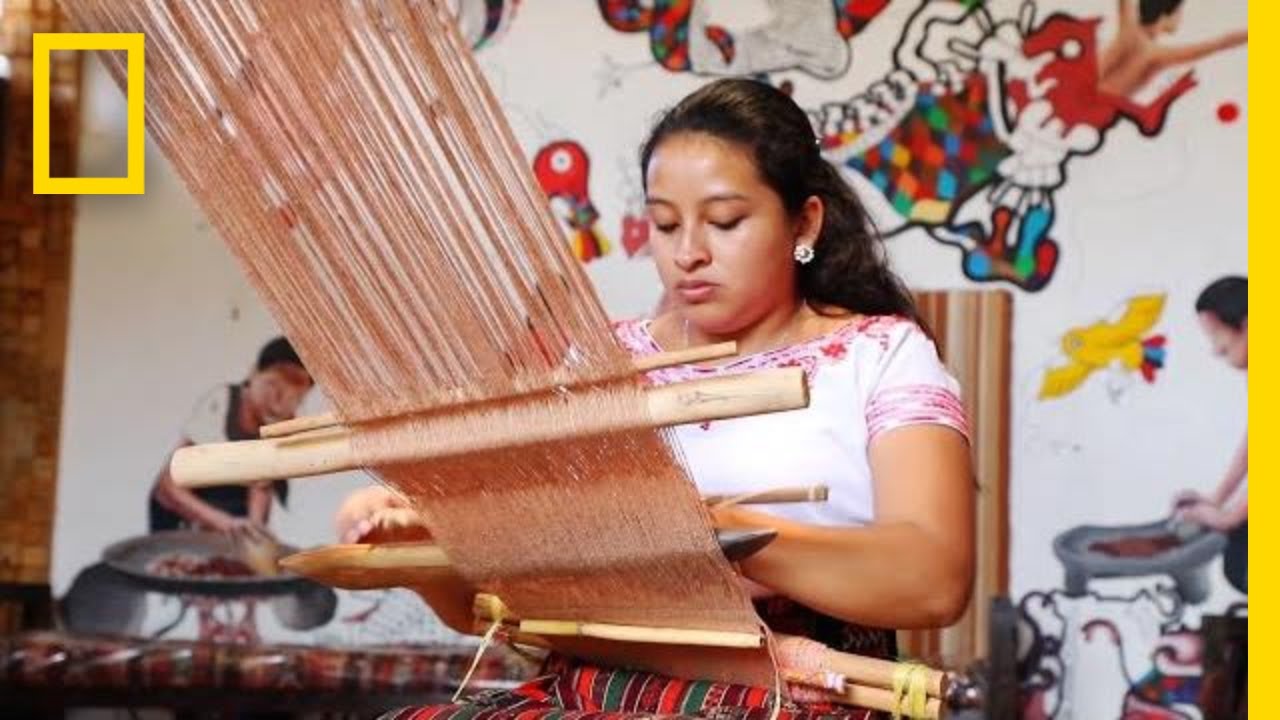
But artisans in Oaxaca maintained some production, because weavers of traditional clothing and rugs preferred it in handicrafts.
Find out more about AP Archive: http://www.aparchive.com/HowWeWork
Twitter: / ap_archive
Facebook: / aparchives
Instagram: / apnews
You can license this story through AP Archive: http://www.aparchive.com/metadata/you...
Повторяем попытку...
Доступные форматы для скачивания:
Скачать видео
-
Информация по загрузке: