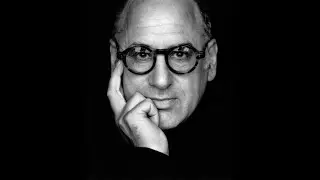
Anthony Braxton and Richard Teitelbaum – Live performance at Teatro Petruzzelli in Bari (1981)
Автор: Contemporary M Vibes
Загружено: 2025-06-13
Просмотров: 198
Описание:
Anthony Braxton and Richard Teitelbaum formed a duo that explored avant-garde jazz and electronic improvisation. Braxton, a saxophonist and clarinetist already known for his ability to explore complex musical structures and his approach to improvisation, teamed up with Teitelbaum, a pioneer of electronic music. The duo began collaborating in the 1970s, combining free jazz and electronic music in an innovative dialogue between acoustic instruments and synthesizers. Their first album together, Time Zones (1977), documented this sonic fusion, with Braxton on saxophone and clarinet and Teitelbaum on Moog modular synthesizers. Their collaboration developed over time, with concerts and recordings exploring radical improvisation and timbral experimentation. Teitelbaum was known for his ability to transform synthesized sounds into fluid and changing textures, while Braxton brought his characteristic structural complexity and his innovative approach to the saxophone.
One of their collaborations that I personally witnessed is the one I recorded on tape in August 1981 at the Teatro Petruzzelli in Bari, Italy. The concert showed an extraordinary interaction between the two musicians, with Braxton moving from occasional lyricism to disturbing effects with his instrument, and Teitelbaum, capable of transforming sounds sometimes similar to instruments into rubbery textures. It was certainly the anticipation of “Open Aspects '82“, an album recorded in Germany a few months after this concert in Bari, which continued their collaboration, still considered one of the most significant both in the field of avant-garde jazz and the rawest electronics, both combined with intelligent expressive freedom, without the constraints of traditional structure, which would influence entire generations of experimental musicians.
I must add that, despite being an amateur recording, the essence of that concert, which lasted more than 90 minutes without interruptions, is quite well captured. What I propose is a long extract that leads to the final part of that sound experience that was unique for me.
Anthony Braxton e Richard Teitelbaum formarono un duo che esplorava l'avanguardia jazz e l'improvvisazione elettronica. Braxton, sassofonista e clarinettista già noto per la sua capacità di percorrere strutture musicali complesse e per il suo approccio all'improvvisazione, si unì a Teitelbaum, pioniere della musica elettronica. Il duo iniziò a collaborare negli anni '70, unendo il free jazz e la musica elettronica in un dialogo innovativo tra strumenti acustici e sintetizzatori. Il loro primo album insieme, Time Zones (1977), documentava questa fusione sonora, con Braxton al sassofono e clarinetto e Teitelbaum ai sintetizzatori modulari Moog. La loro collaborazione si sviluppò nel tempo, con concerti e registrazioni che visitavano l'improvvisazione radicale e la sperimentazione timbrica. Teitelbaum era noto per la sua capacità di trasformare suoni sintetizzati in texture fluide e mutevoli, mentre Braxton portava la sua caratteristica complessità strutturale e il suo approccio innovativo al sassofono.
Una delle loro collaborazioni a cui ho assistito personalmente è quella che registrai su nastro nell’agosto del 1981 al Teatro Petruzzelli di Bari. Il concerto mostrò una straordinaria interazione tra i due musicisti, con Braxton che passava da lirismi saltuari a effetti inquietanti con il suo strumento, e Teitelbaum, capace di trasformare suoni talvolta simili a strumenti in texture gommose. Era sicuramente l’anticipazione di “Open Aspects '82“, album registrato in Germania qualche mese dopo il concerto di Bari, che continuò la loro collaborazione, considerata ancora oggi una delle più significative sia nell'ambito dell'avanguardia jazz che dell’elettronica più cruda, entrambe coniugate con intelligente libertà espressiva, senza vincoli di struttura tradizionale, che avrebbe influenzato intere generazioni di musicisti sperimentali.
Devo aggiungere che, pur essendo una registrazione amatoriale, si coglie abbastanza bene l’essenza di quel concerto, durato più di 90 minuti senza interruzioni. Ciò che propongo è un lungo estratto che porta alla parte conclusiva di quell’esperienza sonora per me unica.
Повторяем попытку...

Доступные форматы для скачивания:
Скачать видео
-
Информация по загрузке: