Container Ships in maritime industry || Cargo work || Oil Tankers || Second Mate || Chief Mate
Автор: SeaSchool
Загружено: 2025-07-17
Просмотров: 134
Описание:
________________________________________
🚢 Types of Container Ships in the Maritime Industry
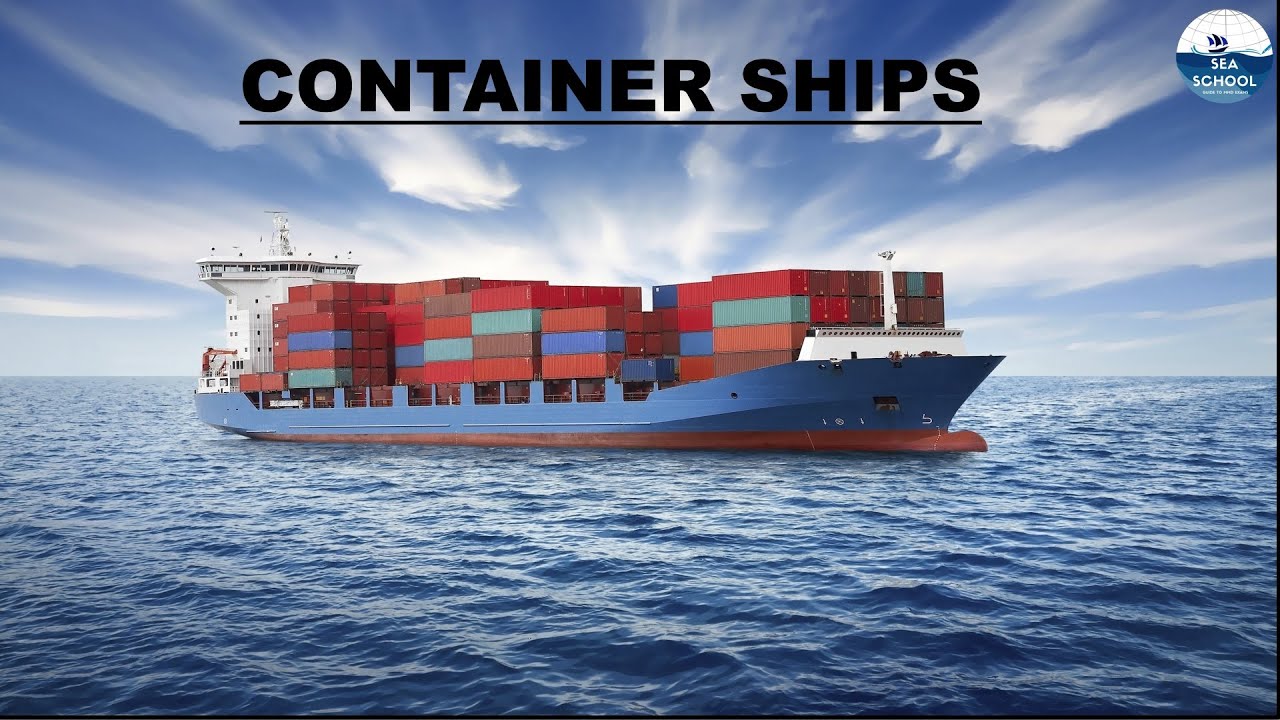
Container ships are cargo vessels designed to carry standardized containers (TEUs) efficiently across oceans and seas. These ships form the backbone of global trade by transporting goods in large volumes between major ports.
Container ships can be classified based on design, size, and cargo handling method:
________________________________________
🔧 Based on Design and Operation:
1. Fully Cellular Container Ships (FCC)
• Most common modern container vessels.
• Have cell guides in the cargo holds to securely stack containers.
• Do not carry bulk cargo or break-bulk cargo.
• Require port cranes for loading/unloading.
________________________________________
2. Geared Container Ships
• Equipped with their own cargo cranes.
• Ideal for ports without container handling infrastructure.
• Often smaller in size; used in developing regions or feeder routes.
________________________________________
3. Gearless Container Ships
• No onboard cranes — rely entirely on shore-based port equipment.
• More space for containers; preferred on major international routes.
________________________________________
4. Ro-Ro Container Ships (ConRo)
• Combine container transport with Roll-on/Roll-off (Ro-Ro) capabilities.
• Carry wheeled cargo and containers simultaneously.
• Used for specialized cargo operations.
________________________________________
5. Open-Top Container Ships
• Lack a fixed deck above cargo hold.
• Designed to carry over-height or awkward cargo.
• May be fitted with removable covers.
________________________________________
6. Reefer Container Ships
• Specifically designed to carry refrigerated containers (reefers).
• Equipped with electrical points and refrigeration support for perishable goods like food and medicine.
________________________________________
📏 Based on Size (by TEU capacity):
Type TEU Capacity Typical Use
Feeder Ships Up to 3,000 TEU Regional/short sea routes
Panamax Up to ~5,000 TEU Max size for original Panama Canal
Post-Panamax 5,000 to 10,000 TEU Too large for old Panama Canal
New Panamax (Neo-Panamax) Up to ~14,000 TEU Fit new expanded Panama Canal locks
Ultra Large Container Vessels (ULCVs) Over 14,000 TEU Major global trade routes (Asia-Europe)
________________________________________
✅ Summary Table
Type Main Feature
Fully Cellular Most efficient container-only design
Geared Have onboard cranes
Gearless Depend on shore cranes
ConRo Carry containers and wheeled cargo
Open-Top Allow oversized cargo
Reefer Support temperature-controlled cargo
Feeder Small vessels for regional transport
Panamax & ULCV Size classifications for global trade efficiency
________________________________________
🌍 Importance of Container Ships:
• Enable global supply chains and just-in-time delivery.
• Efficient, standardized, and cost-effective.
• Operate on fixed schedules and trade lanes between major ports.
________________________________________
Повторяем попытку...
Доступные форматы для скачивания:
Скачать видео
-
Информация по загрузке: