LVAD Cycling | Electric Cranks | At Home Outdoors
Автор: Wigwam Holidays
Загружено: 2022-10-06
Просмотров: 1413
Описание:
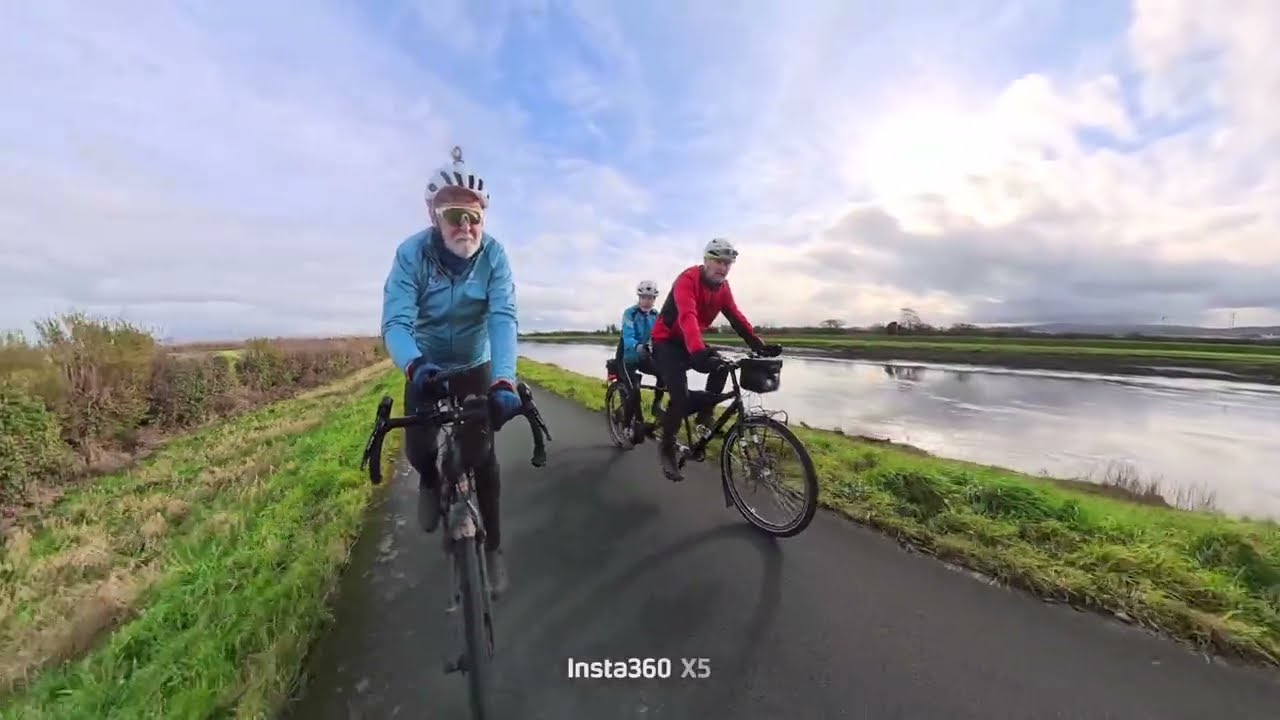
The Electric Cranks are a group of heart and lung transplant patients at Wythenshawe Hospital who used e-bikes to cycle 100 miles along the classic 'Coast to Coast' Route 72 in order to further pioneer the effectiveness of the LVAD and generate funds for New Start. Discover more: https://www.wigwamholidays.com/at-hom...
Thanks to:
Electric Cranks Cycling Club
Wythenshawe Hospital
New Start: https://www.newstartcharity.org/
Herding Hill Wigwams®
Directed & Edited by:
Helen Burt, Arbor Creative: https://arborcreative.co.uk/
Transcript:
Dr Steve Shaw:
These patients are just inspiring. If you look at the journeys they've been on, each of them have been critically unwell and have stared their own mortality in the face and they've come to a place now where they're riding coast to coast.
Bob Gower:
So we've been doing this for now, over three years, meeting regularly, cycling increasingly long and challenging distances. And this, of course, is the ultimate example of that.
Peter O'Donnell:
Just wear a vest like this - two pockets so you can wear the controller on either side if you want, but I prefer to put them in my trousers when I'm cycling so that it doesn't affect your stomach, because right about here is where the cable goes in and passes up towards your aorta where the actual device is sitting and pumping away, about four and a half litres of blood a minute. It's quite impressive actually, just what this equipment can do.
My left ventricle in my heart has failed completely and that's why the device was fitted, so that it could do all the work that the left ventricle normally does, which is pretty much everything - the right one is quite lazy really by comparison.
Ian Wilton:
I think this ride is a couple of things; it's the first multi day event I've ever done. It's the sort of thing that even a year ago probably said, no way. I wouldn't consider myself a heart attack victim, no family history, so the whole thing came to me as a complete bolt out the blue.
The heart attack was a bank holiday Monday, I was climbing with my son in North Wales, a place called Pen yr Ole Wen. We completed the climb/scramble, got to the summit, took some nice photos and just had this massive pain in my chest where I thought I'd been shot or stabbed. And then my son fortunately came back, found us, and then we had a process of contacting mountain rescue, they had helicopters, ten mountain rescue teams, and it took them 9 hours in total to get me into a hospital, having carried me for 5 hours, and I think it was half an hour in the helicopter, an hour by ambulance.
It was probably because I was relatively fit and healthy that I actually survived the heart attack. Certainly the paramedic that dealt with me on the mountain said that she thought I would be within a body bag within an hour. I'm incredibly lucky to A. the mountain rescue, which you will see a little logo on the back of my bike and the NHS and the medical people that have put me back together. Not quite in the way that I would like, but they've put me back in a fashion so that I can do what I'm doing today.
Sophie Wilton:
As a family, because we've seen him come from a dark place to now, it's inspired us. Sometimes there's days when we're feeling a bit rubbish, you're like, well just look at Dad. He's someone that's so full of life and he's still got so much to give. To be here and to be cycling 3 days in a row, 100 miles, is absolutely incredible. So I feel so proud of him.
Jackie Gower:
We've been together since 1978 and for the first 25 years, Bob was as fit as a flea. So we were both shocked when he was diagnosed with heart failure. Bob came home from hospital and it was like having a newborn baby - this helpless thing that couldn't do anything for themselves and there's all this equipment to manage as well. It felt overwhelming.
Bob Gower:
It was an absolutely life changing experience for me, my wife and our son. And as it does with many people who undergo similar events, it makes you rethink about what's really important.
It's taken away my fear. What's the worst that can happen? The worst that can happen to me now is I can only die, and we all die. This is the life that I've got, I'm comfortable with that, I'm determined to live that life for as long and as well as I possibly can, and sitting here in the middle of the countryside, in a beautiful part of England, riding bikes with a bunch of fellow fantastic guys is about as good as it can get.
Dr Steve Shaw:
I think cycling has just opened their eyes to the world in front of them and they can enjoy life again. We're all hugely proud of the Cranks. They are the flagship patients for Wythenshawe Hospital. I can't think of any other group of patients who inspire so many others around them.
Peter O'Donnell:
In one piece, still alive, still, well not exactly beating but certainly pumping. And that's what it's all about, getting off your backside and go and enjoy yourself.
Повторяем попытку...
Доступные форматы для скачивания:
Скачать видео
-
Информация по загрузке: