Important Texas Residential Video Surveillance Laws
Автор: Dyezz Dallas Surveillance & Access
Загружено: 2026-02-26
Просмотров: 3
Описание:
ORIGINALLY POSTED IN NOVEMBER 2022, UPDATED FOR 2026
Texas Residential Video Surveillance Laws. In Texas homes and apartments in 2026, you can install visible security cameras on your own property without consent for video-only recording in areas without a reasonable expectation of privacy, but neighbors’ cameras pointed into your private spaces, hidden recording, or audio without one-party consent can violate state law. Roommates and landlords must respect shared privacy expectations, and invasive visual recording remains a felony under Texas Penal Code § 21.15.
Can You Install Security Cameras on Your Texas Home?
Texas homeowners and renters have broad rights to protect their property with video surveillance, as long as they respect others’ privacy. Video-only cameras are generally legal anywhere on your private property where no one has a “reasonable expectation of privacy,” such as driveways, front yards, garages, and public-facing exteriors. No state law requires signage or advance notice for video recording on your own land, though posting signs builds trust and deters disputes.
Key rules include:
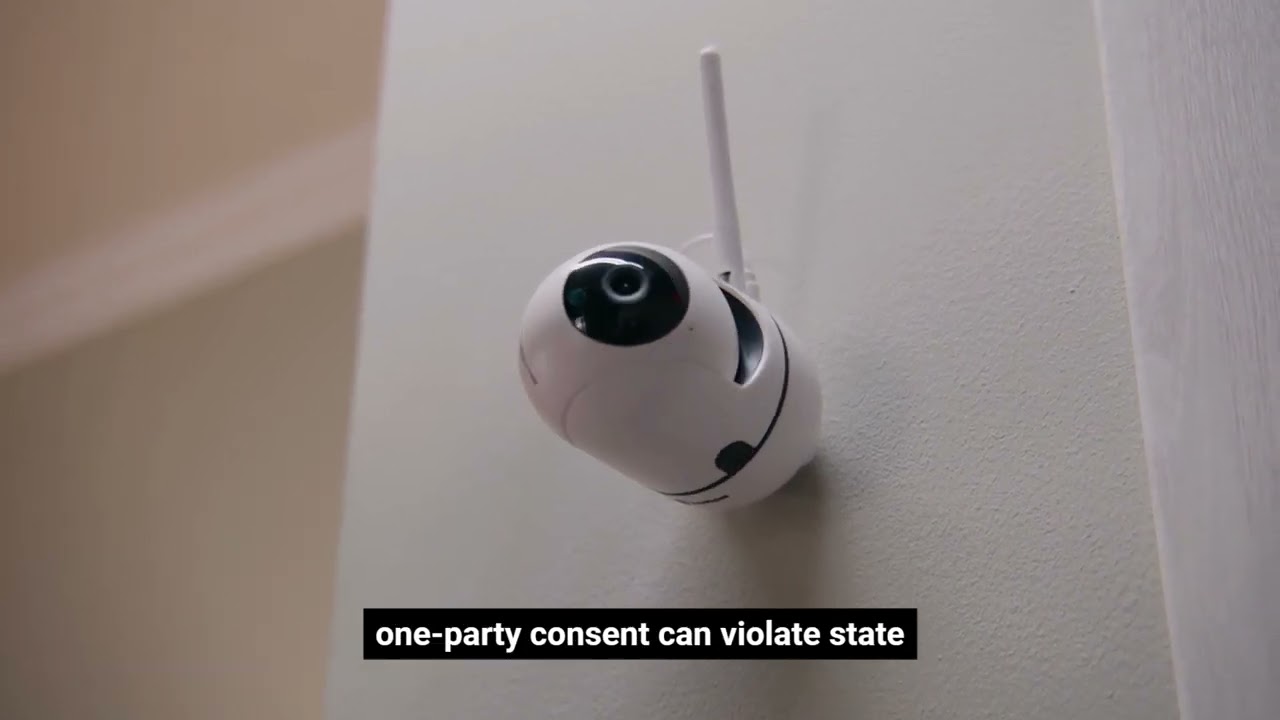
Cameras must be visible; concealed or hidden cameras—even on private property—are illegal if they capture intimate areas without consent.
Avoid pointing cameras into neighbors’ private spaces (backyards, windows) to prevent invasion of privacy claims.
Audio recording follows Texas’s one-party consent rule: legal if you’re a participant or one party consents, but risky in shared or private settings.
With rising property crimes in Texas suburbs, systems like those from Dyezz Surveillance and Access provide peace of mind when installed correctly.
Can My Neighbor Record Me on My Property in Texas?
Short answer: Yes, neighbors can record your property if it captures publicly visible areas with no reasonable expectation of privacy—but not if it peers into your home, backyard, or intimate spaces.
Texas law protects property owners’ rights to surveil their own land, even if it overlaps visible parts of yours, like a driveway or front porch seen from the street or their yard. Courts consistently rule that “what the eye can see, the camera can record” in open areas without privacy fences or curtains. However, if a neighbor’s camera zooms into your fenced backyard, bedroom window, or bathroom—places where privacy is expected—you have strong grounds for a civil suit for invasion of privacy or even criminal charges under § 21.15 for invasive visual recording.
Steps to address concerns:
Document everything: Take dated photos of the camera angle, timestamps, and any footage showing intrusion.
Talk first: Politely ask your neighbor to adjust the camera; many disputes resolve amicably.
Block the view: Install privacy fences (check HOA rules), hedges, or reflective film on windows.
Escalate if needed: Contact local police for a welfare check or consult an attorney; no statewide sign requirement exists, but visible deterrence helps.
In 2026, with affordable PTZ (pan-tilt-zoom) cameras widespread, intentional zooming into private areas strengthens your case, but proving “intent” requires evidence.
Can My Roommate Put Cameras in the House in Texas?
Short answer: Roommates can install cameras in truly shared common areas (like living rooms) with everyone’s knowledge and agreement, but never in private bedrooms, bathrooms, or without consent for audio.
Shared housing blurs lines, but Texas prioritizes “reasonable expectation of privacy” in personal spaces. A roommate may place visible cameras in communal kitchens or entryways if all housemates are informed and ideally consent in writing—transparency avoids breach-of-trust disputes or civil claims. Hidden cameras anywhere are illegal, and recording private areas (your bedroom door, bathroom) is a felony under § 21.15.
Critical distinctions:
Common areas: Okay with group buy-in; treat like landlord common-area monitoring.
Private spaces: Absolutely prohibited without explicit consent; even “your” camera can’t film someone else’s room.
Audio: One-party consent applies, but secretly taping housemate conversations risks lawsuits even if technically legal.
Best practices for harmony: Draft a simple roommate agreement on camera use, data access, and retention. If tensions rise, involve a mediator before legal action.
https://dallasalarmcompanies.com/texa...
#texasresidential #vidéosurveillance #videosurveillancelaw
Повторяем попытку...
Доступные форматы для скачивания:
Скачать видео
-
Информация по загрузке: