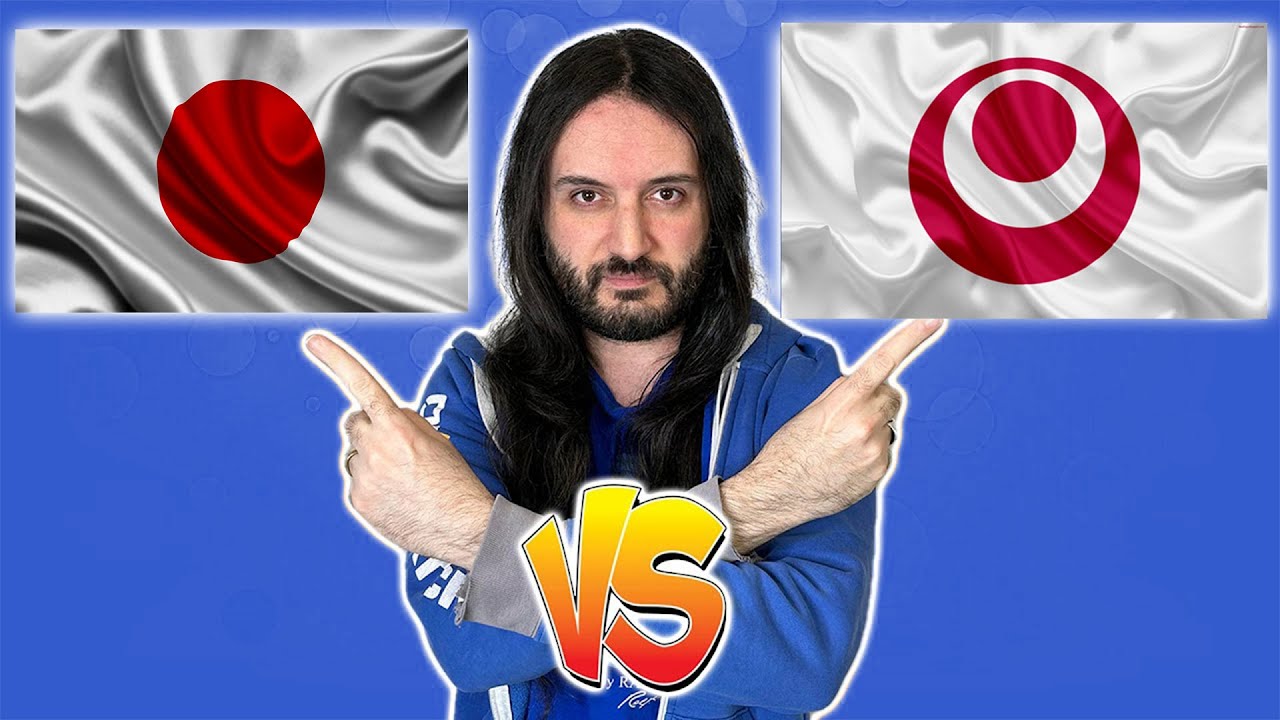
Japanese VS Okinawan. How Different Are They? REALITY CHECK
Автор: Metatron's Academy
Загружено: 2023-08-27
Просмотров: 24366
Описание:
Let's check out how different Japanese and Okinawan are!
Links to the original creators
• Okinawan colors | How to speak the Okinawa...
• JAPANESE & OKINAWAN (STANDARD SHURI DIALECT)
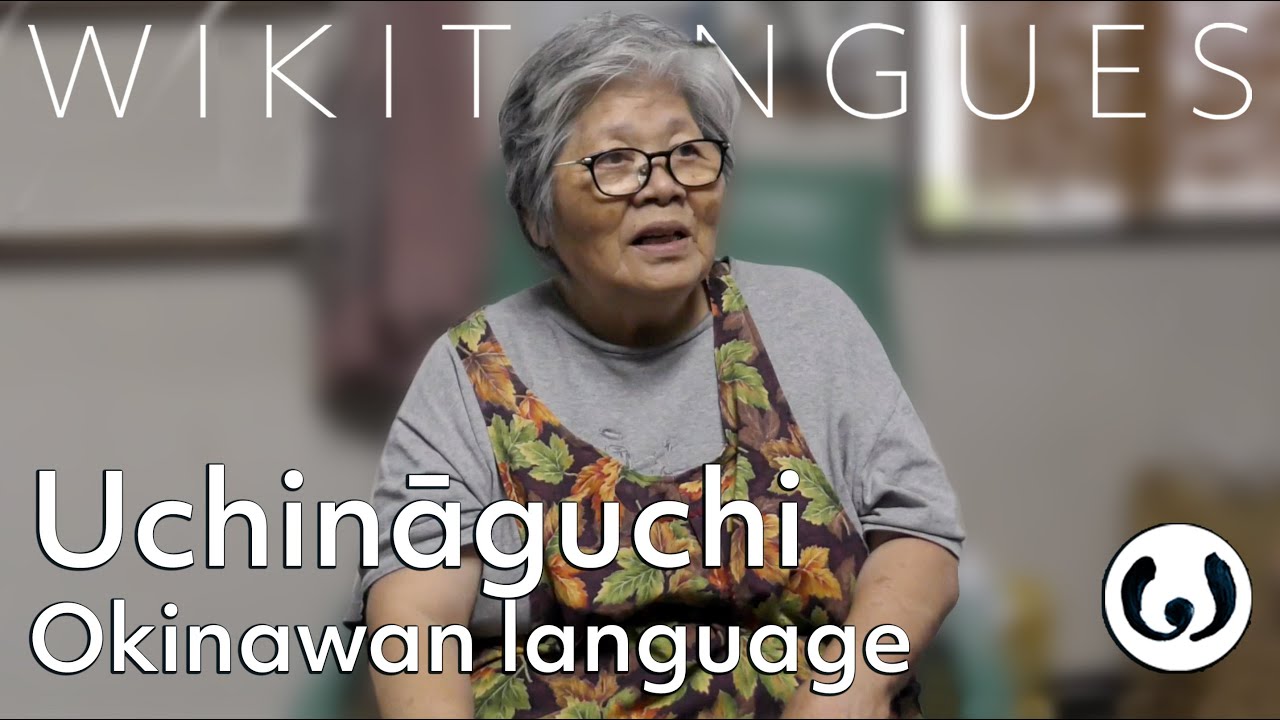
The Okinawan language (沖縄口, ウチナーグチ, Uchināguchi, [ʔut͡ɕinaːɡut͡ɕi]) or Central Okinawan, is a Northern Ryukyuan language spoken primarily in the southern half of the island of Okinawa, as well as in the surrounding islands of Kerama, Kumejima, Tonaki, Aguni and a number of smaller peripheral islands.[3] Central Okinawan distinguishes itself from the speech of Northern Okinawa, which is classified independently as the Kunigami language. Both languages are listed by UNESCO as endangered.[4]
Though Okinawan encompasses a number of local dialects,[5] the Shuri–Naha variant is generally recognized as the de facto standard,[6] as it had been used as the official language of the Ryukyu Kingdom[7] since the reign of King Shō Shin (1477–1526). Moreover, as the former capital of Shuri was built around the royal palace, the language used by the royal court became the regional and literary standard,[7][6] which thus flourished in songs and poems written during that era.
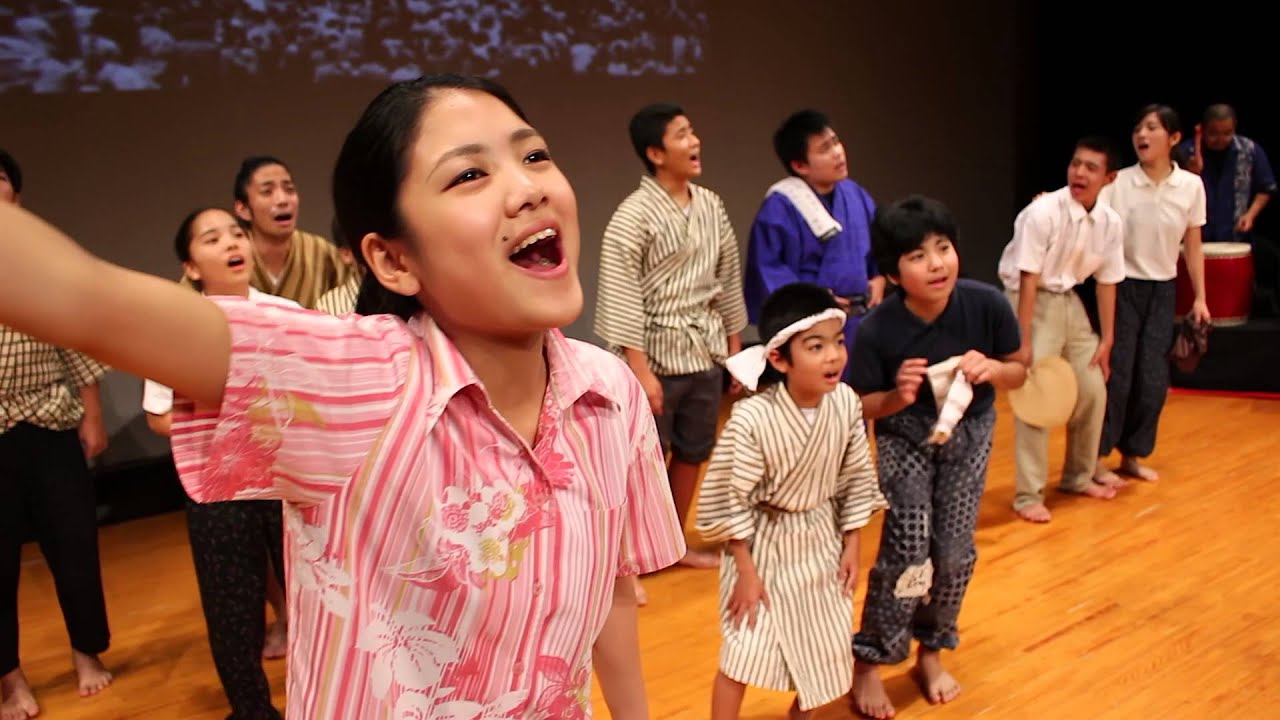
Today, most Okinawans speak Okinawan Japanese, although a number of people still speak the Okinawan language, most often the elderly.[8] Within Japan, Okinawan is often not seen as a language unto itself but is referred to as the Okinawan dialect (沖縄方言, Okinawa hōgen) or more specifically the Central and Southern Okinawan dialects (沖縄中南部諸方言, Okinawa Chūnanbu Sho hōgen). Okinawan speakers are undergoing language shift as they switch to Japanese, since language use in Okinawa today is far from stable. Okinawans are assimilating and accenting standard Japanese due to the similarity of the two languages, the standardized and centralized education system, the media, business and social contact with mainlanders and previous attempts from Japan to suppress the native languages.[9] Okinawan is still kept alive in popular music, tourist shows and in theaters featuring a local drama called uchinā shibai, which depict local customs and manners.
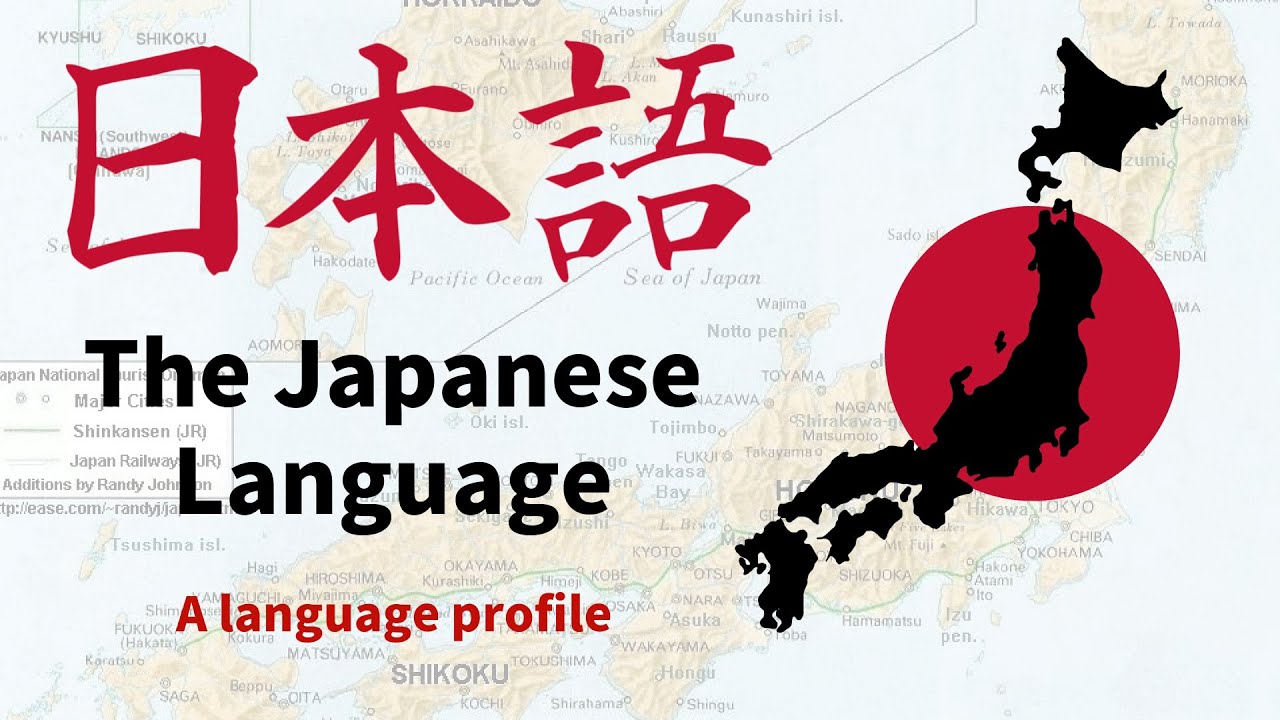
Japanese (日本語, Nihongo, [ɲihoŋɡo] (listen)) is the principal language of the Japonic language family spoken by the Japanese people. It has around 128 million speakers, primarily in Japan, the only country where it is the national language, and within the Japanese diaspora worldwide.
Japonic family also includes the Ryukyuan languages and the variously classified Hachijō language. There have been many attempts to group the Japonic languages with other families such as the Ainu, Austroasiatic, Koreanic, and the now-discredited Altaic, but none of these proposals has gained widespread acceptance.
Little is known of the language's prehistory, or when it first appeared in Japan. Chinese documents from the 3rd century AD recorded a few Japanese words, but substantial Old Japanese texts did not appear until the 8th century. From the Heian period (794–1185), extensive waves of Sino-Japanese vocabulary entered the language, affecting the phonology of Early Middle Japanese. Late Middle Japanese (1185–1600) saw extensive grammatical changes and the first appearance of European loanwords. The basis of the standard dialect moved from the Kansai region to the Edo region (modern Tokyo) in the Early Modern Japanese period (early 17th century–mid 19th century). Following the end of Japan's self-imposed isolation in 1853, the flow of loanwords from European languages increased significantly, and words from English roots have proliferated.
Japanese is an agglutinative, mora-timed language with relatively simple phonotactics, a pure vowel system, phonemic vowel and consonant length, and a lexically significant pitch-accent. Word order is normally subject–object–verb with particles marking the grammatical function of words, and sentence structure is topic–comment. Sentence-final particles are used to add emotional or emphatic impact, or form questions. Nouns have no grammatical number or gender, and there are no articles. Verbs are conjugated, primarily for tense and voice, but not person. Japanese adjectives are also conjugated. Japanese has a complex system of honorifics, with verb forms and vocabulary to indicate the relative status of the speaker, the listener, and persons mentioned.
#japanese #okinawan #language
Повторяем попытку...
Доступные форматы для скачивания:
Скачать видео
-
Информация по загрузке: