How to Talk About Complexion in English | Denglisch Docs
Автор: Denglisch Docs
Загружено: 2022-11-09
Просмотров: 3807
Описание:
Coming to you from New York City, we ensure authentic English, zero Denglisch, and effectual clarity in every word and sentence.
All about Sprachgefühl. All about Authenticity.
----------
Looking for the subtitles? Just hit CC in the top right corner of the video or scroll down to find what you're looking for.
----------
Denglisch Docs
http://www.denglischdocs.com/
Context by Denglisch Docs
http://context.denglischdocs.com/
Real Talk by Denglisch Docs
http://realtalk.denglischdocs.com
Instagram
/ denglisch_docs
Facebook
/ 100076407815014
Twitter
/ denglisch_docs
LinkedIn
/ denglisch-docs
----------
Welcome to Denglisch Docs!
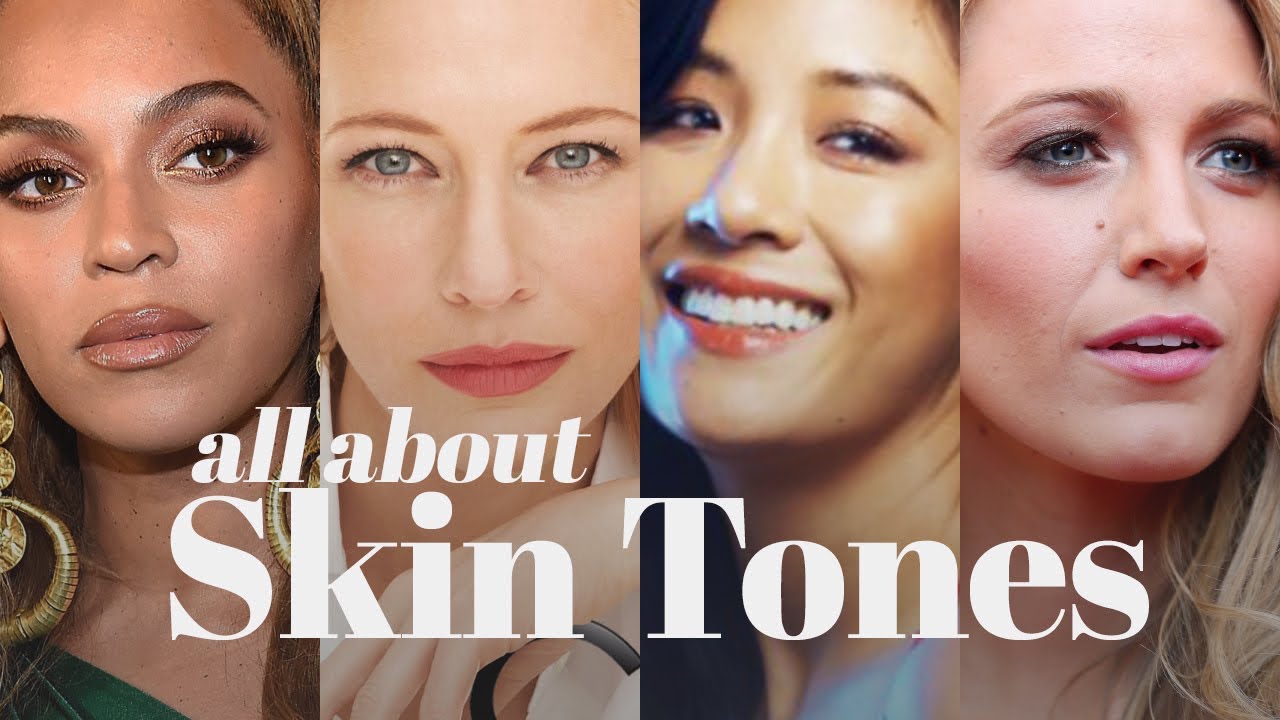
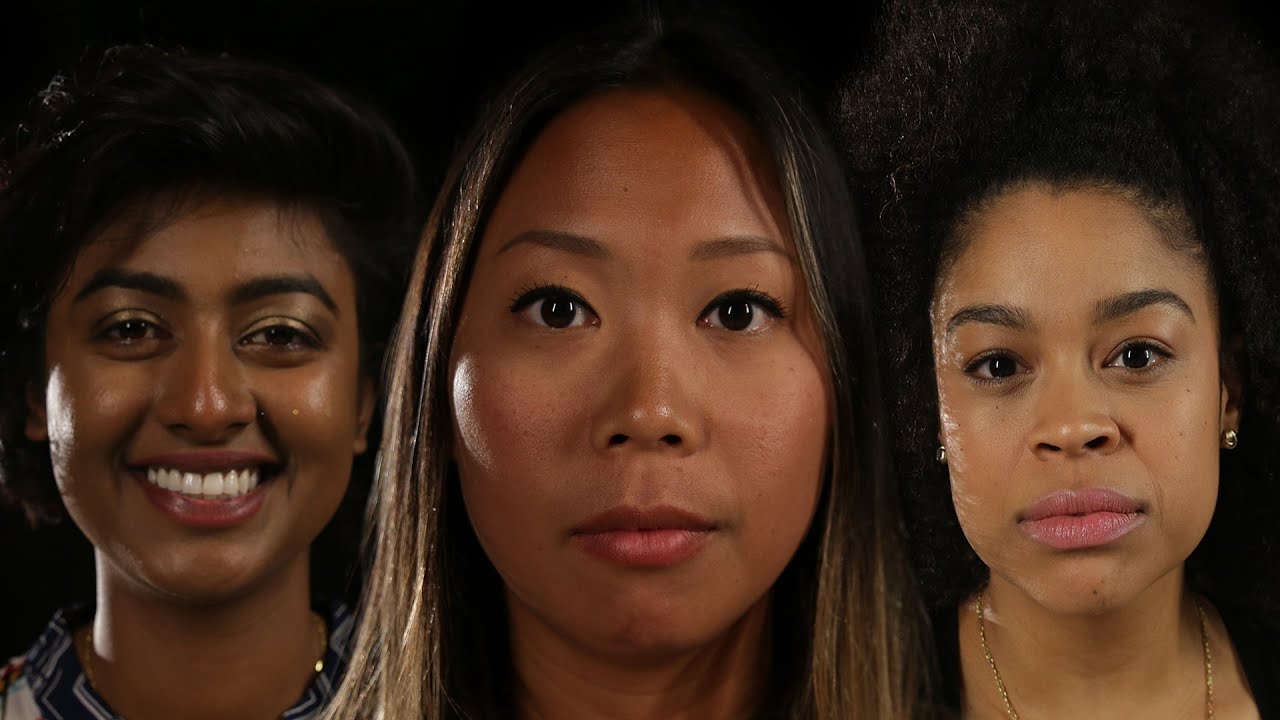
As we all know, the color of people’s skin can range from light to dark. Today, let’s talk about some appropriate words and phrases to use in English when conversing about complexion.
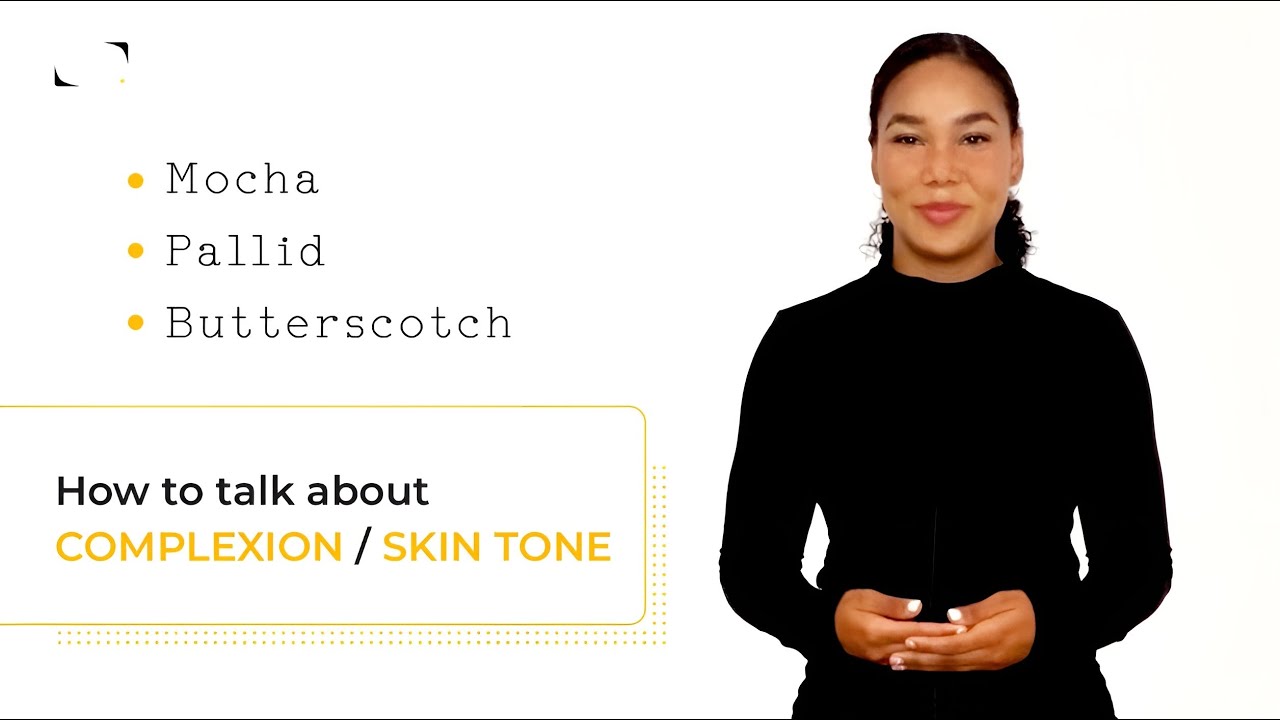
We use the term “complexion” when we talk about the natural color, appearance, and texture of a person’s skin. Your skin’s complexion depends on the tone or undertone of the skin, which refers to the color of the skin created by melanin. For example, if you want to give someone a compliment on their skin, you can say, “Wow, you have a such lovely complexion,” or “Your skin tone is gorgeous.”
Generally speaking, we use three different categories when speaking about skin complexion: light skin – also called fair skin; medium skin (or brown skin), and dark skin. For example, you can say, “Doug is the light-skinned guy sitting by the bar,” “Dave is the dark-skinned gentleman in the suit,” or “Mary is the fair-skinned woman by the door.”
When someone’s skin becomes darker because they have been exposed to the sun, we say they have a tan. For example, you can say, “Your tan looks great! You must have spent a lot of time on the beach.” If your friend’s skin is overtanned or burned, you can say, “That sunburn looks pretty bad. Do you want some suntan lotion?” When someone’s skin is very light because they haven’t gotten any sun, you can say, “James, you look pale,” or “You look pallid,” which means very pale.
To talk about the many different variations within a complexion, we use the word “shade.” For example, someone shopping for makeup might ask a salesperson, “How many shades does that brown face powder come in?”
People frequently use the term “olive skin,” when referring to light or moderate brown skin with gentle undertones of green, gold, or yellow. This skin tone is common in the Mediterranean, Latin America, and parts of Asia. For example, a makeup artist might tell a client, “Your olive skin looks so warm.”
Back in the day, it was common for people to use the terms “redbone” and “yellowbone.” “Redbone” refers to a light-skinned person with a reddish undertone, and “yellowbone” refers to a light-skinned black person with a yellow undertone. Nowadays both of these terms are outdated.
Some African American and Hispanic people between the ages of 15 and 30 also use slang words to describe complexions. Black skin can be called ebony skin, while other words include chocolate, mocha, caramel, butterscotch, butter pecan, and vanilla. Chocolate and mocha equal darker skin, caramel and butterscotch equal medium skin, butter pecan equals lighter skin, and vanilla refers to White people with fair skin. For example, someone might say “I love my mocha skin,” or “I’m caramel-complected.” The word “complected” means having a specified complexion.
Please be mindful that there are no yellow, redskin, blue-black, or colored people. When you say that someone looks yellow, you’re saying they look sick. And when you say someone is red, it means their cheeks are rosy (which is called blushing) or they flush (which means red and hot, typically as the result of strong emotion or maybe an illness).
Sometimes, to describe prejudice and discrimination against individuals with certain skin tones that typically take place within the same ethnic or racial group, we use the term “colorism.” For example, you can say, “Yvette favors dark-skinned men over light-skinned men. But I think colorism is wrong.”
Conversing about complexion can be complex. So the next time you’re talking about skin tone and color, use these words to make sure you don’t hurt anyone’s feeling or make unnecessary faux pas. If you want to know what faux pas means? Check out our video about most common French words and phrases we use in English.
Thank you for watching!
Повторяем попытку...
Доступные форматы для скачивания:
Скачать видео
-
Информация по загрузке: