Ego Listening Is What Hurts - ACIM
Автор: Jevon Perra
Загружено: 2025-12-15
Просмотров: 7
Описание:
#acim #suffering
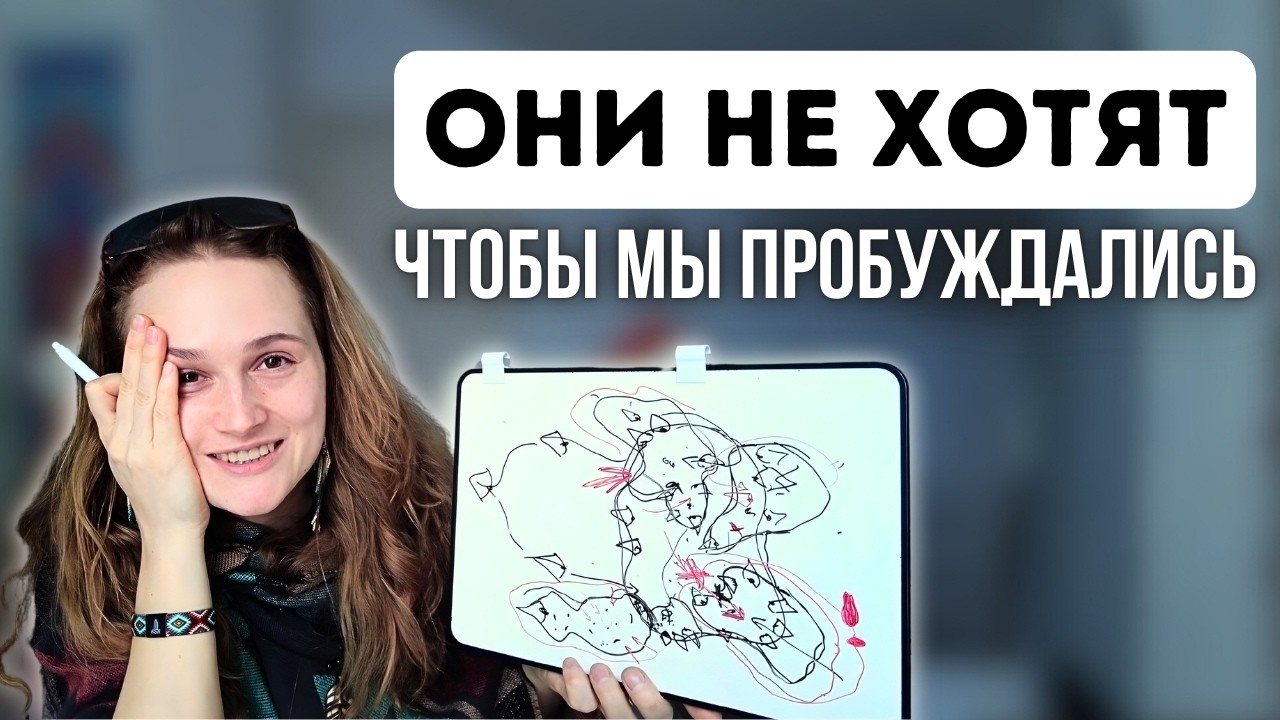
Reading from A Course in Miracles Jevon Perra began reading from Chapter 4, Part 4, "This Need Not Be" of the text. The reading emphasized that if one cannot hear the voice for God, it is because they choose not to listen, and that listening to the ego is demonstrated by one's attitudes and behaviors, as the ego seeks to maintain its existence with mirrors (00:00:05).
Ego, Personality, and Identity Jevon Perra explained that the ego is the made-up character or learned personality, which is distinct from the "real you" that existed before one's birth (00:01:27). They added that fear often arises from the notion that this made-up personality, or even the body, will suffer harm, be damaged, or eventually die (00:02:59). Kristen offered examples of attributes of the ego, such as stubbornness or being short-tempered, and also the love one has for others (00:01:27).
Suffering and Personal Challenges Jevon Perra used Kristen’s experience with cancer and treatment as an example of suffering, distinguishing between the discomfort of treatment and the deeper suffering that occurs when one fears losing the life they want (00:04:43). Kristen responded by stating they had never feared dying from cancer, attributing this to a possible "complete denial," but expressed deep fear and emotional distress over taking hormone pills which they felt was taking away their "womanhood" and ability to bear children, viewing this as a "silly thing" compared to cancer (00:05:55).
Social Roles and Identities Jevon Perra validated Kristen's feelings, suggesting that the identity of being a woman is strongly connected to the body and role-playing, noting that general societal expectations define desirable qualities for both men and women (00:07:08). Jevon Perra discussed how ideas of "pretty" are culturally ingrained and tied to perceived childbearing capacity, and how taking on these identities leads to suffering when they are threatened or lost (00:08:27).
Loss of Identity and Value Jevon Perra emphasized that if one's value is tied to identities like "mother," "pretty," or "young," the loss of these roles or attributes can feel like a "death" and cause suffering (00:11:00). Kristen reflected on the pressure to maintain a youthful appearance, mentioning the desire for Botox, but expressed difficulty in accepting the changes to their body, like hair loss and the inability to bear more children (00:11:56).
Overcoming Suffering through Forgiveness and Letting Go Jevon Perra explained that life provides opportunities to examine and let go of definitions of life that are not true, and suffering highlights these lessons. The opportunity is to forgive or let go of an idea, not a solid thing, such as the idea that one's value is tied to motherhood or the ability to have children (00:14:02). Kristen acknowledged that this learning process takes time and involves sadness and frustration before acceptance (00:15:15).
Denial versus Acceptance Kristen questioned if their lack of fear about dying from cancer was a sign of denial, contrasting it with their profound fear of not being able to have more children (00:16:23). Jevon Perra reassured Kristen that the only lesson is letting go of the ideas causing distress (00:17:41). Kristen then contrasted their fear of losing the ability to have children with their lower fear of death from cancer, noting that they have a greater fear of mundane dangers, like crossing a dangerous intersection (00:18:42).
The Path to Awareness and Change Jevon Perra asserted that the battle is over the thing one suffers over, and while one cannot simply force feelings to change, awareness of the suffering dynamic can lead to understanding and a "bigger heart" (00:19:50). Jevon Perra also explored the idea that their true self is not the body and that death is not the end of consciousness or the "real you" (00:20:57). They discussed the body as a temporary "capsule," or a small part of a larger "ocean of life" (00:21:58).
The Non-Dual Perspective on Mind Change Jevon Perra read a verse stating that one cannot change their mind by changing their behavior, but that one can change their mind through forgiveness and letting go of the idea that is making them sad (00:28:05). Jevon Perra explained that distress is an indicator of wrong thinking and that suffering comes from resisting reality and not forgiving (00:29:14). The three steps to change one's mind are noticing the bothering thing, noticing the thought that makes it bad, and switching the thought (00:31:48).
Challenging the Cycle of Suffering Kristen recognized the difficulty in switching thought processes and breaking repetitive cycles, highlighting the universal challenge of self-change (00:31:48). Jevon Perra countered that the "trick" is that there is nowhere to "get," emphasizing that the initial step is realizing the idea that is causing distress, such as the loss of hair or ability to have children (00:33:06).
Повторяем попытку...

Доступные форматы для скачивания:
Скачать видео
-
Информация по загрузке: