Transpiration in Plants | 9-1 GCSE Science Biology | OCR, AQA, Edexcel
Автор: Launchpad Learning
Загружено: 2018-08-29
Просмотров: 11775
Описание:
https://goo.gl/1z8zM4 to unlock the full GCSE Biology & Combined Science videos series for the new 9-1 OCR, AQA and Edexcel specifications.
They key points covered in this video include:
1. Transpiration
2. Structure and Function of the Stomata
3. Wilting plants
Transpiration
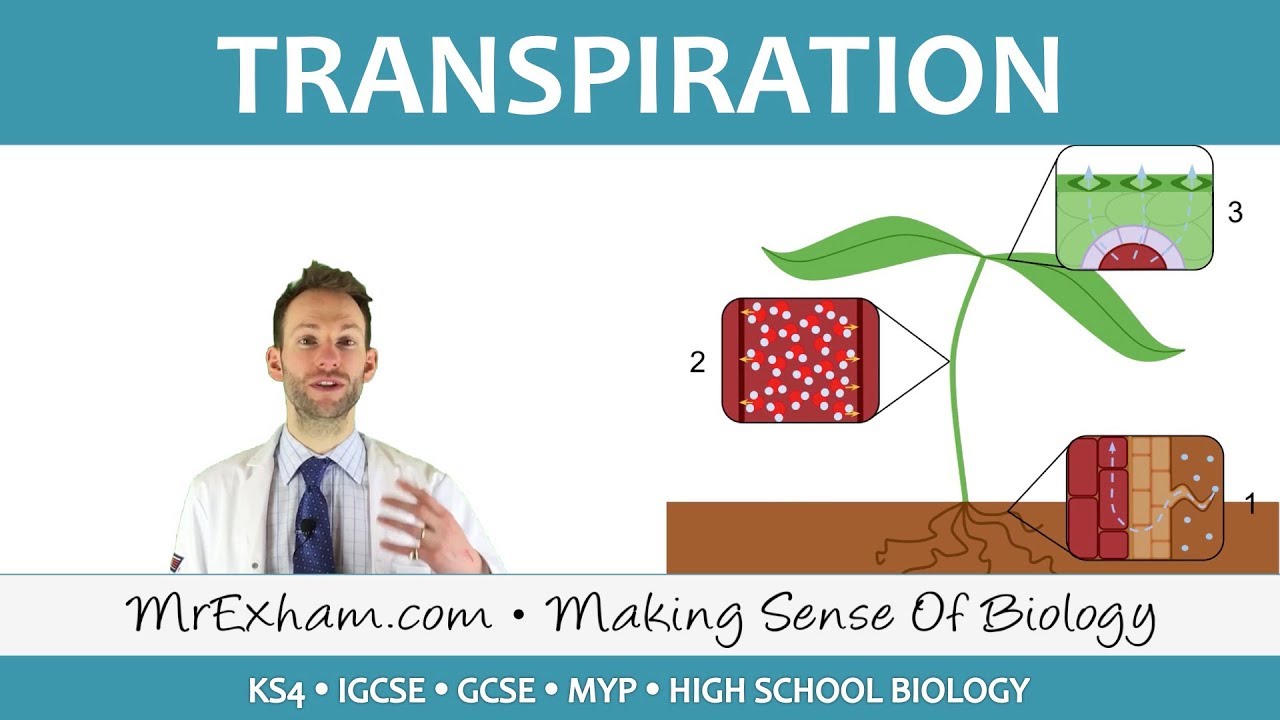
The xylem helps transport water and other nutrients from the roots to the leaves of the plant. The movement of this water and dissolved nutrients in the xylem from the roots to the leaves is called a transpiration stream. Transpiration is the loss of water from the plant. These are the steps of transpiration: Water in the leaf evaporates into water vapour and leaves the leaf through diffusion via the stomata. The water moves out of the leaf as there is less water in air than in the leaves - water diffuses out of the leaf from a high to a low concentration. This means there is less water in the leaf so water is taken up from the xylem to replace the lost water. To supply this water, water is taken up through the roots through osmosis. Water moves from cell to cell until it gets to the centre of the root where it enters the xylem vessel. This process can be summarised in the diagram below: This means there is a constant movement of water in the transpiration stream. Plants transport food substances - such as sucrose - as a liquid called cell sap. This is called translocation and requires energy.
Structure and Function of the Stomata
Stomata allow the diffusion of gases - such as carbon dioxide, water vapour and oxygen - in and out of the leaf. Guard cells surround the stomata - they are kidney shaped to allow them to open and close the stomata. When there is a lot of water in the plant, the guard cells take in water and swell up - they become turgid. This opens the stomata to allow gas exchange for photosynthesis. When there is not much water around in the plant, the guard cells lose water - they become flaccid. This closes the stomata so the plant doesn’t lose too much water when there is low water availability. Guard cells also have thin outer walls and thin inner walls that allow them to open and close stomata. Guard cells are sensitive to light so they can close the stomata at night when the plant can’t photosynthesise to reduce water loss. There are more stomata on the underside of the leaf as this area is shaded and cooler.
Wilting Plants
Plants wilt if they lose water faster than they take it in. If plants wilt the leaves collapse and droop - this reduces the surface area for evaporation so plants lose less water. The stomata also close to stop more water being lost. The plants will eventually die if they don't get water again.
Summary
1. The xylem helps transport water and other nutrients from the roots to the leaves of the plant
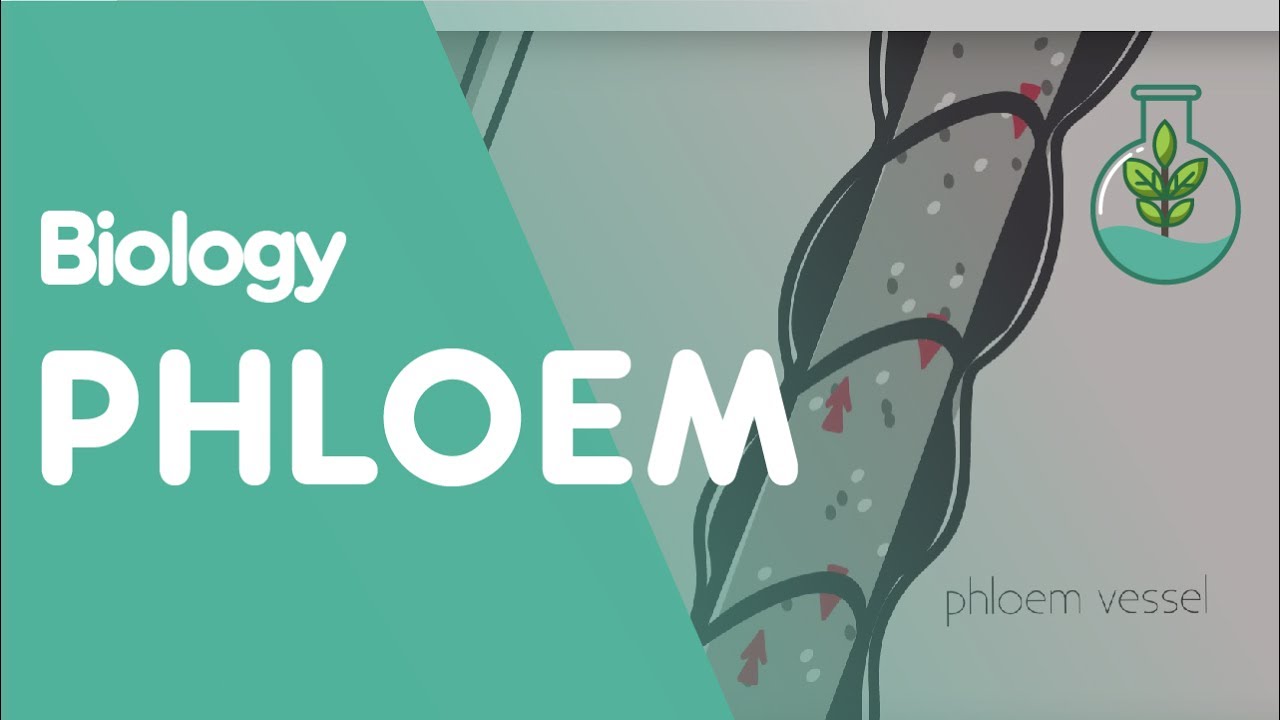
2. Plants transport food substances through translocation in the phloem
3. The stomata can be closed to reduce water loss
Повторяем попытку...

Доступные форматы для скачивания:
Скачать видео
-
Информация по загрузке: