The Flames of Rebellion The Anabaptists and the Radical Reformation 83
Автор: BrickTales Studio
Загружено: 2026-01-04
Просмотров: 3
Описание:
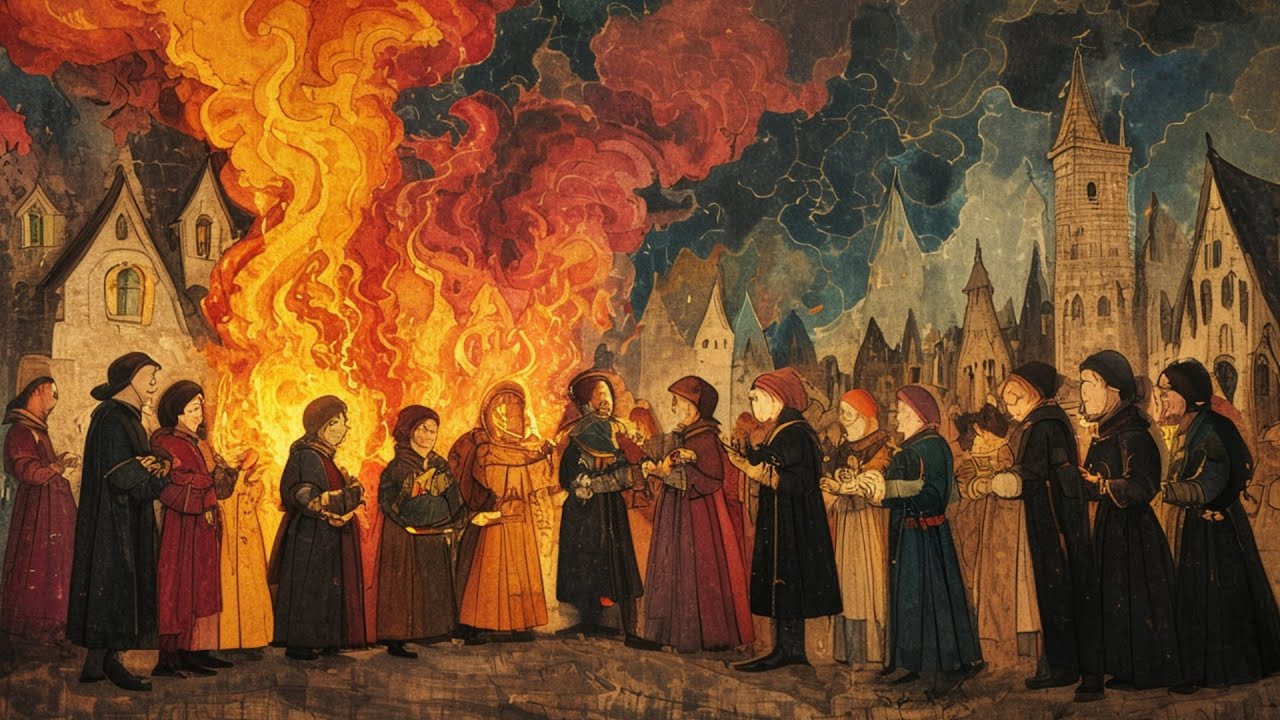
In the heart of the 16th century, a fiery storm swept through Europe, challenging the established order and igniting the flames of rebellion. This tumultuous era was marked by the Radical Reformation, a bold movement that sought to purify the Christian faith and restore it to its original purity, as its proponents saw it. At the forefront of this revolution were the Anabaptists, a diverse group of radicals who demanded baptism for believers only, rejected infant baptism, and advocated for a more communal and egalitarian society.
The Anabaptists emerged in the aftermath of the Protestant Reformation, initially finding support among certain disaffected Protestants who were disillusioned with Martin Luther and his reluctance to push for more radical change. However, the Anabaptists' radical views soon separated them from Luther and the other reformers, earning them the wrath of both the Catholic Church and the Protestant establishment.
In the city of Zurich, a charismatic preacher named Conrad Grebel gathered a group of like-minded individuals, who were determined to live according to the New Testament teachings. They rejected infant baptism, believing that only those who had made a conscious decision to follow Christ should be baptized. This stance, however, was seen as a direct challenge to the authority of the Church, and Grebel and his followers were excommunicated from the Catholic Church in 1525.
Despite their ostracism, the Anabaptists continued to grow in number and influence. In 1527, a young preacher named Felix Manz led a group of Anabaptists in Zurich to publicly renounce their allegiance to the city's authorities and be baptized in the Limmat River. Their act of defiance sparked a wave of persecution, as the Zurich authorities viewed their actions as a direct threat to their power.
Manz and several other Anabaptist leaders were arrested and, in 1527, were executed for their heresy. Their martyrdom only served to strengthen the resolve of the Anabaptists, who saw themselves as followers of Christ in a world that had strayed from the path of righteousness.
In the years that followed, the Anabaptists spread their message across Europe, finding converts in Germany, the Netherlands, and the Swiss cantons. They established secret communities, living according to their radical beliefs and seeking to create a new, more just society. However, their refusal to swear oaths, bear arms, or participate in government further alienated them from both the Catholic Church and the Protestant establishment.
The Anabaptists faced intense persecution, with many of their leaders being arrested, tortured, and executed. Yet, they continued to grow in number, inspired by their martyrs and their steadfast commitment to their beliefs. Despite the odds, they managed to survive, ultimately giving birth to several distinct groups, including the Mennonites, the Hutterites, and the Amish.
The legacy of the Anabaptists continues to resonate today, with their emphasis on pacifism, community, and the importance of personal faith shaping the lives of millions of people around the world. Their story serves as a reminder of the power of conviction and the enduring spirit of those who dare to challenge the status quo in the name of a higher cause.
In the tumultuous world of the 16th century, the Anabaptists stood as a beacon of hope and a testament to the human spirit's unyielding quest for truth and freedom. Their radical reformation marked a turning point in history, as they dared to question the established order and demanded a more authentic, more compassionate faith. In their defiance and their perseverance, they left a lasting impact on the course of history, inspiring generations to come to stand up for their beliefs, even in the face of overwhelming opposition.
Повторяем попытку...
Доступные форматы для скачивания:
Скачать видео
-
Информация по загрузке:


![The Shadow of Calvary: Vivaldi Filiae maestae Jerusalem, RV 638 | [MuseLAB]](https://image.4k-video.ru/id-video/0sj824OYRoI)