Erté: The Visionary Who Shaped Art Deco
Автор: One Fashion Question
Загружено: 2024-11-29
Просмотров: 8197
Описание:
Romain de Tirtoff, famously known as Erté, is often regarded as the father of Art Deco—a movement characterized by its bold geometry, opulent details, and celebration of modernity. Born in St. Petersburg, Russia, in 1892, Erté’s journey to artistic prominence began with his defiance of tradition. Rejecting a military career expected by his family, he followed his passion for art and design, moving to Paris in 1912. His work would go on to define an era of elegance, influencing fashion, theater, and visual art for decades.
Erté’s pseudonym originated from the French pronunciation of his initials, “R.T.” This name change symbolized his embrace of a new identity as an artist in Paris, the epicenter of innovation during the early 20th century. There, he worked briefly under the legendary couturier Paul Poiret, whose avant-garde approach to fashion resonated deeply with him.
Erté’s designs were distinctive from the start. Inspired by ancient cultures, nature, and contemporary technology, he combined intricate patterns, sharp angles, and flowing lines into his creations. His fascination with Japanese woodblock prints, Persian miniatures, and Greek art heavily influenced his stylistic vocabulary, setting him apart from his contemporaries.
The Birth of Art Deco
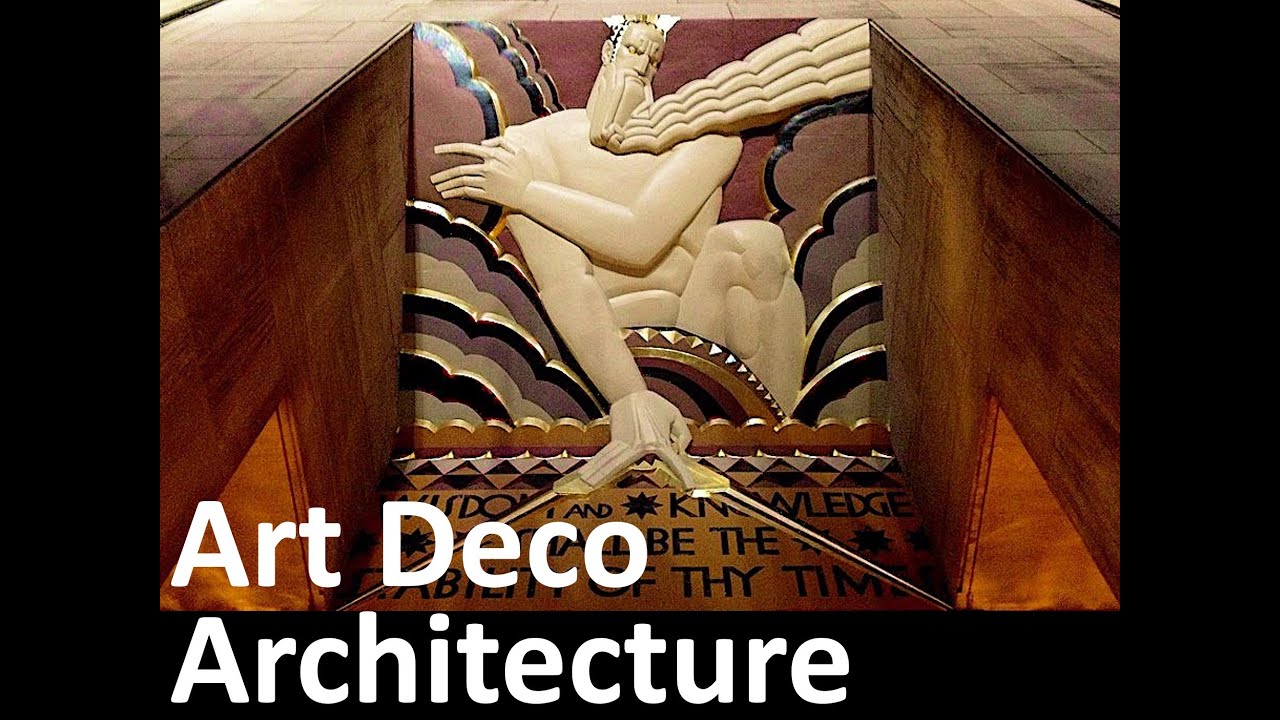
Art Deco emerged in the 1920s as a celebration of modernity and luxury, reflecting the spirit of the Jazz Age. Erté’s work embodied the movement’s core principles—sophistication, symmetry, and the fusion of traditional craftsmanship with industrial innovation. His designs, whether for fashion, theater, or print, were instantly recognizable for their refined elegance and intricate details.
Erté achieved global recognition through his association with Harper’s Bazaar. From 1915 to 1937, he created over 200 covers for the magazine, each one a masterpiece of Art Deco design. These covers showcased his signature style: elongated figures draped in flowing gowns, set against bold geometric backgrounds. His use of color—vivid yet harmonious—added to the ethereal quality of his illustrations.
Erté’s contribution to fashion was monumental. He designed costumes for some of the most glamorous women of his time, including Hollywood stars like Joan Crawford and Lillian Gish. His stage designs for the Folies Bergère, the Ziegfeld Follies, and other theatrical productions brought his vision to life on grand stages, blending fantasy with high fashion.
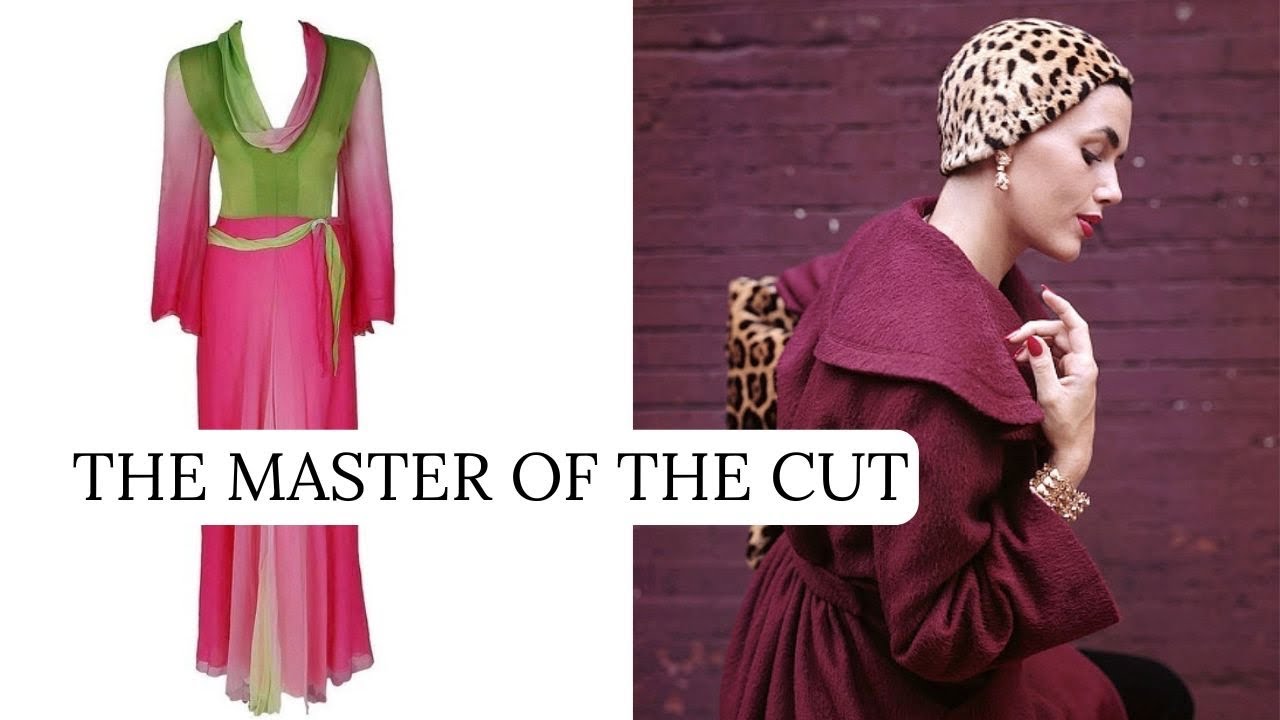
His costume designs were characterized by their luxurious materials and dramatic silhouettes. Feathered headdresses, shimmering beads, and cascading trains became hallmarks of his work. These elements reflected the decadence and escapism that defined the Roaring Twenties.
Erté’s influence on Art Deco was profound, but his appeal extended far beyond the movement’s peak. By the mid-20th century, when Art Deco was overshadowed by modernist aesthetics, Erté’s work experienced a revival. In the 1960s and 1970s, collectors rediscovered his art, leading to exhibitions and the publication of portfolios that cemented his place in art history.
What makes Erté’s legacy enduring is his versatility. He seamlessly moved between mediums, creating illustrations, sculptures, and even jewelry that retained his distinctive style. His work continues to inspire designers and artists today, proving that his vision of beauty and elegance is timeless.
Erté’s contributions to Art Deco extend beyond his technical skill and artistic vision. He captured the essence of a rapidly changing world—a time when tradition met innovation, and luxury celebrated the machine age. His designs remain a testament to the power of creativity to define an era, and his name is forever intertwined with the glamour and sophistication of Art Deco.
Through his art, Erté shaped not only the aesthetics of his time but also the ideals of beauty and modernity that continue to resonate.
____
Subscribe to this channel:
/ @fashionquestion
Contact me: [email protected]
_____
Disclaimer: The images and videos used in this video are not owned or created by One Fashion Question.
All the videos, images and musics used in this video belong to their respective owners and this channel does not claim any right over them.Copyright Disclaimer under section 107 of the Copyright Act of 1976, allowance is made for “fair use” for purposes such as criticism, comment, news reporting, teaching, scholarship, education and research.Fair use is a use permitted by copyright statute that might otherwise be infringing.
_____
#fashionhistory #erte #1920sfashion
Повторяем попытку...

Доступные форматы для скачивания:
Скачать видео
-
Информация по загрузке: