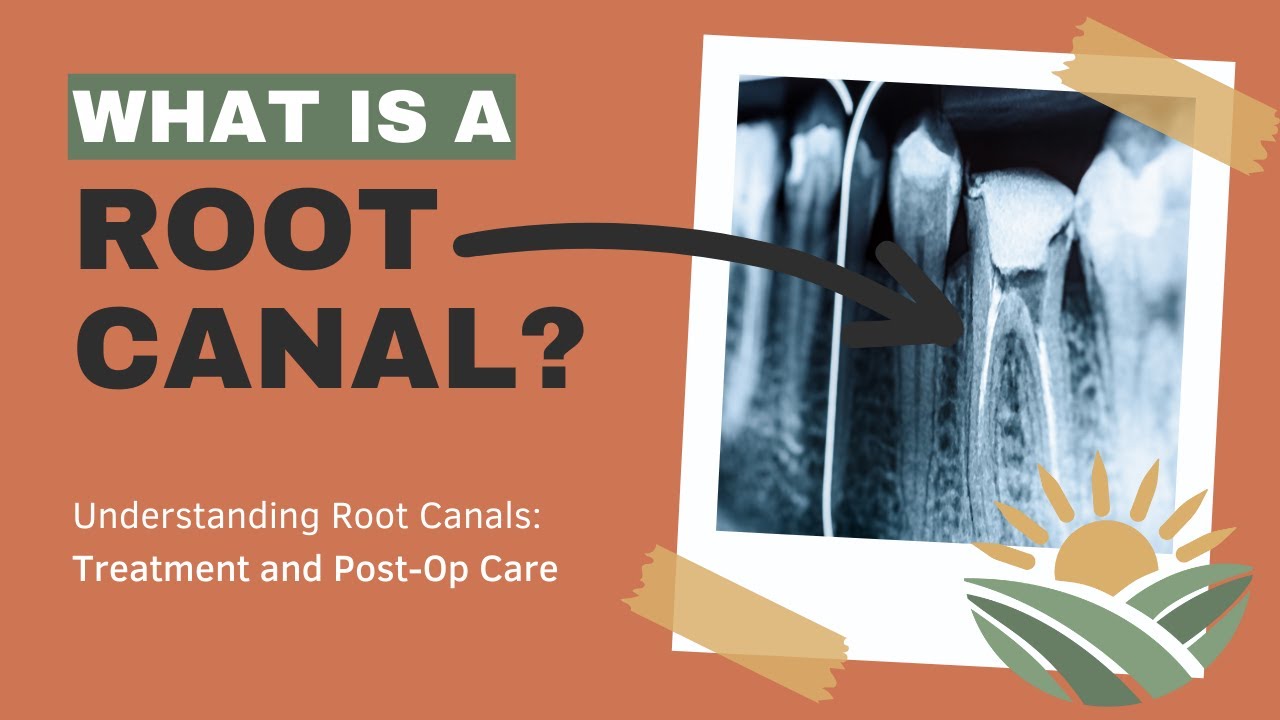
What is a Root Canal? Understanding Dental Root Canals: Treatment and Post-Op Care
Автор: Greeley Dental Care
Загружено: 2024-01-30
Просмотров: 790
Описание:
Root canals often come with a reputation that precedes them, but understanding what they are and what the treatment entails can ease many of the anxieties surrounding this common dental procedure. Let's demystify root canals and discuss what you can expect during and after the treatment.
What is a Root Canal?
At its core, a root canal is a dental procedure designed to save a tooth that is severely infected or damaged. The name "root canal" actually refers to the natural cavity within the center of the tooth, which houses the nerve and pulp. When this area becomes infected or inflamed, it can lead to pain and, if left untreated, more serious oral health issues.
Causes of Root Canal Problems
The need for a root canal typically arises from:
• Deep decay due to untreated cavities
• Chips or cracks in the tooth
• Repeated dental procedures on the same tooth
• Trauma to the tooth, such as a crack, chip, or even injury without visible damage
The Root Canal Procedure
Diagnosis and X-ray: Your dentist will first take an X-ray to see the shape of the root canals and determine if there are any signs of infection in the surrounding bone.
Anesthesia: Local anesthesia is administered to numb the area and ensure you're comfortable during the procedure.
Pulpectomy: An opening is made, and the infected tooth pulp is removed from the tooth.
Cleaning and Sealing: After the pulp is removed, the inside of the tooth is cleaned and disinfected. It's then filled and sealed with a material called gutta-percha.
Filling or Crown: Finally, the tooth may need a filling or a crown to restore it to full function.
Post-Op Care: What to Expect After a Root Canal
After your root canal, it's normal to experience some discomfort. This can include:
• Sensitivity to hot or cold
• Mild soreness or discomfort in the jaw from keeping your mouth open
• Mild swelling
Tips for Post-Root Canal Care:
Pain Management: Over-the-counter pain relievers like ibuprofen or acetaminophen can help manage any discomfort.
Avoid Hard Foods: Stick to soft foods for a few days to avoid undue pressure on the treated tooth.
Maintain Good Oral Hygiene: Continue brushing and flossing regularly, but be gentle around the treated area.
Follow Up: Attend any follow-up appointments as recommended by your dentist to ensure proper healing.
Contact Your Dentist if Symptoms Worsen: If you experience severe pain, visible swelling, or an allergic reaction to medication, contact your dentist immediately.
Conclusion
Remember, a root canal is a treatment of choice to save an infected or decayed tooth and prevent further oral health issues. With modern techniques and anesthesia, it's typically no more uncomfortable than having a filling placed. After a root canal, with proper care and dental hygiene, the treated tooth can last as long as your natural teeth.
Повторяем попытку...
Доступные форматы для скачивания:
Скачать видео
-
Информация по загрузке: