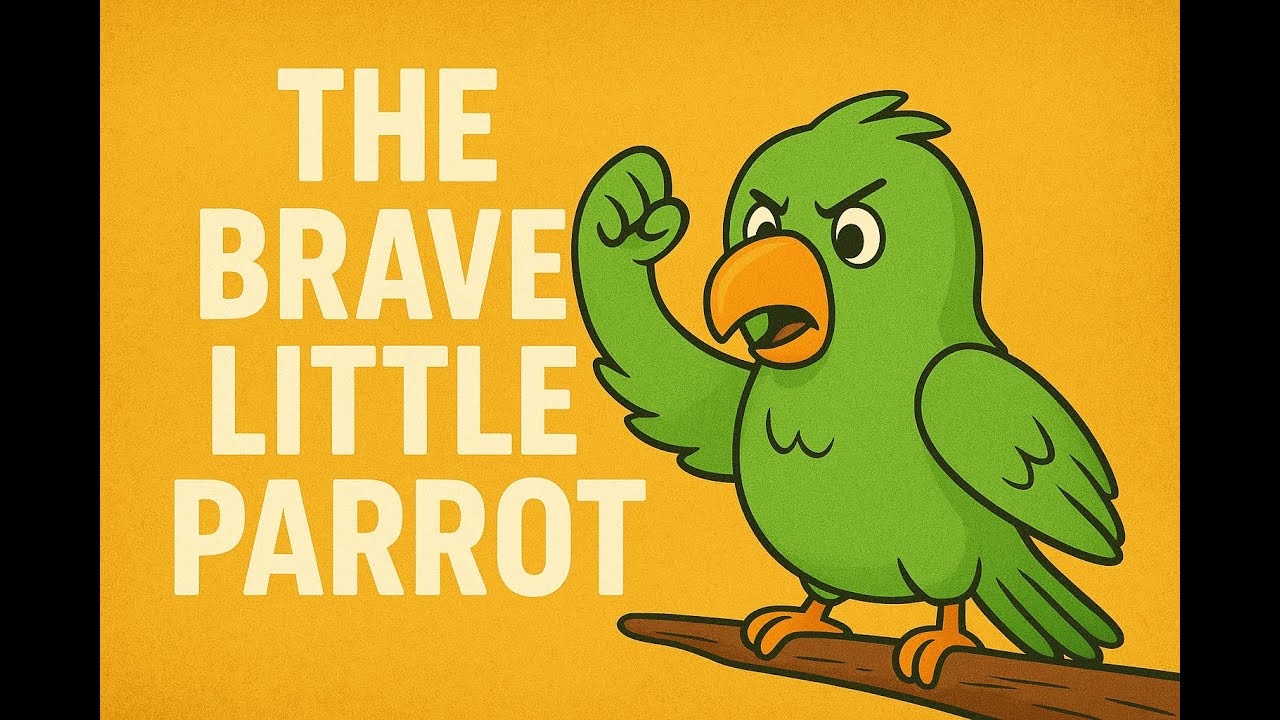
The Parrot in the Cage | Four Levels | Point wise Summary |BBA English | 2025
Автор: BBA English
Загружено: 2025-08-17
Просмотров: 571
Описание:
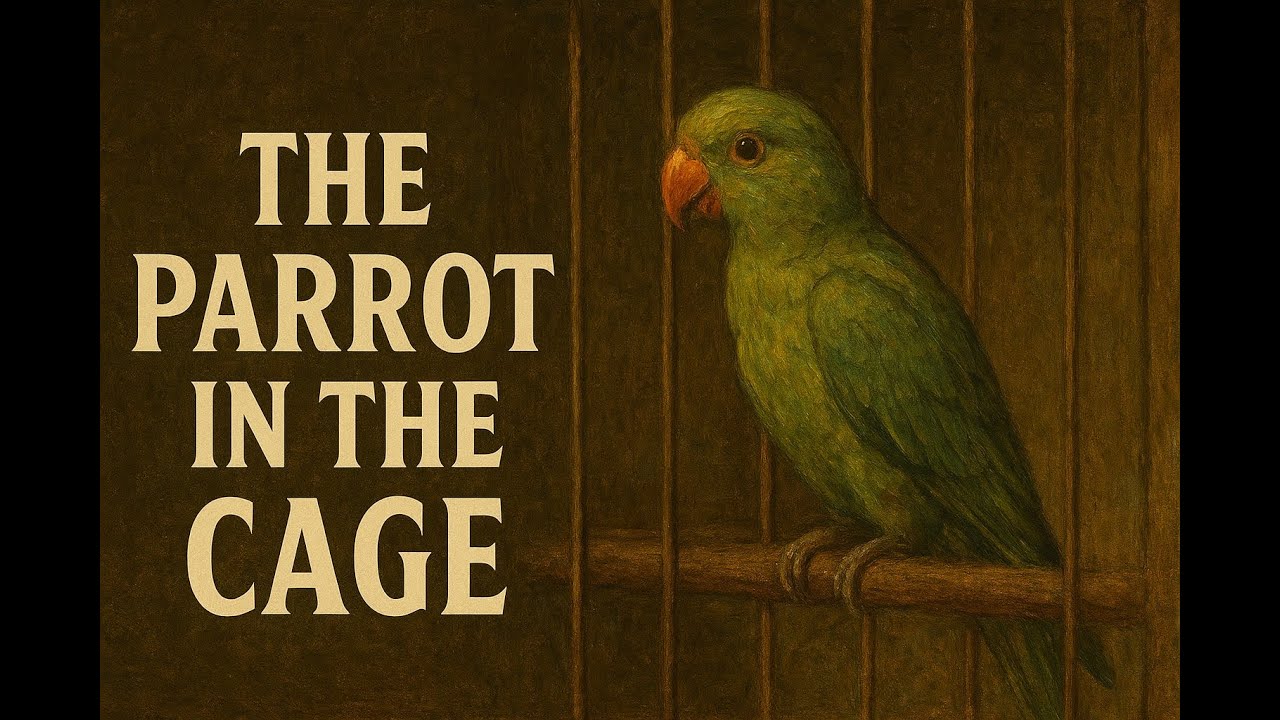
The characters in "The Parrot in the Cage" vary depending on the specific story or poem being referenced. Generally, the central character is a parrot, often symbolizing captivity and a desire for freedom. Other characters may include:
"The Parrot in the Cage" (Poem by Lekhanath Paudyal):
The Parrot:
The speaker of the poem, lamenting its captivity and longing for its natural life in the forest.
The Parents/Relations:
The parrot's family, who are separated from it and likely mourning its loss.
The "Master" or "Owner":
A figure who keeps the parrot in a cage, representing the oppressor or those who impose limitations on others.
The "Enemies":
Those the parrot perceives as threats within its cage, highlighting the fear and isolation of captivity.
"The Parrot in the Cage" (Story by Mulk Raj Anand):
Rukmani:
An elderly woman who is a victim of the partition and feels trapped and isolated, similar to the parrot.
The Parrot:
A symbol of Rukmani's own feelings of entrapment and longing for freedom, reflecting her struggle against societal constraints.
Other possible characters, depending on adaptations or interpretations:
Joe: A hunter who captures the parrot.
Erik: A little boy who encounters the parrot.
Angel: A young man who buys the parrot.
Anglia: A woman Angel loves.
The King/Those Educating the Parrot: In some interpretations, characters who attempt to control or "educate" the parrot, symbolizing societal pressures and expectations.
(Four Levels of The Parrot In The Cage Translated By Laxmi Prasad Devkota) This poem “The Parrot in The Cage ” is a monologue where the parrot laments his life inside the cage & Four Levels of The Parrot In The Cage is described as:
Literal Comprehension
Lekhanath Poudel composed the poem “The Parrot in The Cage”. The poem is a bitter satire on the then Rana regime that deprived Nepalese people of freedom. The speaker has carefully painted the conditions that surround the parrot’s life. This poem is a monologue in which the parrot laments his life inside the cage. The parrot recalls how he used to fly and wander around the forests eating wild fruits, but now fate has tricked into the cage. He is deprived of cool water, shades and delicious fruits. All those things have vanishes & they are like dreams. His parents may be weeping to beat their breasts. He does not find any escape from the cage because he sees only enemies around the cage. He tries to break the cage but his beak is blunt now, wings are cramped.
He is given a stirred measure of third class rice and devoid of water. If he refuses to prate, his master threatens. He forces to respond to the caller. He curses God for giving him the power of speech because it is the reason for his grief. Lastly, the parrot tells how the human race in hostile and how there is the exploitation of one’s talent. He strongly prays to God not to let anyone have the life of parrot until how long the men are on the Earth.
Interpretation
This poem is trying to advocates the freedom of Nepalese people in the Rana regime. The Nepalese had been ruled by the Rana’s for one hundred and four years. During that period people were deprived of all kinds of freedom, justice & happiness. The speaker in the poem is disappointed by the harsh reality of man’s life. Also, it shows, in the difficulties, Hindu culture people pray to God, similarly in this poem parrot also prays to God. And, the torture given by Rana’s to the Nepalese people is described & indirectly criticized in the poem.
Critical Thinking
Although this poem indirectly criticized the Rana regime, there are some points in the poem with which I do not agree. In real life, does a parrot speak like a human to express his sorrows? How can the birds organize the feast? In the poem, the human race is said hostile. How can all humans be hostile to their pets? Many people have kept dogs, cats, rabbits, parrot, etc. in their homes as pet animals and they are friendly to their pet animals. Who are the parrot’s real enemies and how can they stay every time around him? what does the word third-class price mean?
Assimilation
After reading this poem, I have realized how cruel the Rana regime was. I always stand for the freedom of human beings. As Jean Jacks, Russian said, “Man is born free and wants to live free”. Thus, I request all human beings not to capture any animal as well as not any citizens at the name of the ruling system or any pleasure.
Повторяем попытку...
Доступные форматы для скачивания:
Скачать видео
-
Информация по загрузке:




![[4K FULL HD] Relaxing Water Background | 1 HOUR | Calm Water Wallpaper (No Sound)](https://imager.clipsaver.ru/y9PTNTSpGJs/max.jpg)