The Philippines is one of the world's favourite BPO destinations
Автор: Bpo Search
Загружено: 2025-08-30
Просмотров: 20331
Описание:
The Philippines BPO sector has rapidly risen to become one of the most dominant forces in global outsourcing. With a combination of a young, educated workforce, strong English proficiency and a government that is highly supportive of the BPO industry, the country continues to attract major global brands. Companies worldwide are choosing the Philippines for customer support, IT services, finance, healthcare and more – driven by its proven ability to deliver quality, scale, and value.
Over 1.5 million people are powering the Philippines BPO industry to make it a global destination of choice. A large talent pool with world-class English proficiency and strong cultural affinity with Western countries makes the Philippines a go-to market for companies from around the world. The inherent customer-centric culture of Filipino agents fosters a service-orientated environment, which results in high customer satisfaction.
The estimated population of the Philippines in 2025 is around 116.78 million people, with just under 14 million people living in Manila, the capital city. The Philippines has an annual GDP in the region of $450 billion USD. According to the IT and Business Process Association of the Philippines (IBPAP), the sector contributes $29.1 billion in revenue to the local economy, comprising 7.5% of the nation’s GDP. Filipino and English are the official languages of the Philippines; Tagalog and Cebuano are the most widely spoken native languages. English has official status due to the Philippines being a colony of the United States between 1898 and 1946. The country’s strong English proficiency is a significant asset, especially in fields like business and customer service, contributing to its global competitiveness.
The Philippines produces more than 1.5 million high school graduates and approximately 500,000 college graduates every year. Schools are increasingly incorporating digital skills, helping students become comfortable with productivity tools, CRMs, data entry systems, and other platforms used in BPO work. Many schools and universities include public speaking, writing, and interpersonal communication in their curriculum and help develop soft skills like empathy, problem-solving, and active listening. The Philippines has just under 2,000 higher education institutions. Some universities have introduced specialised courses, like the Minor in Service Management, developed in collaboration with the Commission on Higher Education's (CHED) and the Information Technology and Business Process Association of the Philippines' (IBPAP). Programs like TESDA (the Technical Education and Skills Development Authority) offer BPO-specific training (e.g., Contact Centre Services NC II).
In 1995, the Philippine government enacted Republic Act No. The Special Economic Zone Act, also known as Republic Act No. 7916, was enacted by the Philippine government in 1995. This legislation positions the country as an attractive destination for Business Process Outsourcing (BPO) by providing tax incentives. Corporate Income Tax Exemptions are available via the Board of Investments (BOI), where BPO companies can receive a four-year corporate income tax exemption with a possible two-year extension. The Philippine Economic Zone Authority (PEZA), which operates under the Department of Trade and Industry, promotes these incentives to encourage investment. To keep up with the rise of remote work, the government and the Fiscal Incentives Review Board (FIRB) have agreed on a policy that lets IT-BPM/BPO companies work completely remotely while still keeping their tax benefits.
The BPO industry in the Philippines officially began when Accenture, then Andersen Consulting, established a global resource centre in Manila. Today, the BPO industry contributes over $35 billion annually, representing about 8.4% of the country’s GDP. The BPO industry employs 1.7 million Filipinos, offering high-paying jobs in urban and provincial areas alike. Demand for BPO services is also a key driver for commercial office spaces, especially in cities like Metro Manila, Cebu, and Davao. With over 400 members, iBPAP serves as the primary industry association for the BPO sector. The Philippine IT-BPM industry is targeting revenue of $59 billion and aims to employ up to 2.55 million people by 2028. We have developed a comprehensive roadmap in collaboration with the Everest Group to support this ambitious goal.
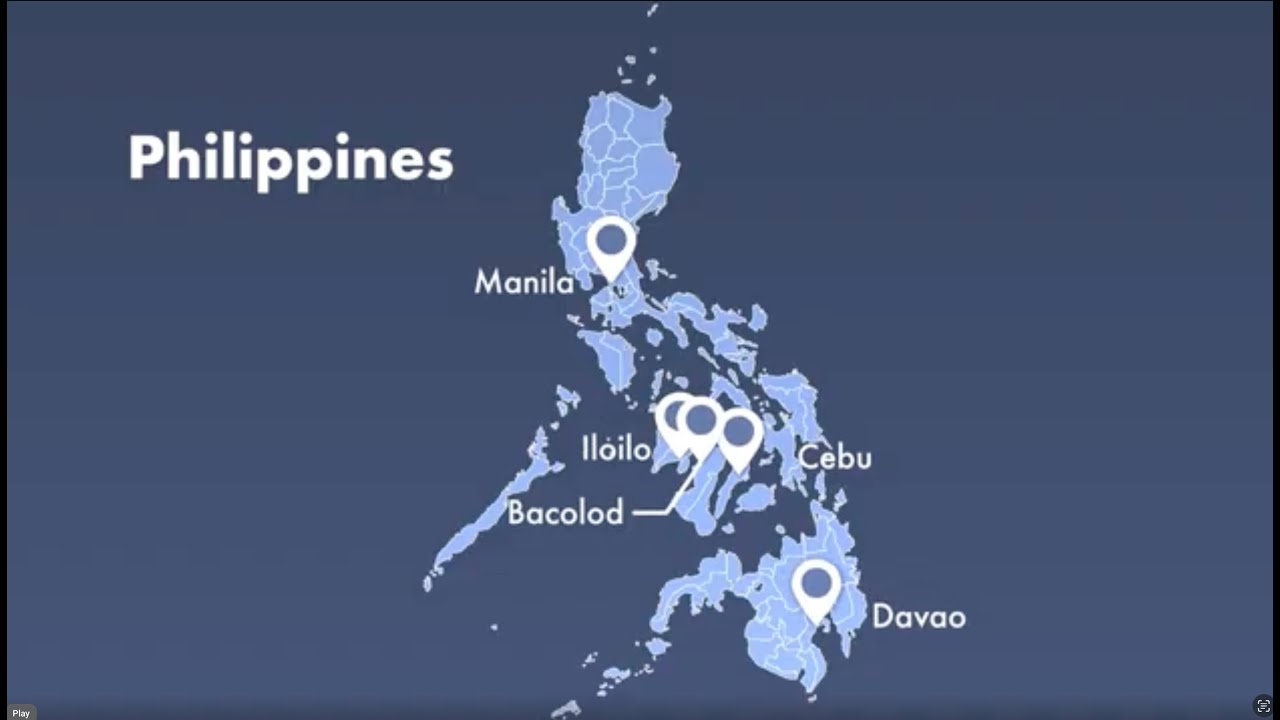
Check out our insight directory and see what makes Bacolod, Cebu, Davao, Iloilo or Manila the city best suited for your Business Process Outsourcing needs.
Tap this link to find out more – https://bposearch.com/bpo-countries/
Повторяем попытку...
Доступные форматы для скачивания:
Скачать видео
-
Информация по загрузке: