A Very Slow History of How Humans Survived Winter Before Modern Heating |
Автор: Boring History
Загружено: 2026-01-24
Просмотров: 11
Описание:
❄️ A Very Slow History of How Humans Survived Winter Before Modern Heating
Let the frantic pace of the modern world dissolve into the long, quiet shadows of human history. In tonight’s extended episode of Boring History For Sleep, we take a panoramic yet incredibly methodical look at the evolution of human warmth.
Before the thermostat and the electric heater, survival was a rhythmic, daily commitment. Tonight, we move slowly through the ages—from the Paleolithic caves of the Pyrenees to the sophisticated hypocausts of Rome, through the smoky Great Halls of the Middle Ages, and into the coal-fired hearths of the industrial era.
This is not a history of great inventions, but of incremental comforts. We will describe the specific heat-retention properties of various stone types, the chemistry of a slow-burning peat fire, and the precise weave of a wool blanket. There are no sudden shocks, no loud transitions, and no dramatic music. This is a steady, monotone journey designed to lead you into a deep and restorative sleep.
Perfect for: Chronic insomnia, high-stress recovery, white noise replacement, or history lovers who find peace in the long, slow arc of human endurance.
🕒 The Timeline of Warmth (Timestamps):
0:00:00 The First Spark: Paleolithic Hearth Maintenance
0:25:30 The Roman Hypocaust: A Rhythmic Look at Underfloor Heat
1:05:45 Medieval Thermal Mass: Living in the Great Hall
1:45:10 The Tudor Fireplace: The Science of the Chimney Breast
2:20:30 The Industrial Stove: The Steady Clink of Cast Iron
2:55:15 The Art of Insulation: From Animal Hides to Heavy Velvet
3:30:40 The Winter Pantry: Caloric Logistics for Survival
4:05:00 Soft Winter Wind & Ancient Fire Ambience (Extended 4-Hour Fade)
📜 What You’ll Observe (While You Drift Off):
The Evolution of the Hearth: A slow-paced look at how the fire moved from the center of the room to the wall, changing the very shape of human interaction.
Thermal Engineering: How different cultures used the earth itself—turf, mud, and stone—to create "thermal batteries" that stayed warm long after the fire died down.
The Science of Layering: A methodical description of the fabrics that saved lives, from raw sheep’s wool to the heavy tapestries of the 17th century.
Circadian Rhythms: Why the "long winter night" once provided the deepest, most natural sleep in human history, and how we can reclaim that stillness tonight.
💤 Optimized for a Full Night's Rest:
Narration: Delivered in a steady, hypnotic, and unhurried cadence to lower the listener's heart rate.
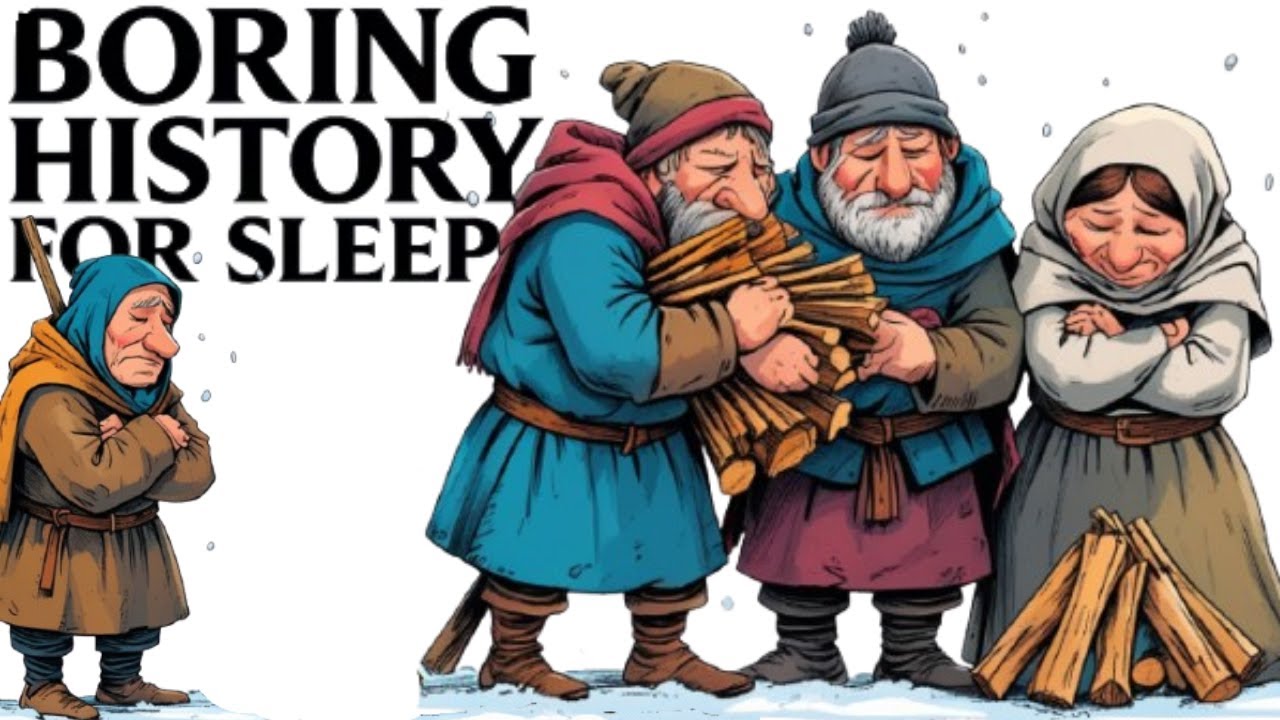
Visuals: Dark, amber-toned historical illustrations and slow-drifting snow textures to support melatonin production.
Audio: Professionally mastered for "Audio-Only" listening—perfect for headphones or bedside speakers with no sudden volume spikes.
🔗 Join the Archive of Stillness:
Subscribe for Weekly Long-Form Sleep History: [Insert Link]
Support the Channel on Patreon: [Insert Link]
The "Full History of Survival" Playlist: [Insert Link]
📜 About the Channel:
Boring History For Sleep is built on the belief that the past is most beautiful when it is quiet. We find the most repetitive, mundane, and soothing parts of human history to help you disconnect from the 21st century and find the rest you deserve.
⚠️ Disclaimer:
This video is for relaxation and educational purposes. While historically researched, the presentation is specifically designed to assist with sleep and meditation.
#HistoryForSleep #BoringHistory #WinterSurvival #AncientHistory #ASMRHistory #BedtimeStoriesForAdults #InsomniaRelief #RelaxingVoice #MedievalHistory #RomanHistory #SurvivalHistory
Повторяем попытку...
Доступные форматы для скачивания:
Скачать видео
-
Информация по загрузке: