Generative Imagery: Stop Settling for Stock
Автор: Boagworld Podcast
Загружено: 2026-01-22
Просмотров: 28
Описание:
If you've been reading this newsletter for a while, you'll have noticed I tend to focus on the big-picture stuff: organizational change, building design culture, getting stakeholder buy-in. This week I'm doing something different and getting into the weeds on generative imagery, a tool that's become part of my daily workflow. I'm genuinely curious whether you prefer the strategic content, the practical how-to pieces, or a mix of both. Hit reply and let me know.
Generative imagery is quickly becoming an essential tool in the modern designer's toolkit. Whether you're a UI designer crafting interfaces, a UX designer building prototypes, or a marketer creating campaign visuals, the ability to generate exactly the image you need (rather than settling for whatever stock libraries happen to have) is genuinely useful.
The Ethical Dimension
There's an ethical dimension here that makes me uncomfortable. Using generative imagery does, in theory, take work away from illustrators and photographers. I don't love that. But I also recognize that this is a pattern we've seen throughout history. Technology has consistently made certain professions more niche rather than making them disappear entirely. Blacksmiths still exist. Vinyl records still sell. And I suspect custom photography and illustration will follow the same path, becoming more specialized rather than vanishing completely.
Besides, if we're being realistic, most of us weren't commissioning custom photography for every project anyway. We were pulling images from stock libraries, and I can't say I'll miss spending 45 minutes searching for a photo that almost works but has the person looking in the wrong direction.
So with that acknowledged, let's get into the practical side of things.
When to Avoid Generative Imagery
Before diving into how to use these tools well, it's worth noting when you shouldn't use them at all. Generative imagery has no place when you need to represent real people or real events. If you're showing your actual team, documenting a real conference, or depicting genuine customer stories, you need real photography. Anything else would be misleading, and your audience will likely spot it anyway.
Why It Beats Stock Libraries
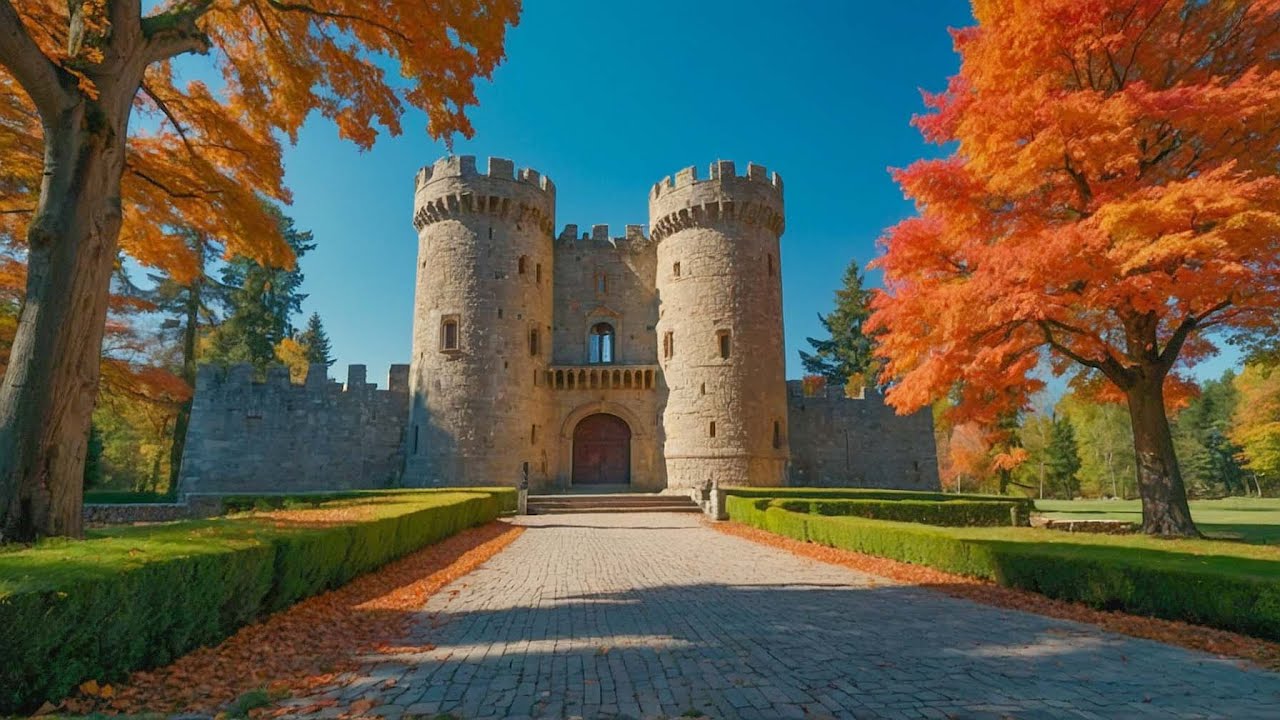
For everything else, though, generative imagery offers some serious advantages over traditional stock. You can get exactly the pose you want, in exactly the style you need, matching your specific color palette. No more "this photo would be perfect if only the person was looking left instead of right" compromises.
This matters more than you might think. Research suggests that users form initial impressions of a website in roughly 50 milliseconds (https://www.tandfonline.com/doi/abs/1...) . That's not enough time to read anything. Those snap judgments are based almost entirely on imagery, layout, color, and typography. The right image doesn't just look nice; it shapes how users feel about your entire site before they've processed a single word.
Imagery also gives you a powerful tool for directing attention. A well-chosen image can guide users toward your key content or call to action in ways that feel natural rather than pushy.
The right image composition can draw attention to critical calls to action.
Copyright and Commercial Use
Before you start generating images for client work, you need to understand the legal landscape. And yes, it's a bit murky.
The short version: most major AI image generators allow commercial use of the images you create, but the terms vary. Midjourney (https://www.midjourney.com/) allows commercial use for paid subscribers. Adobe Firefly (https://www.adobe.com/products/firefl...) positions itself as "commercially safe" because it was trained on licensed content and Adobe Stock images. Google's Nano Banana Pro (accessible through Gemini) also permits commercial use.
The murkier issue is around training data. Several ongoing lawsuits are challenging whether AI companies had the right to train their models on copyrighted images in the first place. These cases haven't been resolved yet, and depending on how they play out, the landscape could shift.
For now, my practical advice is this: use reputable tools with clear commercial terms, avoid generating images that deliberately mimic a specific artist's recognizable style, and keep an eye on how the legal situation develops. For most standard commercial work (website imagery, marketing materials, UI mockups), you should be fine.
Choosing the Right Tool: Style vs. Instructions
When selecting which AI model to use, you're essentially balancing two considerations: stylistic output and instructional accuracy.
Stylistic Output
Every model has its own aesthetic fingerprint. No matter how specific your prompts are, Midjourney images have a certain look, and Nano Banana images have a different one. You need to find a model whose default aesthetic works for your project.
Instructional Accuracy
The other consid...
Повторяем попытку...

Доступные форматы для скачивания:
Скачать видео
-
Информация по загрузке: