Krishna Gaanamrutham (6) - Sanskrit Krithi (Sahana) - "Vasudevaya Namo" (Oothukkadu Venkatakavi)
Автор: Shanga Chakra Gadha Padmam
Загружено: 2013-12-14
Просмотров: 7624
Описание:
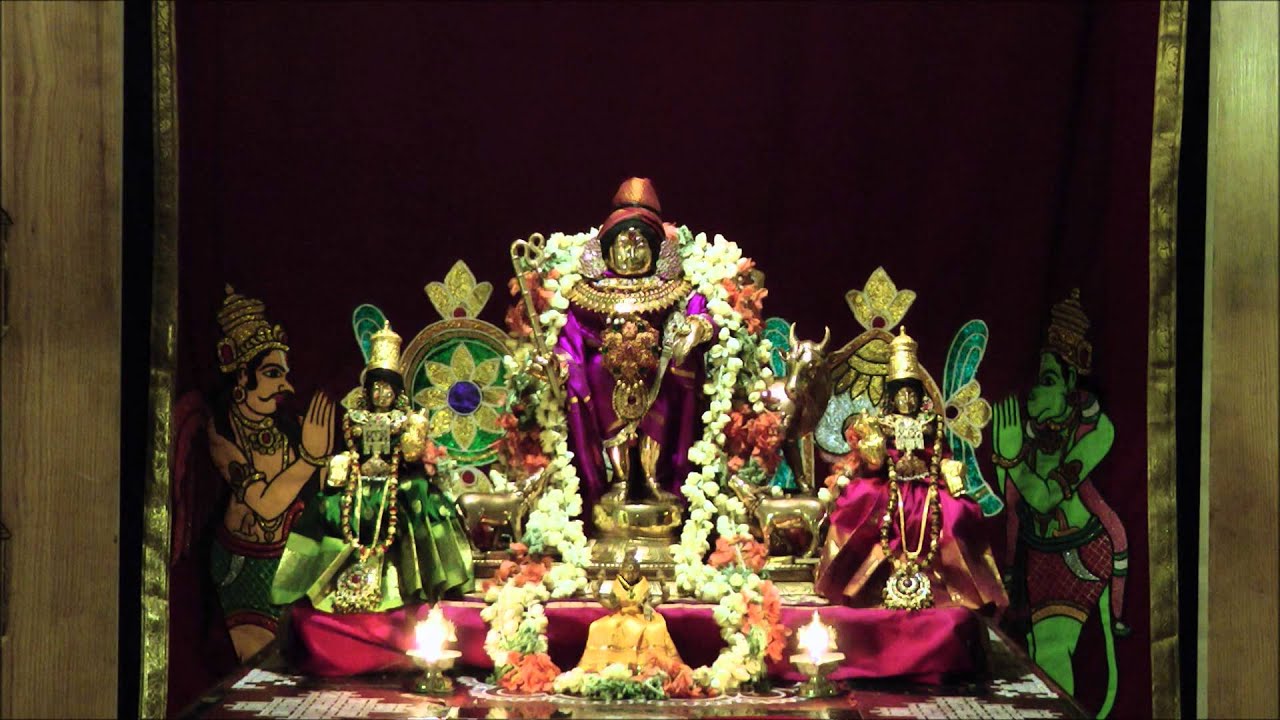
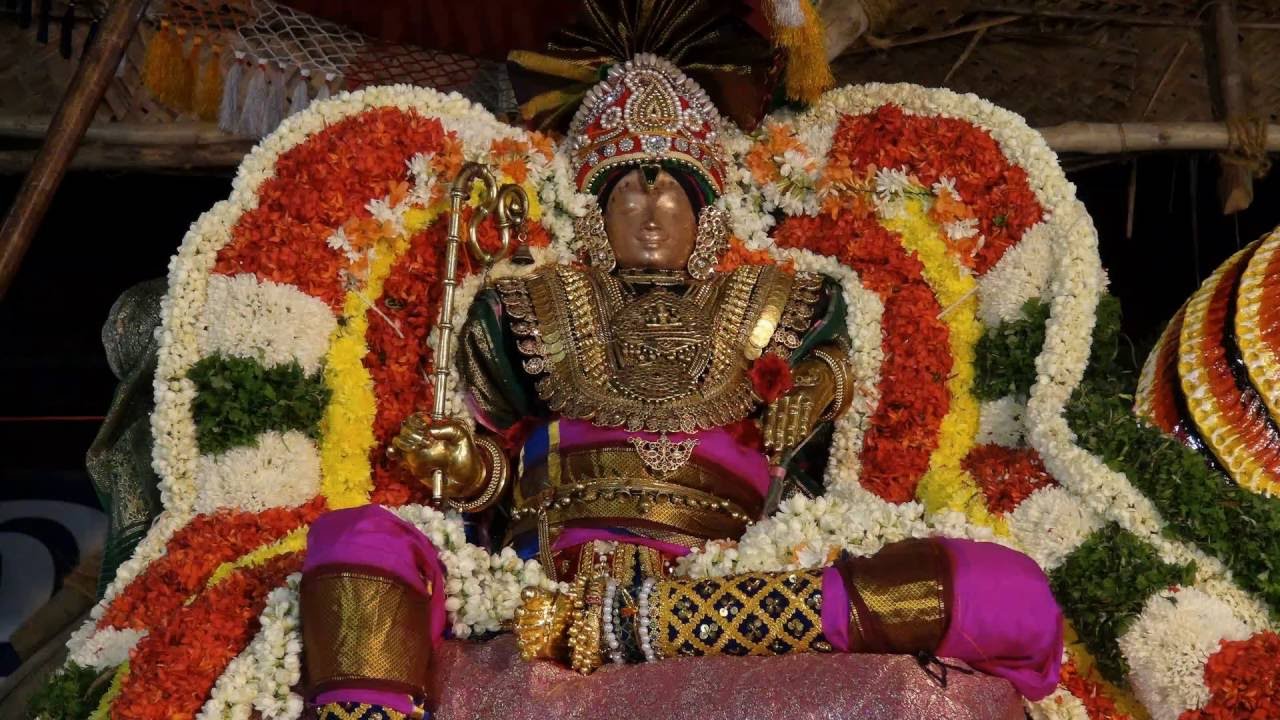
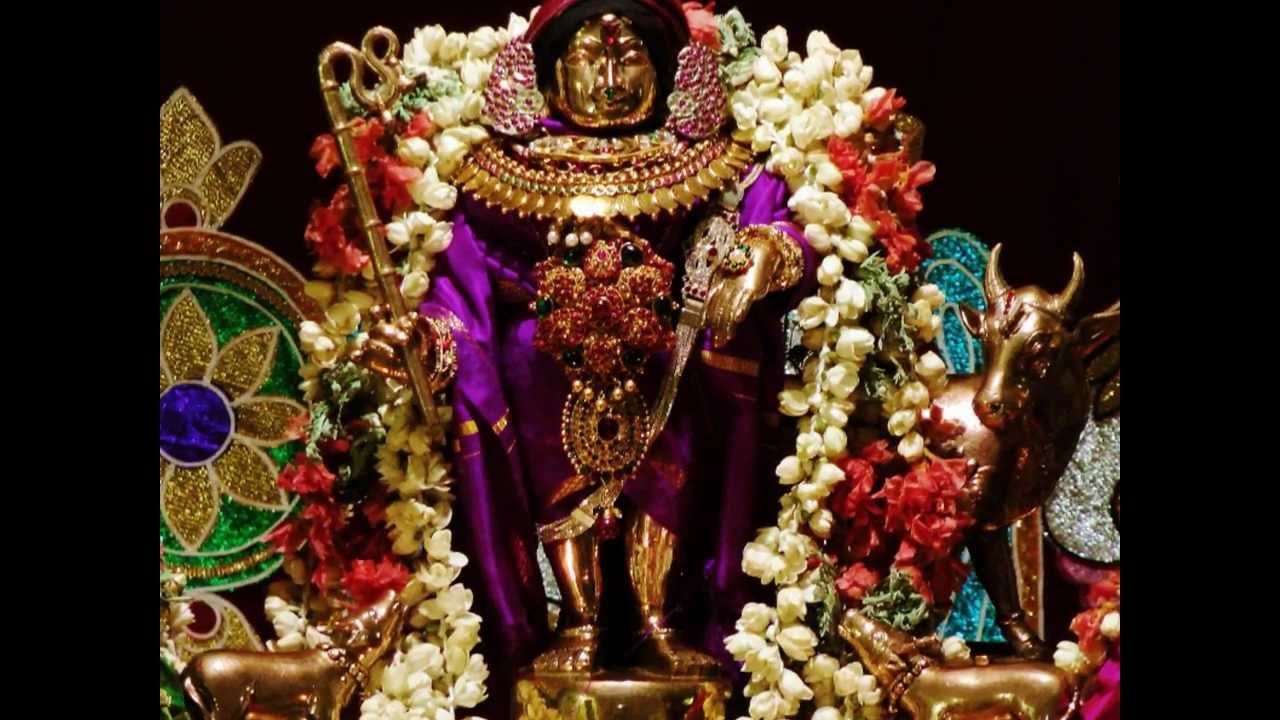
Sri Rukmini & Satyabhama Samedha Sri Vidya Rajagopalan (Sri Krishna as Cowherd) at my Home Thirumaligai (Sanctum) during Thula Masam Panchaparva Kaisika Ekadesi 2013. The accompanying Sanskrit Carnatic Krithi is rendered by Padma Bhushan Sri. Madurai T.N. Seshagopalan in Raga "Sahana".
My Thirumaligai (Sanctum) operated out of a Basement Space hosts Sriman Narayana with his Consorts Sridevi-Bhudevi, Sri Mahalakshmi , Sri Yoga Narasimha, Sri Lakshmi Narasimha, Sri Dolai Kannan (Bala Krishna), Sri Aandal, Sri Ram Parivar, Sri Ramanuja , Sri Manavalamamuni & Sri Satyanarayanaswamy. All Alangarams, Daily rituals (Thenkalai Nithyanusandhanam Sampradaya) and Kainkariyams are performed for the Lord including all auspicious events. Panchaparva Seva & Thirumanjanam (Holy Bath) is performed on Ekadesi, Amavasya, Purnima and when Revathi Star is in Ascendence.
The images and clips used in this Video are of my Home Deities during Prayer Observance (Sanctum). The audio/sound recordings are used where ever necessary without any commercial intentions or monetary benefit according to "Fair Use" and mainly for educating audience into Vaishnavism, Dravida Vedam (Divyaprabandham), Works of Acharyas, Sanskrit Vedic Hymns, Shlokas, Mantras, Carnatic and Devotional music by providing visuals for better appreciation and for listening pleasure & spiritual realization. Most of the Shlokas, Mantras, Vedas and Divyaprabandhams are available in Public Domain and is recited in all Vaishnava Temples & 108 Divyadesams.
In Tamil Nadu, India, the shrine dedicated to Sri Vidya Rajagopalan, is a vast temple complex with a 1000 year old history. Referred to as Dakshina Dwaraka and as Champakaranyam, this temple is located in the town of Mannargudi, and is well connected by rail and road to Thanjavur, Kumbhakonam, Tiruvarur and other towns in the erstwhile Thanjavur district, Tamil Nadu India. The innermost sanctum here about a thousand years old although the first stone structure here was built only during the reign of Kulottunga Chola I (1113 AD); this temple is also referred to as Kulottunga Chola Vinnagaram. Most of the outer structures date back to the later Vijayanagara period marked by a spate of temple construction projects in Tamilnadu. The sanctum of this vast temple enshrines a 7 feet high image of Vaasudeva with his consorts Sri Devi and Bhoodevi, and the festival images of Sree Vidya Rajagopala, his consorts Rukmini and Satyabhama, and an image of Santanagopalakrishna. The Sree Vidya Yantram in the sanctum is of significance here. None of the Alwars have sung of the glory of this shrine, as this temple came into existence only at a later date. However, Manavala Maamuni has sung praises of this temple; so has Muthuswamy Deekshitar (18th century)- one of the revered composers in the Karnatic Music idiom. Oothukkaadu Venkatasubbaier, (who preceded the Carnatic Music trinity), another composer in the Carnatic Music idiom made Rajagopala (Krishna) of Mannargudi the center of the multitude of his compositions (as did Jayadeva with Jagannath of Puri, in his Geetagovindam).
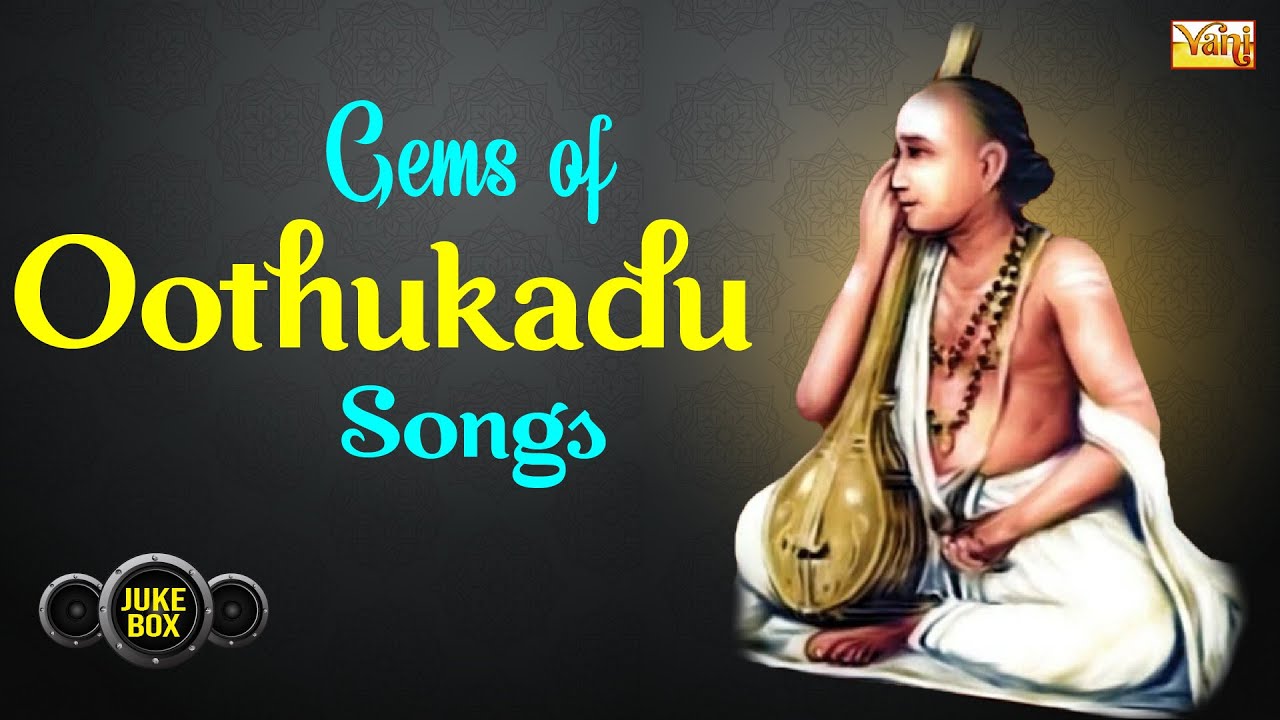
Oottukkadu Venkata Kavi (Telugu: ఊత్తుక్కాడు వెంకట కవి,Tamil: ஊத்துக்காடு வேங்கட கவி, Sanskrit: ऊत्तुकाडु वेंकट कवि) (c.1700 - 1765 CE) was a prominent composer [1] in Indian classical Carnatic music. He lived in South India in the present-day state of Tamil Nadu. Also known by the name Oothukkadu Venkatasubba Iyer (real name), he composed hundreds of compositions in Sanskrit, Tamil and Marathi of which over 500 are available. These were handed down from generation to generation by the descendants of the composer's brother's family. Venkata Kavi's compositions reveal that he was a complete master of the science and art of music in all senses of the term -- melody, rhythm or lyrics and was eloquent in Sanskrit and Tamil. He was proficient in a variety of musical forms such as the kriti, tillana and kavadichindu. He used talas and themes that not many other Carnatic composers have preferred to handle. His compositions are a blend of a high degree of scholarship on a variety of subjects and inspired expression. Several pieces also reveal his humility, reverence for the great personalities before his times and the high state of bliss that he probably experienced almost ceaselessly. His works scarcely contain autobiographical notes and show that he had reached great spiritual and philosophical heights. His works also reveal the proximity he felt towards God and show his deep devotion.
Повторяем попытку...
Доступные форматы для скачивания:
Скачать видео
-
Информация по загрузке: