Dogs 101 - PUG - Top Dog Facts About the PUG
Автор: Brooklyns Corner
Загружено: 2017-10-15
Просмотров: 116094
Описание:
Dogs 101 - PUG - Top Dog Facts About the PUG
Check out More at BrooklynsCorner.com
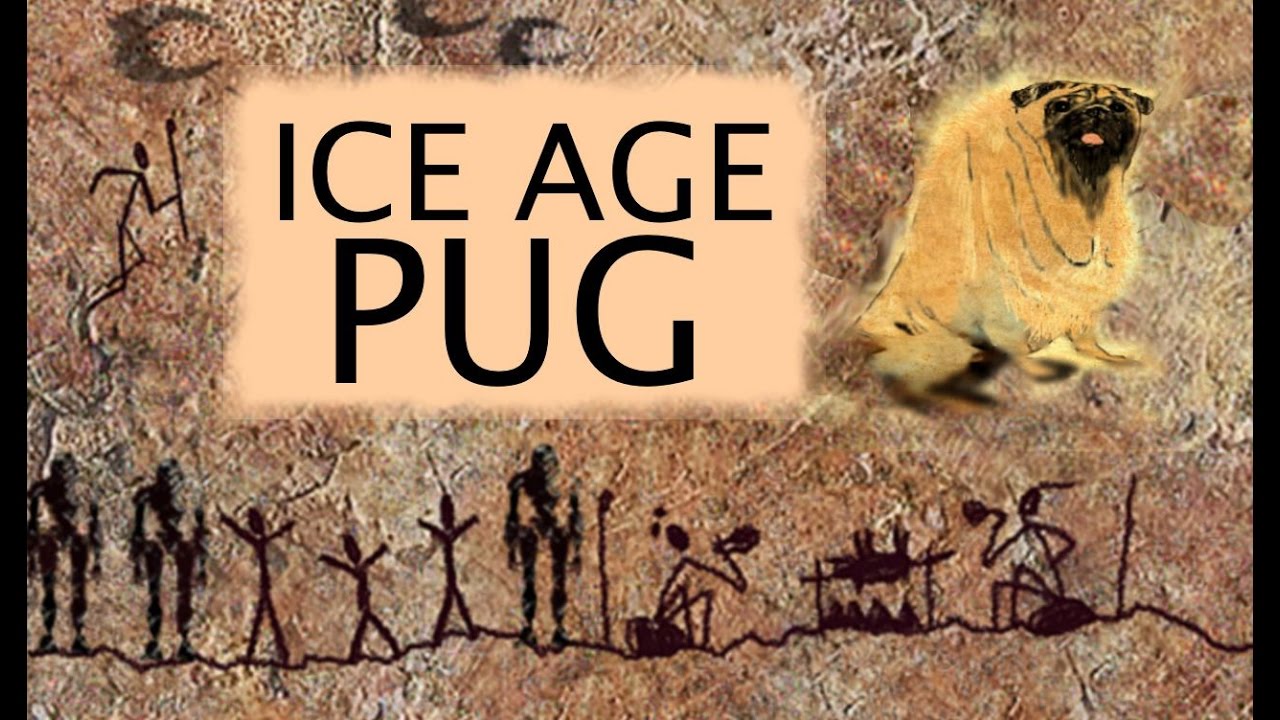
The Pug is an ancient breed of toy dogs, known for its short muzzle and wrinkly face, unique among toy dogs because of its mastiff like appearance. Its exact history is a matter of conjecture, but miniature dogs similar to the Pug are known to have been around in China and Tibet at least a few hundred years before Christ. They were highly valued companions to the Chinese royalty, and were popular with Tibetan monks as well. The Pug is believed to have reached Europe in the 16th century, first reaching the Netherlands along with the Dutch East India Trading Company. It even became the official dog of the ruling House of Orange, when the Crown Prince’s life was saved when his pet Pug alerted him to the approach of assassins. Movement of royal family members across Europe helped the Pug spread to England and France. The Pugs that were popular in the 18th and 19th centuries tended to have longer legs and muzzles. A fresh wave of Pug imports from China in the late 19th century helped develop a smaller breed standard. The Pug came to the US around the same time.
Time for some Ruff Trivia:
What is the collective term for a group of Pugs?
o A: Grumble
o B: Smile
o C: Fist
What do you think, give it your best guess in the comments below before we get to the answer! Hang on tight and we’ll get back to this Ruff Trivia Question toward the end of the video.
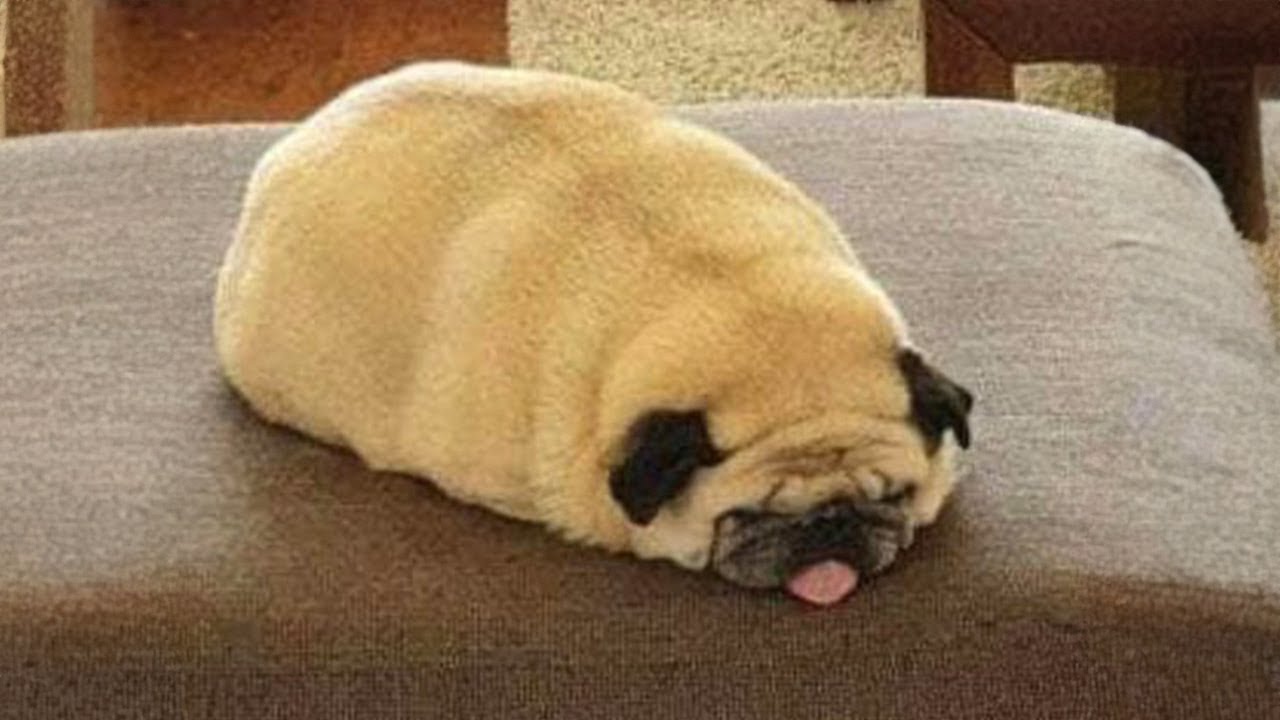
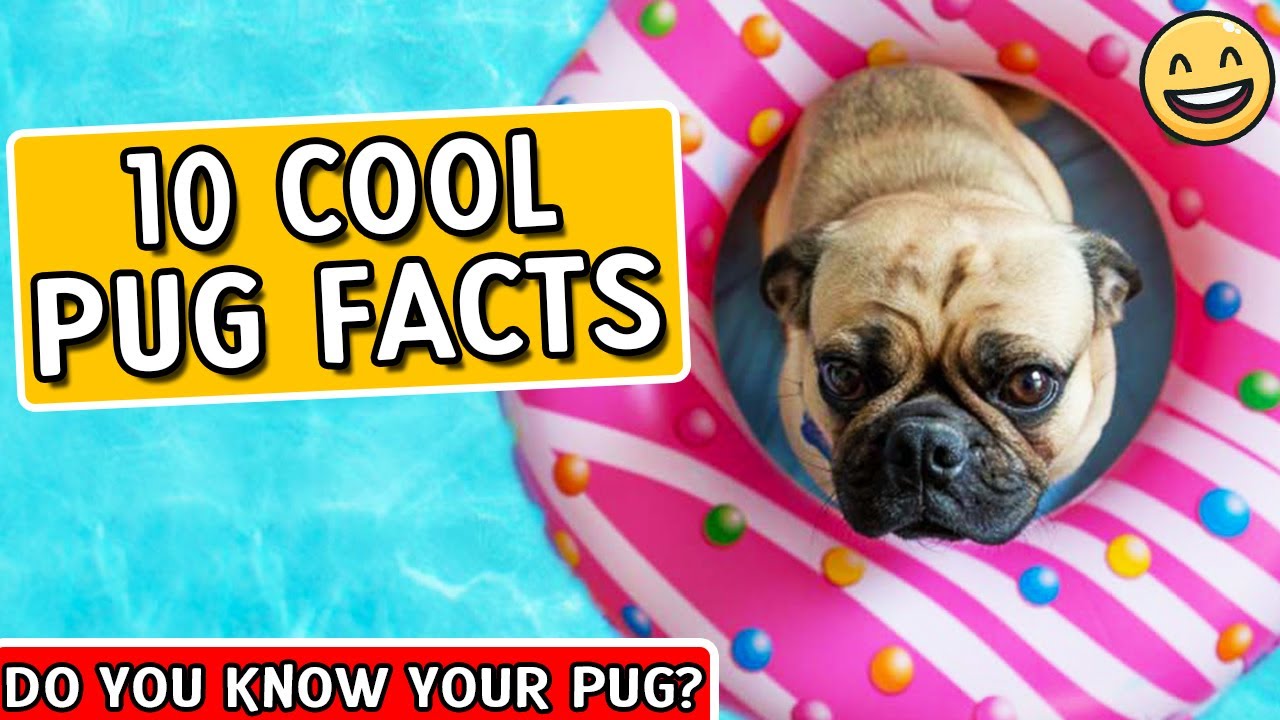
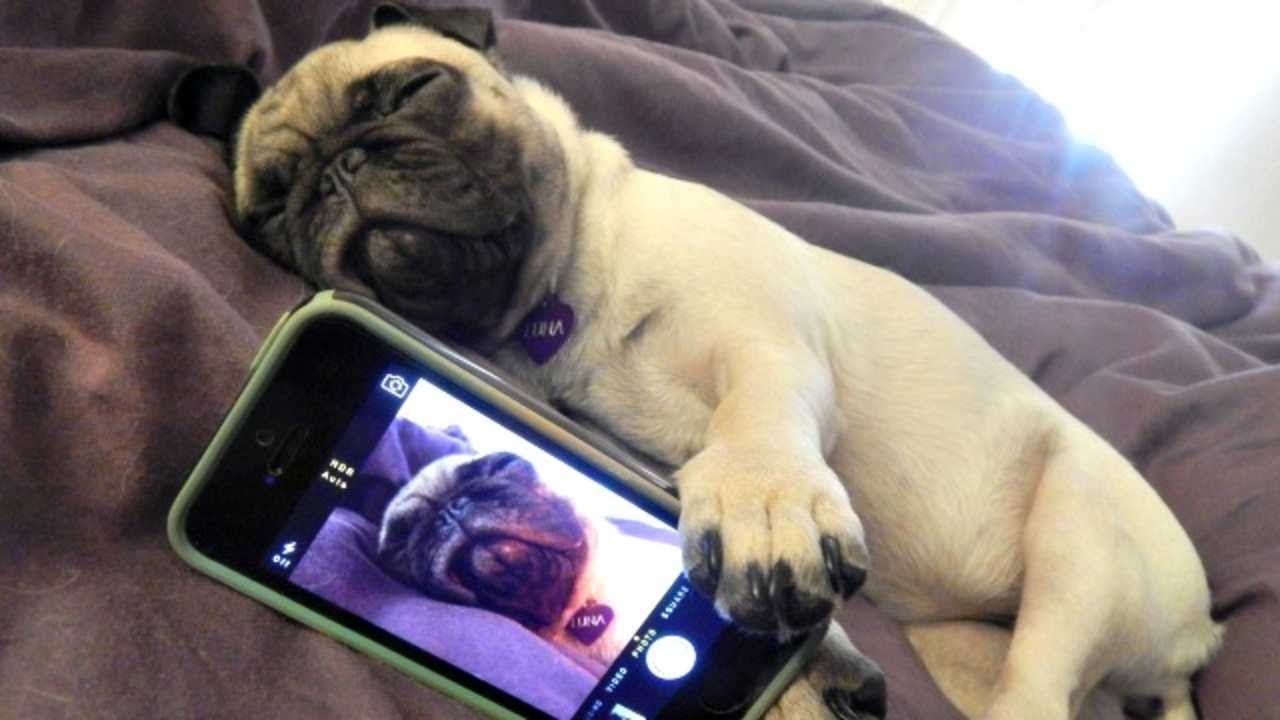
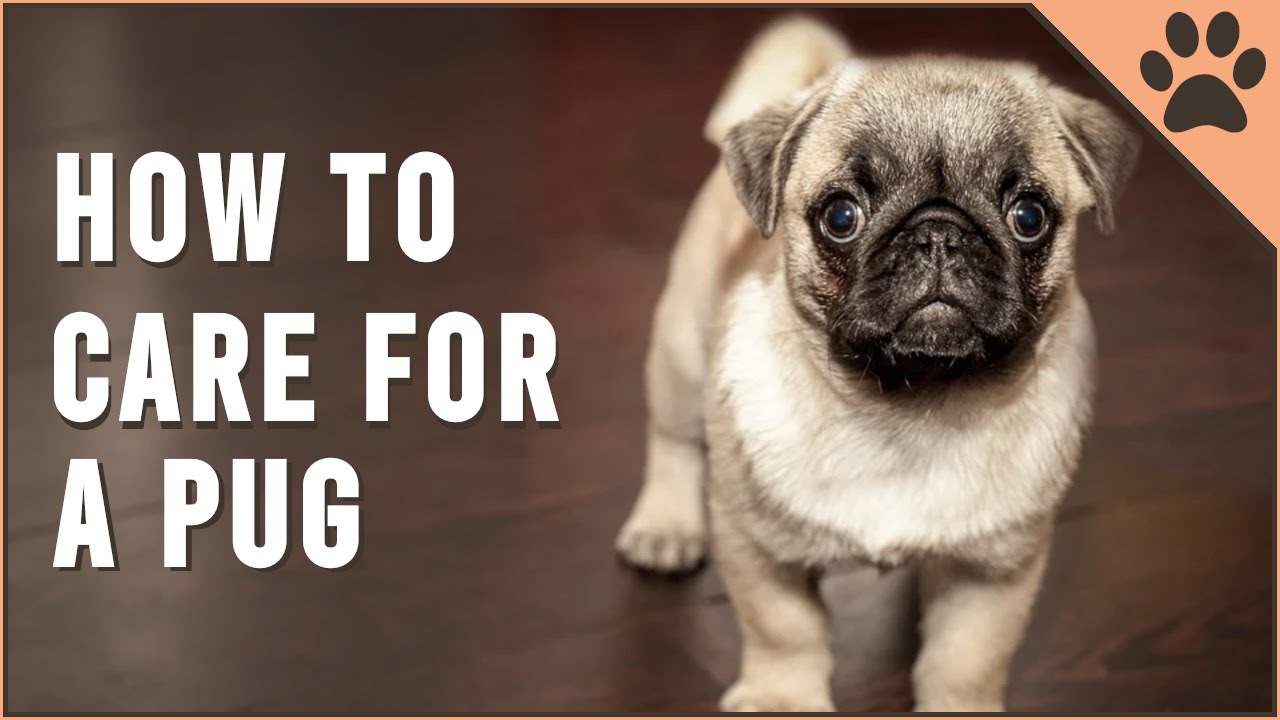
The adult Pug has an average height of 10-11 inches, and weighs between 14 and 18 pounds. The Pug’s body is square and symmetric. The head is large and round; the eyes are very large, globular and dark; muzzle is short and blunt; wrinkles are large and deep; and the jaw has a slight under bite. Ears are said to have a rose or a button shape. Rose ears are smaller than the preferred button ears. The tail is curled tightly over the hip. The coat is fine, soft, short and glossy. Colors seen are black and fawn.
Grooming: A brush twice a week should keep the Pug’s coat clean. The wrinkles need to be cleaned regularly to prevent dirt buildup. Regular brushing of teeth, trimming of nails and checking of ears for wax are needed.
Environment: Pugs are known to be very fond of children and, unlike many toy breeds, are sturdy enough to be left alone with them. They are very sensitive to the moods of their owners, and are always eager to please them. Pugs are often referred to as ‘shadows’ because they follow their owners all around. Most Pugs also tend to nap a lot.
Training: The Pug can be a headstrong dog, but can be trained easily under a firm hand. Obedience training is highly recommended. Many Pugs can also be taught simple tricks easily. The breed does not require vigorous exercise and a short game or a moderate walk should be enough. Pugs can’t bear heat or humidity, and should be kept indoors in such weather.
Health: The life expectancy of a Pug is 12 to 15 years. Common ailments can be hip dysplasia, kneecap dislocation and encephalitis. Pugs have high susceptibility to mites that can cause mange. Because of their large protruding eyes, some eye-related issues are also more common in the breed. Pugs are also prone to obesity, which can be controlled with proper diet and an active lifestyle.
The Pug is often described by the phrase ‘multum in parvo’, which is Latin for ‘a lot in a little’, which is obvious from its calm, loving, playful nature, and eagerness to be around family. Whether living in a small apartment or in a suburban house, the Pug always lives up to its long history as a close companion to humans.
Find out if the Pug would be a good addition to your home. Now you can visit Brooklyn’s Corner.com to take our quiz and find out which dog would be the best match for you.
Music by Kevin McLeod - Royalty Free
Повторяем попытку...

Доступные форматы для скачивания:
Скачать видео
-
Информация по загрузке: