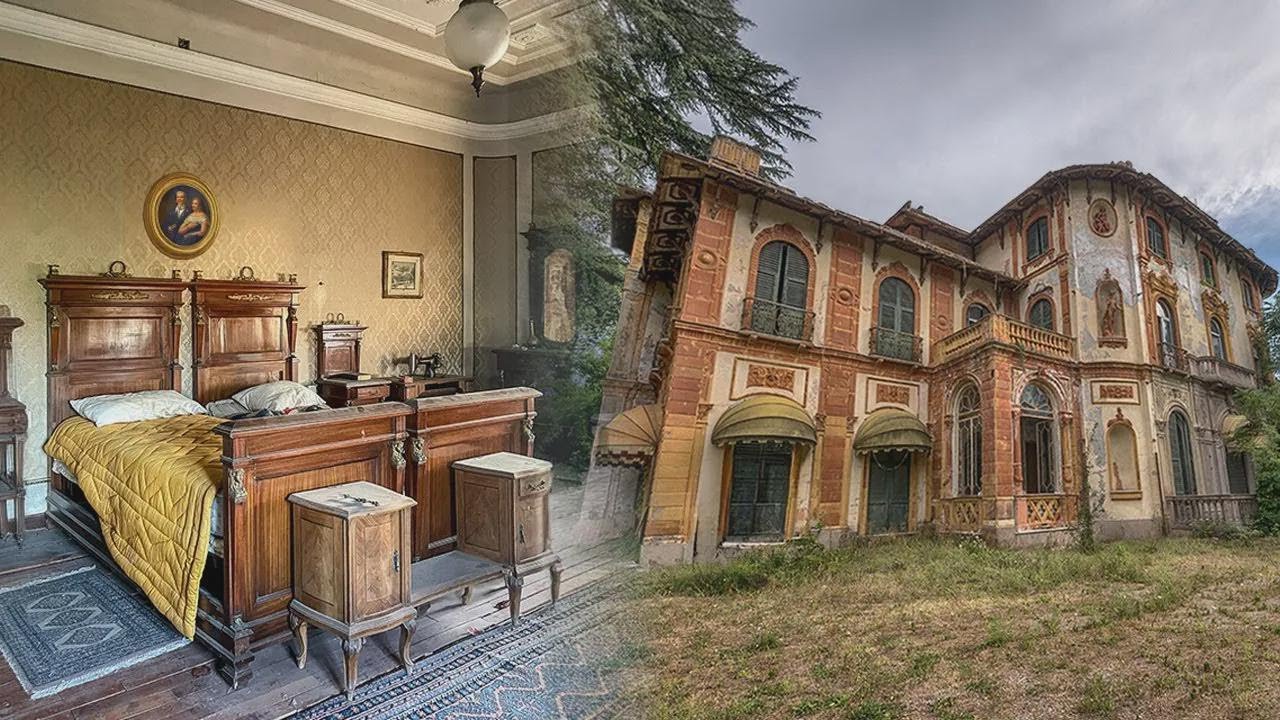
Exploring an Abandoned Brick House
Автор: M68TV
Загружено: 2024-07-15
Просмотров: 483
Описание:
Write in the comments: Year Built?
In the early to mid-1900s, making clay bricks was a detailed process involving several key steps:
Clay Extraction: Clay was typically excavated from pits or quarries located near the brickworks. Workers used shovels and picks to dig out the clay, which was then transported to the brickyard.
Preparation: Once at the brickyard, the clay was often weathered for a period of time to improve its plasticity. This involved leaving the clay exposed to the elements to soften it, making it easier to work with.
Tempering: The clay was then tempered to achieve the right consistency for molding. Temper involved mixing the clay with water and sometimes other materials such as sand or ash. This mixture was stirred and kneaded to ensure even distribution of moisture and additives.
Molding: The tempered clay was placed into wooden molds, which were shaped like the desired dimensions of the bricks. Each mold was lined with sand to prevent the clay from sticking. Workers pressed the clay firmly into the molds to ensure uniformity and density.
Drying: Once molded, the bricks were left in the molds briefly to firm up before being removed and placed in drying sheds or on drying racks outdoors. The drying process typically took several days to a few weeks, depending on weather conditions and the size of the bricks.
Firing: The dried bricks were loaded into kilns for firing. Kilns were heated to high temperatures, usually around 900-1000°C (1650-1830°F), depending on the type of clay and desired characteristics of the bricks. Firing served to vitrify the clay, transforming it into a durable, solid material capable of withstanding weathering and load-bearing.
Cooling and Sorting: After firing, the kilns were allowed to cool gradually. Once cool, the bricks were removed and sorted based on quality and size. Any defective bricks were discarded or reused if possible.
Packaging and Distribution: The finished bricks were then packaged for transport to construction sites or distributors. They were often stacked on pallets or loaded into crates for easier handling and shipping.
#homestead #history
Collaboration Opportunity: Let's Showcase Your Museums and Events!
I’m reaching out to connect with museums, historical sites, and farming events that would love some coverage! As a YouTuber passionate about history and culture, I want to highlight the amazing stories and experiences these places offer.
If you’re interested in collaborating, I’d love to discuss how we can showcase your unique offerings to a wider audience. Together, we can create engaging content that brings your history and events to life!
Feel free to reach out if you’d like to chat more!
Повторяем попытку...

Доступные форматы для скачивания:
Скачать видео
-
Информация по загрузке: