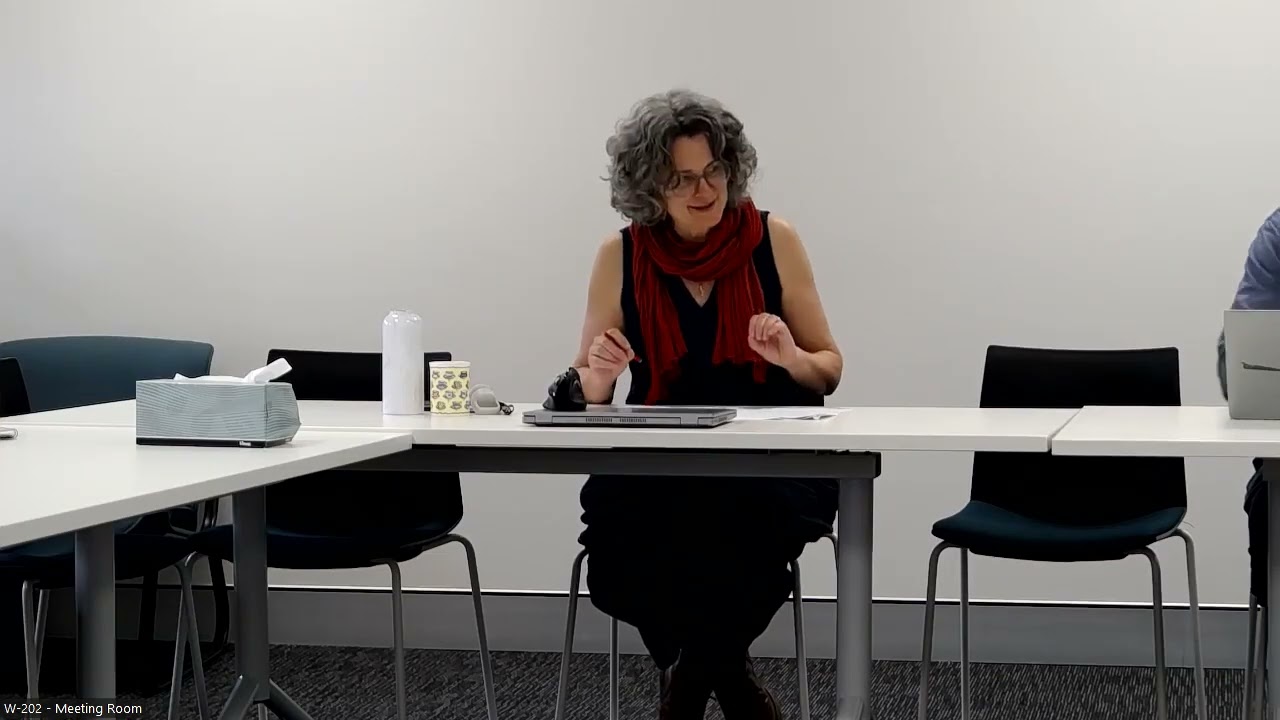
James Hunter, The Potential for Future Shipwreck Archaeology on Newcastle’s Oyster Bank & Surrounds
Автор: History@Newcastle
Загружено: 2024-10-24
Просмотров: 844
Описание:
James Hunter (Maritime Museum), 'More Surprises Await: The Potential for Future Historic Shipwreck Archaeology on Newcastle’s Oyster Bank and Surrounding Coastline.'
25 October 2024
The discovery of abundant coal deposits in 1797 at what is now Newcastle led to the establishment of New South Wales’s first major export economy. The need to transport coal from Newcastle to Sydney and points beyond, and bring convict labour and supplies to the mines, resulted in a significant increase in shipping entering and leaving the Coal River (now named Hunter River) from 1800 onwards. The entrance to the river was particularly treacherous for sailing vessels during the 19th century, as it was bordered to the north by a patchwork of shallow rocks and shifting sands known as the Oyster Bank. Immediately to the north of the Oyster Bank is the low, sandy coastline of Stockton Beach—described as perhaps the most dangerous part of the Australian coast to approach in an easterly or south-easterly gale.
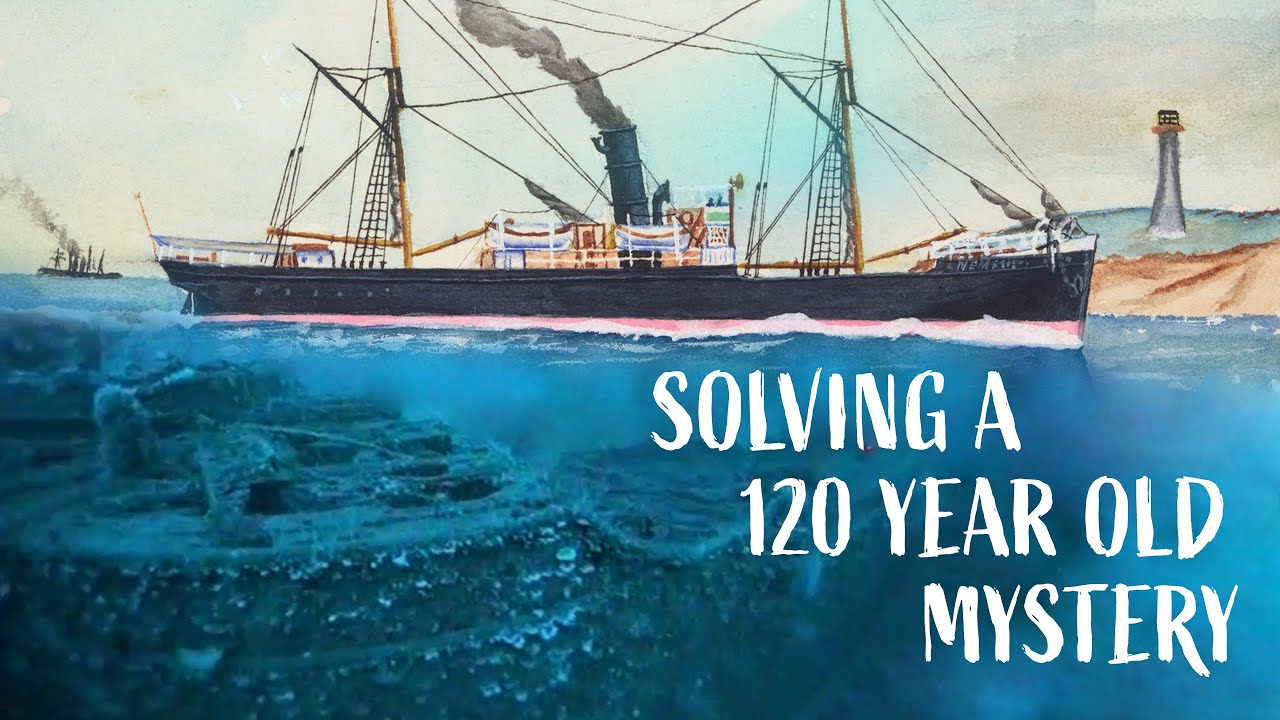
The first vessel to fall foul of the Hunter River’s entrance was the sloop Norfolk, which—after being seized by convicts on the Hawkesbury River—was wrecked and abandoned in 1800 at Pirate’s Point on the far southern end of Stockton Beach. Its loss would be followed by that of at least one vessel per decade until 1977, when the MV Polar Star was wrecked at Stockton Beach. In the span of 177 years, nearly 300 vessels were lost within Newcastle Harbour and in the vicinity of its entrance, the majority falling victim to the Oyster Bank and Stockton Beach. Despite its sheer size and diversity, surprisingly little archaeological investigation has targeted this historic shipwreck resource. This presentation will highlight specific shipwreck events and sites on the Oyster Bank and Stockton Beach to illuminate the area’s vast archaeological significance and potential.
James Hunter is the Australian National Maritime Museum’s Curator of Naval Heritage and Archaeology. He received his PhD in maritime archaeology from Flinders University in 2012, and MA in history and historical archaeology from the University of West Florida in 2001. He has been involved in the fields of historical and maritime archaeology for over two decades and participated in the investigation of several internationally significant shipwreck sites in the United States, including the American Civil War submarine H.L. Hunley and the Emanuel Point Shipwreck, a Spanish galleon wrecked in Pensacola Bay, Florida in 1559. James’ doctoral research explored the history and archaeology of torpedo boat defences utilised by the colonial and early national navies of Australia and New Zealand. He was appointed to his role at the museum in January 2015 and has participated in several of its maritime archaeology projects, including shipwreck surveys of Australia’s first submarine AE1 in Papua New Guinea, the Second World War light cruiser HMAS Perth (I) in Indonesia, and the search for, and identification of, the wreck site of James Cook’s HMB Endeavour in the United States. He recently curated an exhibition about the shipwreck site of the early-nineteenth century English immigrant vessel South Australian and has plans to undertake archaeological investigation of known and as-yet undiscovered historic shipwrecks on Newcastle’s Oyster Bank and along Stockton Beach.
For a paper connected to this research, please see: "Using Digitised Lloyd S Register Archives To Analyse And Identify Historic Shipwreck Sites In Australia" https://hec.lrfoundation.org.uk/whats...
Unless otherwise noted, seminar content © the presenter. Recording © The University of Newcastle. All rights reserved.
https://www.newcastle.edu.au/school/h...
This and other presentation recordings are available from our YouTube channel, History@Newcastle / @historynewcastle2792
Повторяем попытку...

Доступные форматы для скачивания:
Скачать видео
-
Информация по загрузке: