An Analysis of Mexican Golden Age Cinema: Julio Bracho's "Stolen Paradise" (1951)
Автор: E-Learning Corgi
Загружено: 2023-07-11
Просмотров: 265
Описание:
Here is a link to the full article, archived at Humanities Institute (http://www.humanitiesinstitute.org)
https://static-gcs.edit.site/users-fi...
EXCERPT
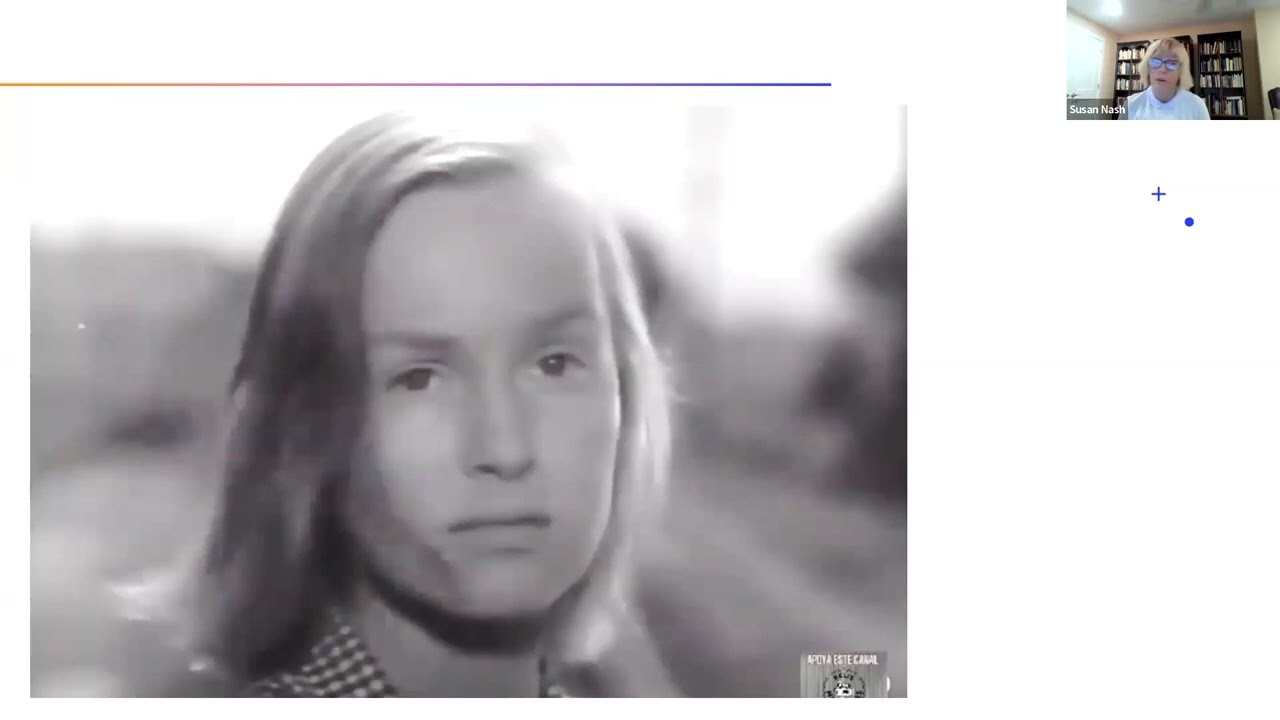
In Stolen Paradise, the woman who has a deep psychological impact on the protagonist, Marcela, is herself suffering from an extreme psychological state. She has lost her memory due to emotional trauma, and thus lives in a condition of having a “lost” self, or at least a consciousness that is partially plunged into the darkness of forgetting, of oblivion. While the script can be effective at describing this condition, Bracho worked closely with cinematography / photography Alex Phillips to create visual and auditory metaphors for the condition. To depict a condition of being that is characterized by amnesia, Bracho uses reflective surfaces in which the images are blurred, fragmented, or even deceiving. For describing the slow process of regaining one’s self, and becoming whole once again, Bracho uses the concept of the voice recording to bring a loved one back in one’s conscious awareness. The subject of the recording is important – in Stolen Paradise, it is a fragment of a poem about a secret, unnamed, unacknowledged love that, when introduced to isolated, suffering one, a unity is possible; bounteous psychological fruitfulness even within the spartan spaces of the mind suffering from amnesia.
...
What both memory triggers have in common is the idea that love can and does exist, and that one’s existential solitude and fragmentary state can be healed by means of connection, but such a connection is not one of words, but of trust, belief, and a shared reminiscence, which is to say a shared memory of longing for the ideal and to be made whole.
(susan smith nash, ph.d.)
Повторяем попытку...
Доступные форматы для скачивания:
Скачать видео
-
Информация по загрузке: