Peripheral Blood Flow Sensor
Автор: HealthDiaries
Загружено: 2023-10-18
Просмотров: 83339
Описание:
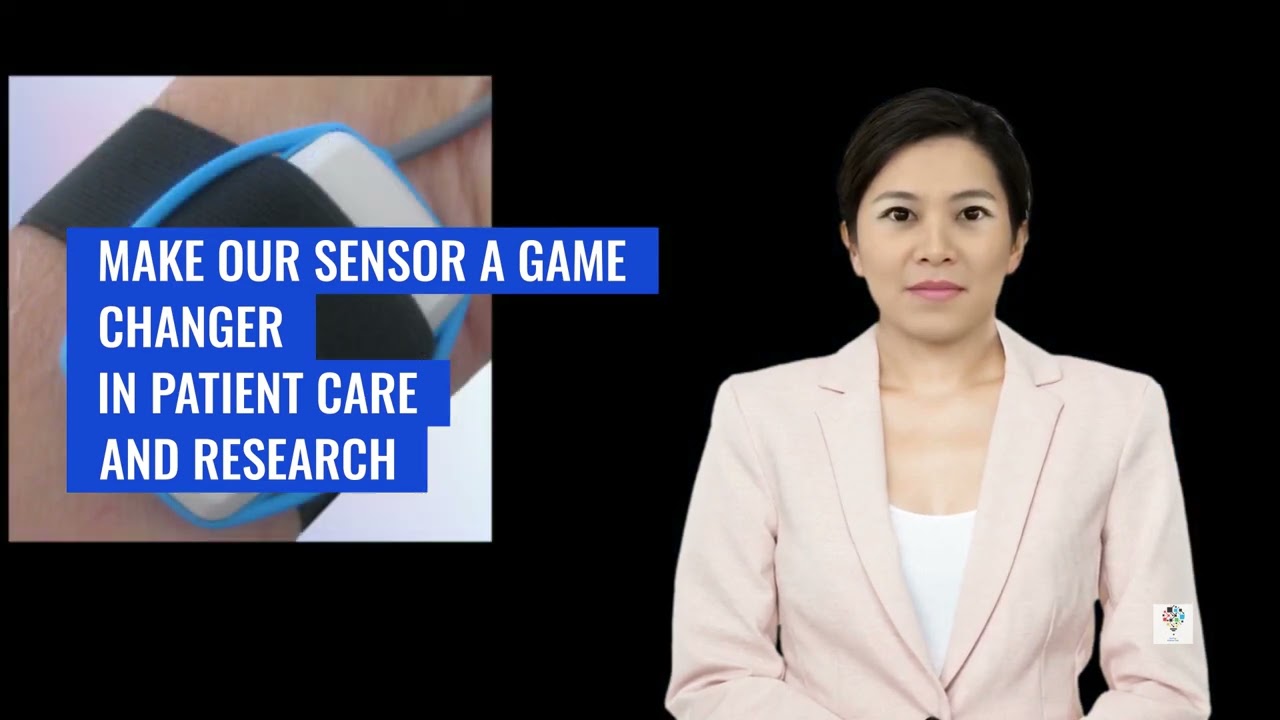
Peripheral blood flow sensors with built-in temperature sensors have a range of applications in healthcare, research, and other fields. This sensor provides valuable data about blood circulation and temperature, which can be used for various purposes. Here are some applications of peripherals blood flow sensor with integrated temperature sensors:
See https://www.ApsTron.com
Sensor is at:
https://www.apstron.com/business-unit...
1. Vascular Health Monitoring**: These sensors can be used to monitor blood flow in peripheral limbs (such as fingers and toes). They are useful for assessing vascular health, detecting circulation problems (e.g., peripheral artery disease), and evaluating the effectiveness of vascular treatments.
2. Wound Care**: In wound care management, monitoring blood flow and temperature around a wound is crucial for assessing healing progress. These sensors can help healthcare professionals make informed decisions about wound treatment and assess tissue viability.
3. Diagnostics**: Blood flow and temperature data can aid in the diagnosis of various medical conditions. For example, they can assist in diagnosing Raynaud's disease, a condition characterized by abnormal blood flow to the extremities.
4. Sports and Exercise Physiology**: Athletes and coaches can use these sensors to monitor blood flow and temperature during exercise. This information can help optimize training regimens, prevent overheating or hypothermia, and assess muscle recovery.
5. Research**: Researchers can use these sensors to study peripheral blood flow and temperature in various contexts, including cardiovascular research, thermoregulation studies, and the development of new medical devices and treatments.
6. Neurology**: In neurology, these sensors can be used to monitor blood flow in the extremities of patients with neurological conditions like neuropathy or cerebral palsy. Changes in blood flow and temperature can provide insights into nerve function and circulation.
7. Rehabilitation**: Patients undergoing physical therapy or rehabilitation after surgeries or injuries can benefit from these sensors. Monitoring blood flow and temperature can help therapists design personalized rehabilitation programs and track progress.
8. Cold Exposure Studies**: Researchers studying cold exposure and cold adaptation can use these sensors to monitor how blood flow and temperature change in response to cold environments or cold therapies.
9. Dermal Research**: Dermatologists and researchers can use these sensors to study skin health, monitor the effects of skincare products, and assess the impact of environmental factors on skin circulation and temperature.
10. Telehealth**: Remote monitoring of peripheral blood flow and temperature can be integrated into telehealth platforms, allowing healthcare providers to remotely assess patients with circulatory or temperature-related concerns.
11. Environmental Monitoring**: Beyond healthcare, these sensors can be used in environmental monitoring applications, such as tracking water temperature and flow in natural ecosystems or industrial processes.
12. Consumer Wearables: Wearable devices with integrated blood flow and temperature sensors can provide individuals with valuable health and wellness insights, helping them make informed lifestyle choices.
The integration of blood flow and temperature sensors into peripheral monitoring devices has the potential to improve healthcare diagnostics and treatment, enhance sports performance, and enable research in various scientific disciplines. These sensors play a crucial role in understanding and managing circulatory and temperature-related conditions.
Повторяем попытку...
Доступные форматы для скачивания:
Скачать видео
-
Информация по загрузке: