Demographic crisis - the impact of an aging society
Автор: The Wild Finance
Загружено: 2022-08-29
Просмотров: 331
Описание:
Demographics are the most influential factor for an economy. The real growth of GDP and the dynamics of inflation versus deflation are all closely tied with the demographics. In this video, let’s have a look at the impact on them.
To fuel GDP growth, you need to have more consumption, you can create consumption by either encouraging each person to consume more or by adding more population. There is a limit on how much a single person can consume. For example, we went from a common two meals a day a hundred years ago to now promote 5 meals a day. The question is, how many more meals can we squeeze in a day? There is a limit to that, and people also start to wonder is it really good for you to eat so often or is it just good for the GDP, right? But with a growing population, the aggregate consumption can in theory grow infinite.
Consumption is just one side of the equation, to meet the growing consumption, you need to match with growing production too. This means we also need the prime working age population to grow at a similar pace to maintain the balance. The structure of the population, like the age and gender, will define the long term outlook of an economy.
The population of prime-age which is between (25-54) boosts the economy through the highest rate of income and consumption. They buy homes, vehicles, and durable goods. They also keep up-sizing, like switching from a small condo to a villa, and changing to new cars. This helps to boost the overall consumption. And because they are the primary work force, they also boost production and employment.
Conversely, an economy feels a drag when people over 65 comprise a larger share of the total population, particularly as modern economies are structured through government pension payments in retirement years. This means the majority of people stop producing after retirement, but they are still consuming. Although their consumption for goods reduces, their need for healthcare increases. The impact is net short of production in an aging society. This puts a lot of pressure on the working cohort. We hear a lot of developed countries planning to extend their retirement age further to try to cope with the shortage of labor. Japan is a famous example of an aging demographic, most developed countries also run into such problems as the life span increases while the birth rate is low.
For the past couple of decades, developed countries have been able to manage this situation through immigration and outsourcing production to other countries like China and India.
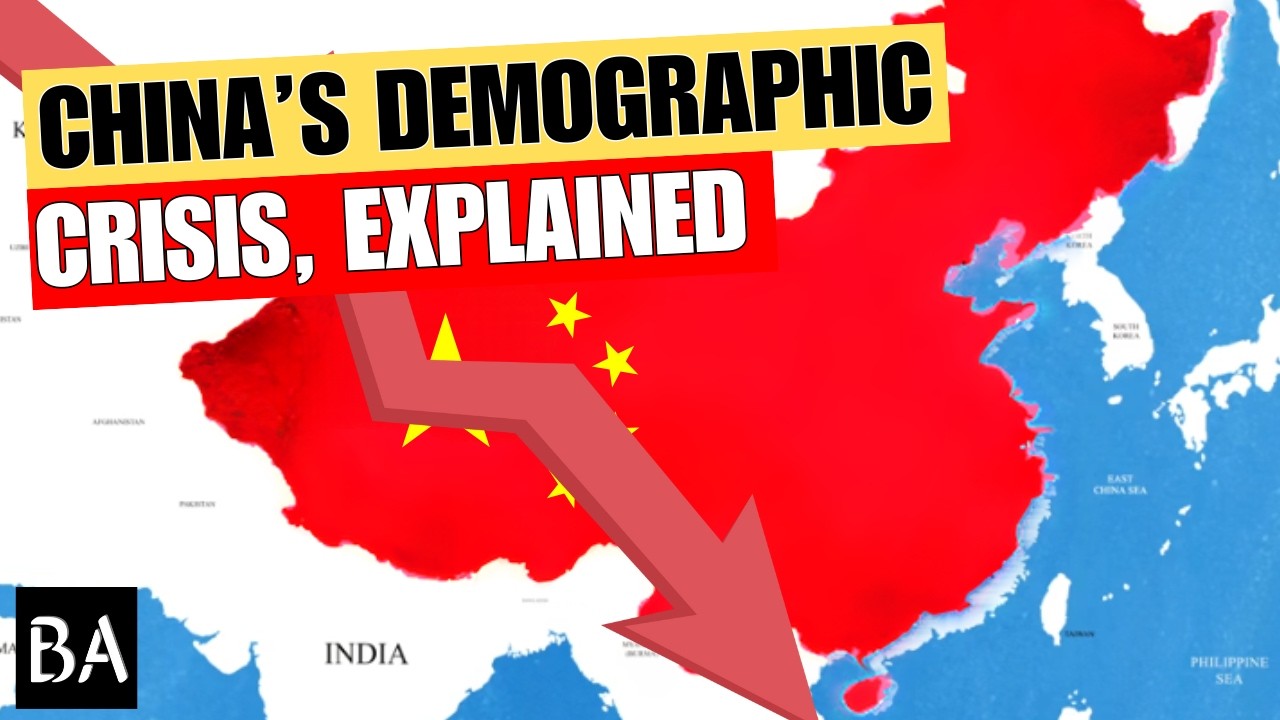
But now China is facing the aging demographic shift for the first time since the one child policy. And the western countries are facing growing problems with immigration. The next 10-15 years will bring a significant demographic drag, not only in Japan, but also in Europe, the United Kingdom, China, and the United States.
The shortage of labor has led to a surge in wages and contributed to the broadening of inflation. Wages are growing in all segments of the labor market. This contributes to cost push price increases because wages are a large expense for many businesses. Higher wages in turn also imply that consumers can afford higher prices, potentially unleashing a wage price spiral that further fuels inflation.
A declining supply of labor would impact the optimal policy response to combat high inflation or boost economic growth. Here is what I mean, to combat high inflation, the standard playbook is to raise interest rates to reduce aggregate demand which in turn will have a negative impact on employment. But when you have a shortage of labor, reduced demand will cancel out some of the need for labor and ease the labor shortage situation while employment rate is still high. The impact is much less because most likely everyone is still fully employed. This gives the Fed more room to be aggressive on rate hikes. Remember the dual mandate of the Fed: Price stability and employment. If employment keeps looking good, then the priority is price stability.
A declining supply of labor would also weaken the link between recession and unemployment rate. Because recessions could arise simply from increasing retirements leading to less production. The standard playbook of cutting rates in recession would not make sense either, as the economy would remain in full employment. In fact, rates would have to be structurally higher to counter the inflationary impact of a steadily shrinking labor supply in an aging demographic society.
Повторяем попытку...

Доступные форматы для скачивания:
Скачать видео
-
Информация по загрузке: