They Called Ramming Suicide, He Tore a Hole in His Ship and Still Made It Home
Автор: Frontline Histories
Загружено: 2026-01-16
Просмотров: 68
Описание:
In February 1943, in the frozen darkness of the North Atlantic, a U.S. Coast Guard commander made a decision his own manual called suicide.
He ordered his ship to ram a German U‑boat at full speed.
What followed should have sunk both vessels.
Instead, it became one of the most extraordinary survival stories of the Battle of the Atlantic.
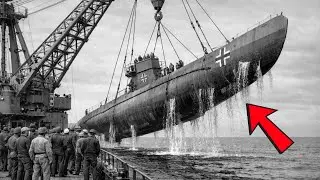
This documentary tells the true story of Commander James A. Hirshfield and the USCGC Campbell, a Treasury‑class cutter that smashed into U‑606, tore a 15‑foot hole in her own hull, and then refused to die. Flooding below the waterline, battered by winter storms, and surrounded by enemy submarines, the Campbell limped across 800 miles of open ocean for 11 days—kept alive by seamanship, discipline, and sheer will.
Using after‑action reports, survivor testimony, interrogation records, and convoy battle analysis, this video reconstructs:
Why ramming was considered obsolete and reckless
How the collision nearly destroyed the Campbell
The gun crew that finished the U‑boat at point‑blank range
The damage‑control fight that kept the ship afloat
Why this single decision changed how convoy warfare was fought
This was not recklessness.
It was calculated aggression in a war that demanded it.
By the time the Campbell reached port, every man aboard had survived—and the German submarine that threatened the convoy was gone. The manuals would eventually change. The ocean already had.
This is the story of the night doctrine failed—and courage didn’t.
Повторяем попытку...

Доступные форматы для скачивания:
Скачать видео
-
Информация по загрузке: