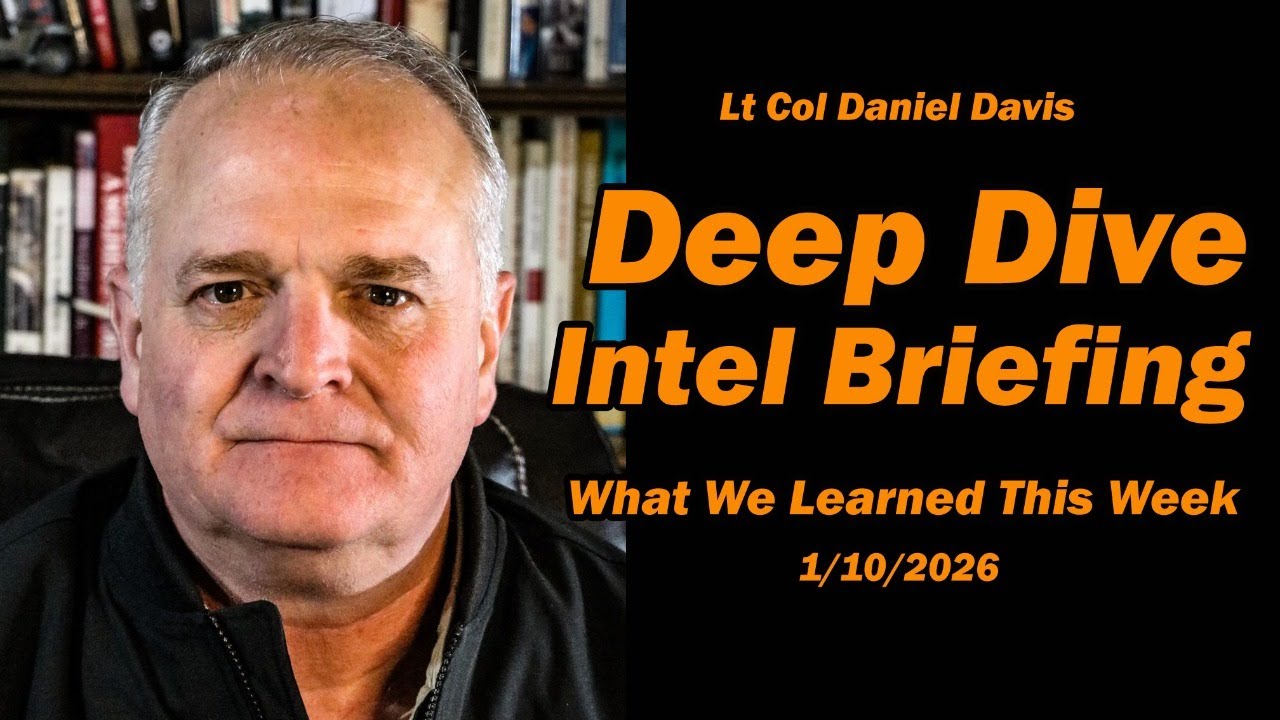
Deep Dive Intel Briefing: What We Learned This Week /Lt Col Daniel Davis
Автор: Daniel Davis / Deep Dive
Загружено: 2026-01-11
Просмотров: 25279
Описание:
** NEW MERCH ** Jackets & Sweatshirts, Thermo Mugs!!
Daniel Davis Deep Dive Merch: Etsy store
https://www.etsy.com/shop/DanielDavis...
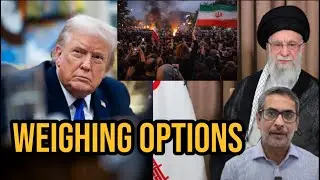
Danny argues that President Trump has repeatedly shifted his justification for confronting Iran—first claiming he destroyed its nuclear program, then threatening renewed military action over a new nuclear deal, and now warning Iran over its handling of internal protests. This inconsistency raises the question of whether U.S. policy is about national security, protecting Israel, or supporting the Iranian people. The speaker warns that using protests and human rights abuses as triggers for military intervention sets a dangerous precedent and risks dragging the U.S. into yet another regime-change conflict that could badly backfire.
Despite reports Trump has shared suggesting Iran’s supreme leader may be preparing to flee, the speaker doubts this, noting the regime’s ideological history of defiance. Recent speeches by the Ayatollah instead frame Trump as an arrogant tyrant destined to fall, reinforcing the likelihood that the regime will resist rather than collapse. The speaker fears Trump may respond militarily to such defiance, as he has in past confrontations, even though intervention would likely worsen the situation rather than help protesters.
The discussion then shifts to Europe and Ukraine, arguing that a high-profile Paris meeting of NATO-aligned leaders produced little beyond political theater, since any ceasefire or settlement requires Russian agreement—which Russia is refusing. The speaker highlights Russia’s demonstration of advanced missile capabilities that can strike anywhere in Ukraine and across much of Europe, underscoring that proposed deployments of European troops in western Ukraine would still be vulnerable and that Western air defenses cannot stop these weapons.
Finally, the speaker ties these issues together by warning against the recurring U.S. belief that regime change will lead to better outcomes. Citing Libya, Iraq, and Afghanistan, they argue that removing governments without a viable plan for what comes next typically leads to chaos, violence, and long-term instability—suggesting that similar expectations for Iran or Venezuela are unrealistic and dangerous.
Повторяем попытку...
Доступные форматы для скачивания:
Скачать видео
-
Информация по загрузке: